Things That Were Completely Normal in 2000 but Feel Strange Today
Printed directions, shared phone lines, and trips to the video store: these everyday habits capture how Americans lived in 2000.
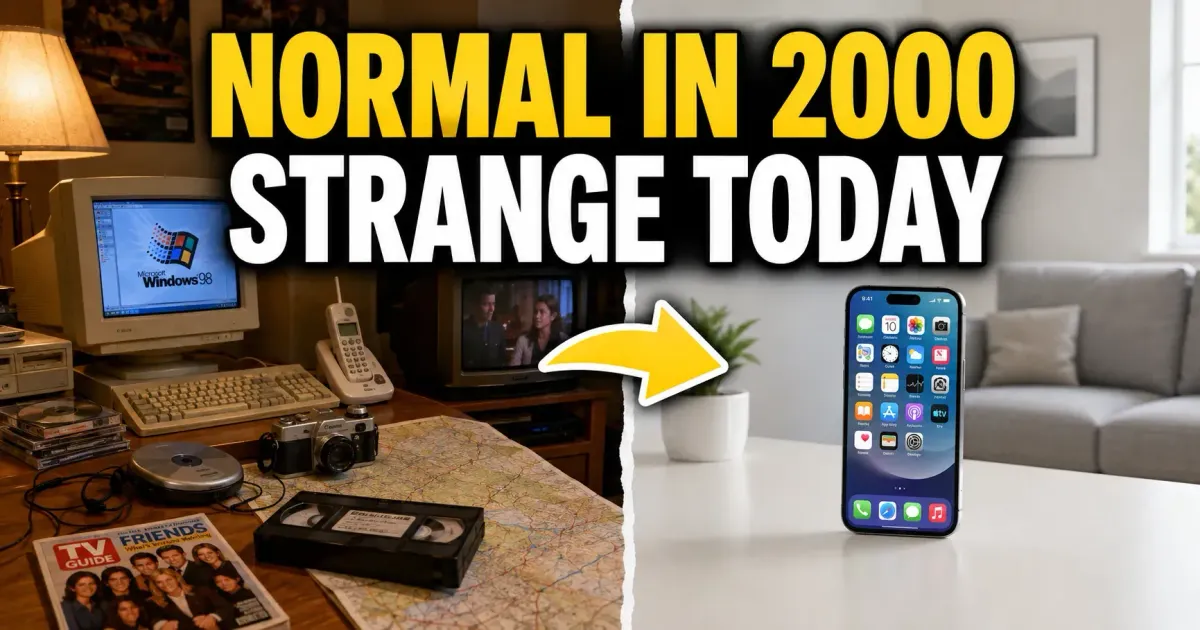
In 2000, having a computer at home still put you only slightly ahead of half the country. Census figures show that 51 percent of American households owned one, while 41.5 percent had home internet access. Depending on which house you walked into, the new millennium could look impressively modern or much like the decade before it.
That unevenness is what makes the year interesting to revisit. You could buy something online, then leave the computer to make a phone call because both activities used the same line. A cell phone might come along on a trip, while the directions still traveled on paper. New equipment arrived faster than old routines disappeared.
Looking back at everyday life in 2000, the familiar objects are only half the story. The awkward conversations, small gambles, and arrangements people made around them are often what linger.
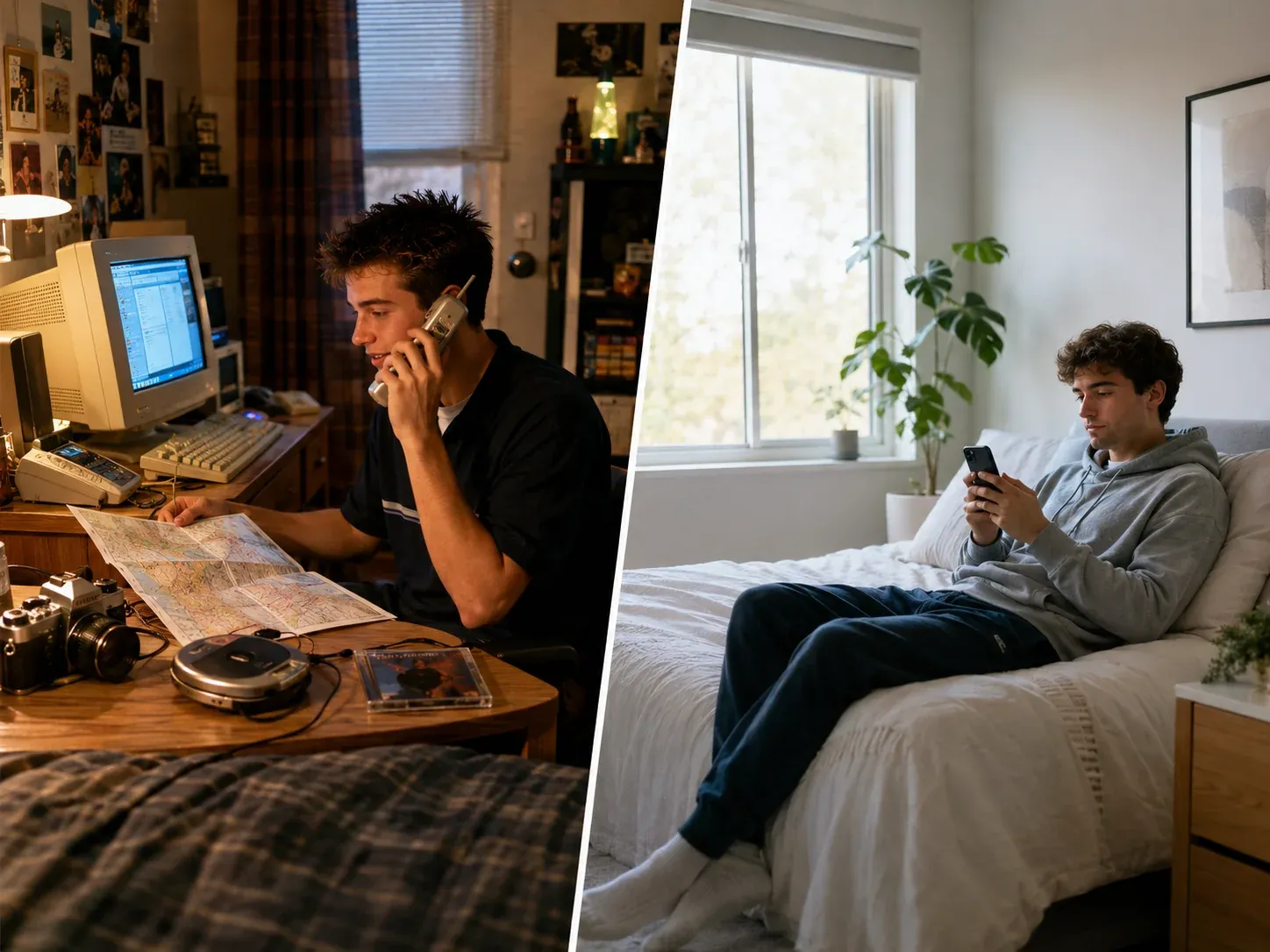
These 20 habits were ordinary parts of American life around the turn of the millennium. Some were already changing; others lasted well into the next decade.
1. Calling Someone's House and Asking for Them
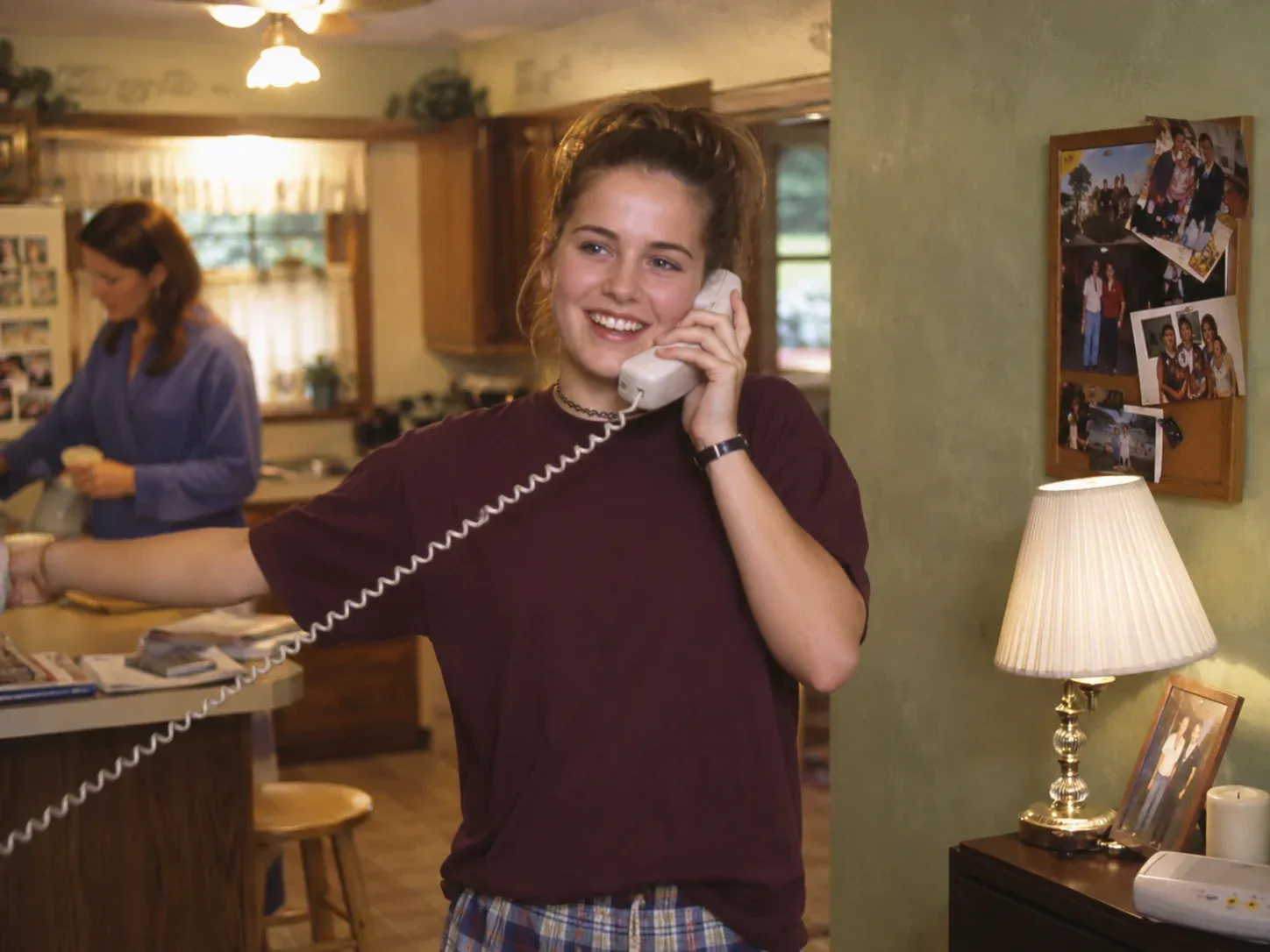
Calling a friend could involve a brief conversation with someone you had no intention of calling. A parent wanted to know who was speaking; a younger sibling shouted the name through the house without putting down the receiver. If you were calling someone you liked, rehearsing what to say to their mother was part of the preparation.
The household phone made these little introductions unavoidable. You learned voices, knew who preferred a more polite greeting, and sometimes found yourself making small talk while your friend was fetched. A private conversation began with a surprisingly public entrance.
2. Leaving the House Without Being Reachable
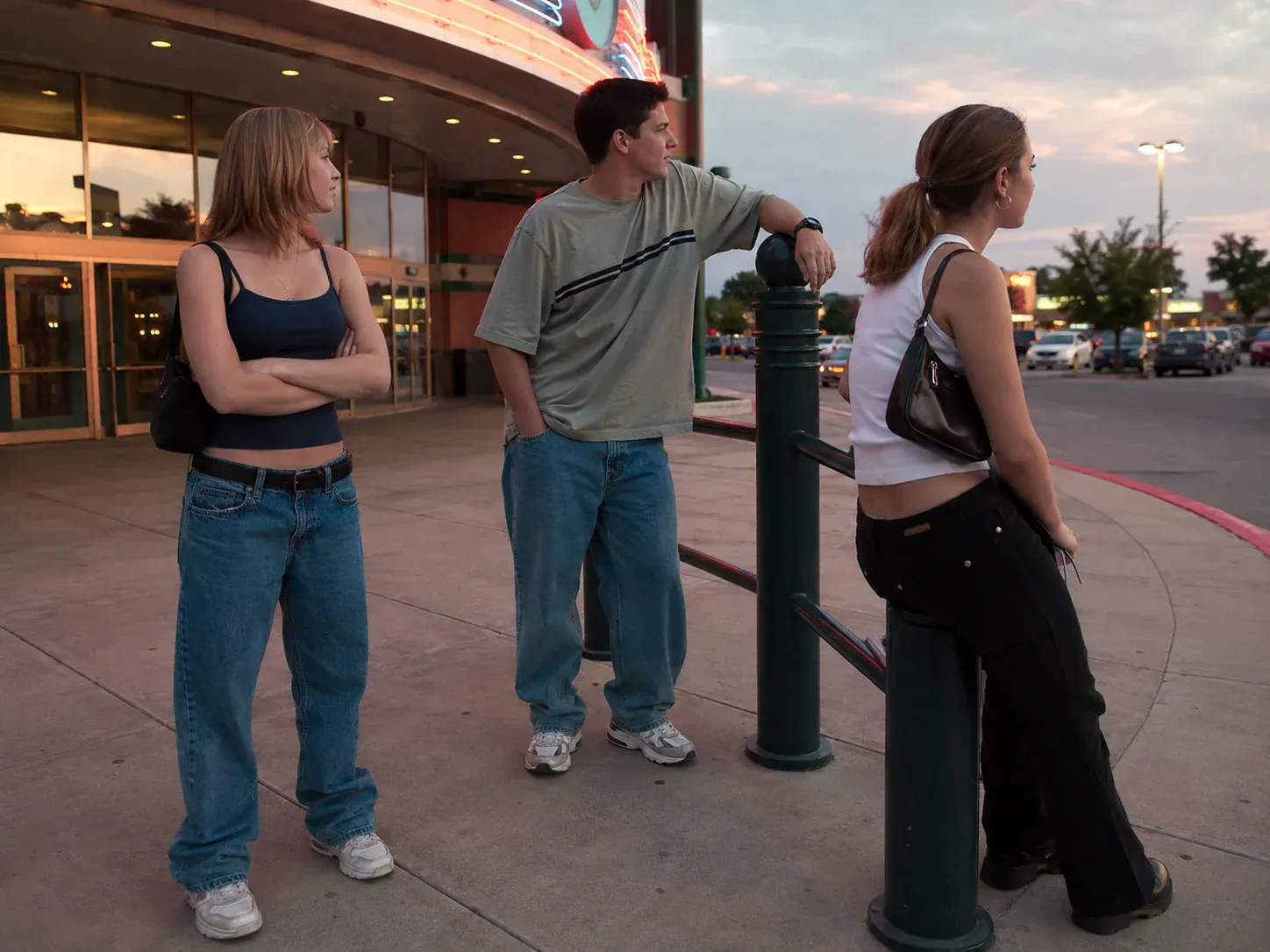
Without a cell phone, leaving the house meant stepping out of contact until you reached another phone. Someone calling home might get the answering machine and leave a message you wouldn't hear for hours. Running an extra errand rarely required an announcement.
That could be restful, but it wasn't always convenient. A changed plan or a broken-down car was harder to sort out. The cell phones before the iPhone were already reducing those problems in 2000, although being able to reach someone immediately still depended on who owned one, whether it was switched on, and where they were.
3. Printing Directions From MapQuest
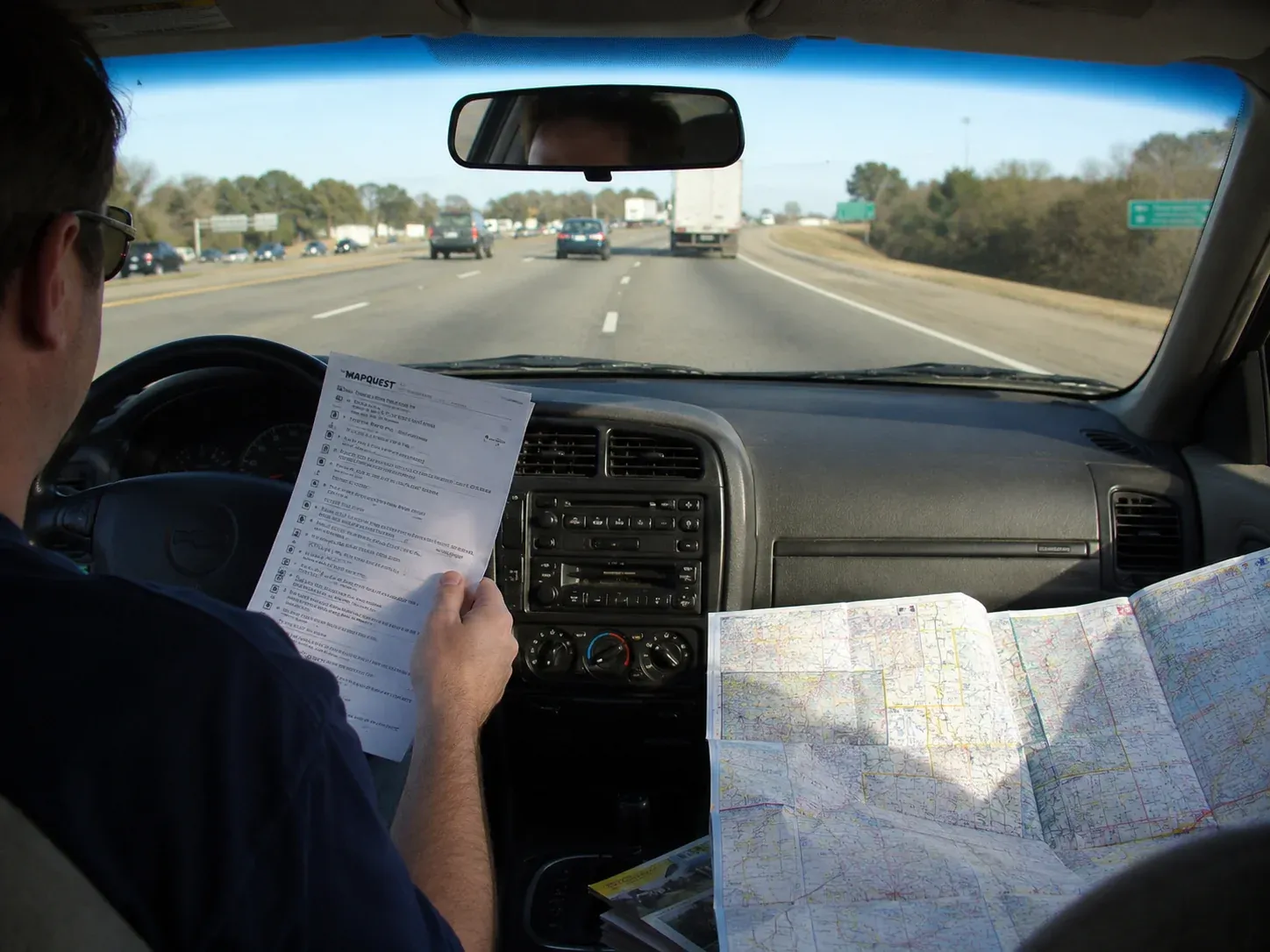
MapQuest gave the passenger a job. Someone had to keep track of the printed instructions, find the next turn, and announce it early enough for the driver to do something useful with the information.
Printing directions before leaving felt like preparation. The trouble came when the road stopped matching the page. A missed exit could turn the next several instructions into an increasingly unhelpful description of somewhere you were supposed to be.
There was a particular kind of car argument built into this arrangement: the driver wanted to know where to go, while the passenger was still trying to establish where they had gone wrong.
4. Carrying Cash Everywhere
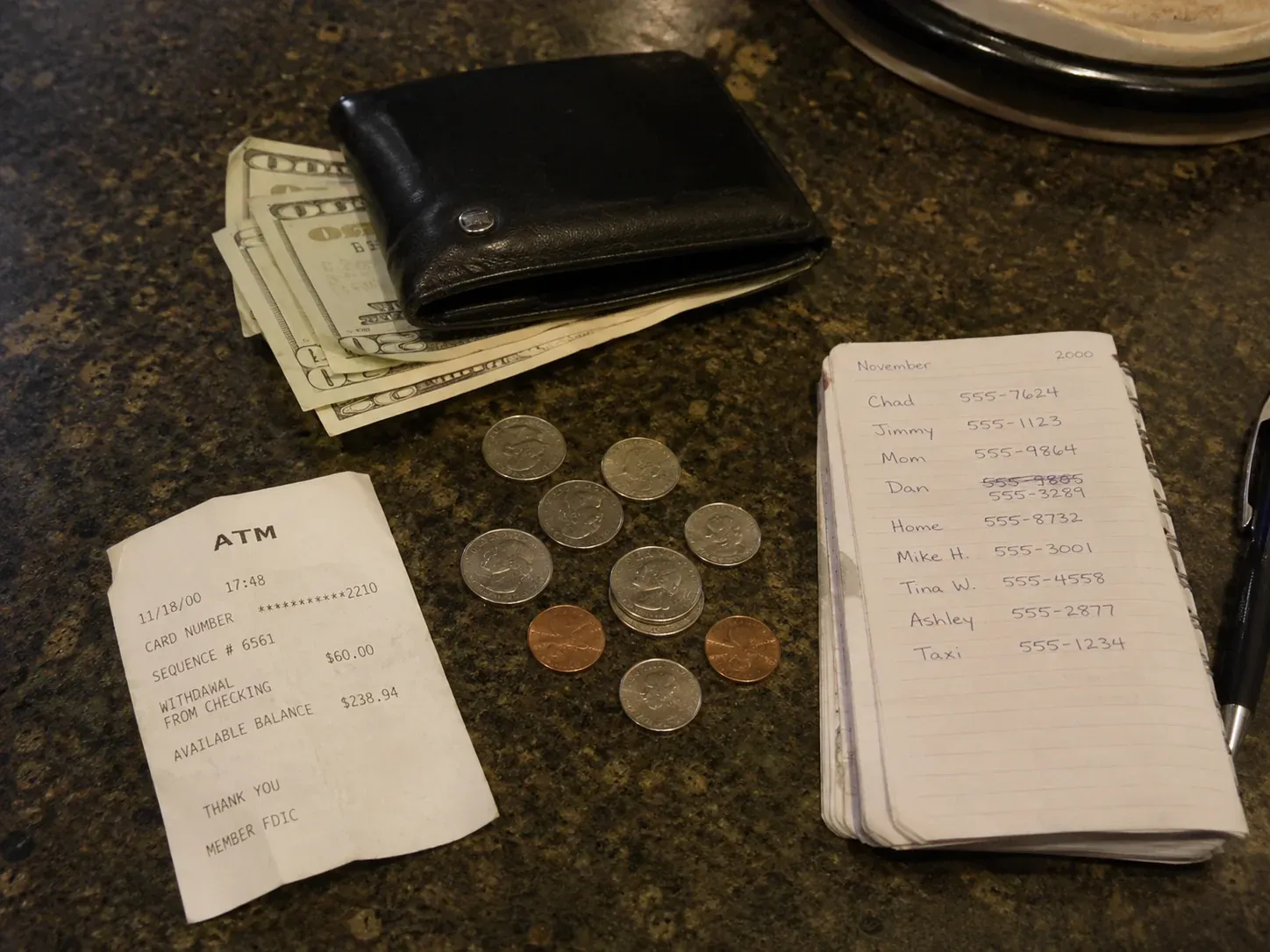
An evening out could begin at the ATM, even if you had a credit card. You wanted enough cash for the places that didn't take it, plus coins for a parking meter or a vending machine. Discovering that you had only a large bill could be almost as troublesome as having no money at all.
Cards and checks were familiar parts of shopping in 2000; cash simply covered enough of the gaps that an empty wallet still felt like poor preparation. Those gaps varied from town to town and business to business, which was another reason to carry some.
5. Memorizing Phone Numbers
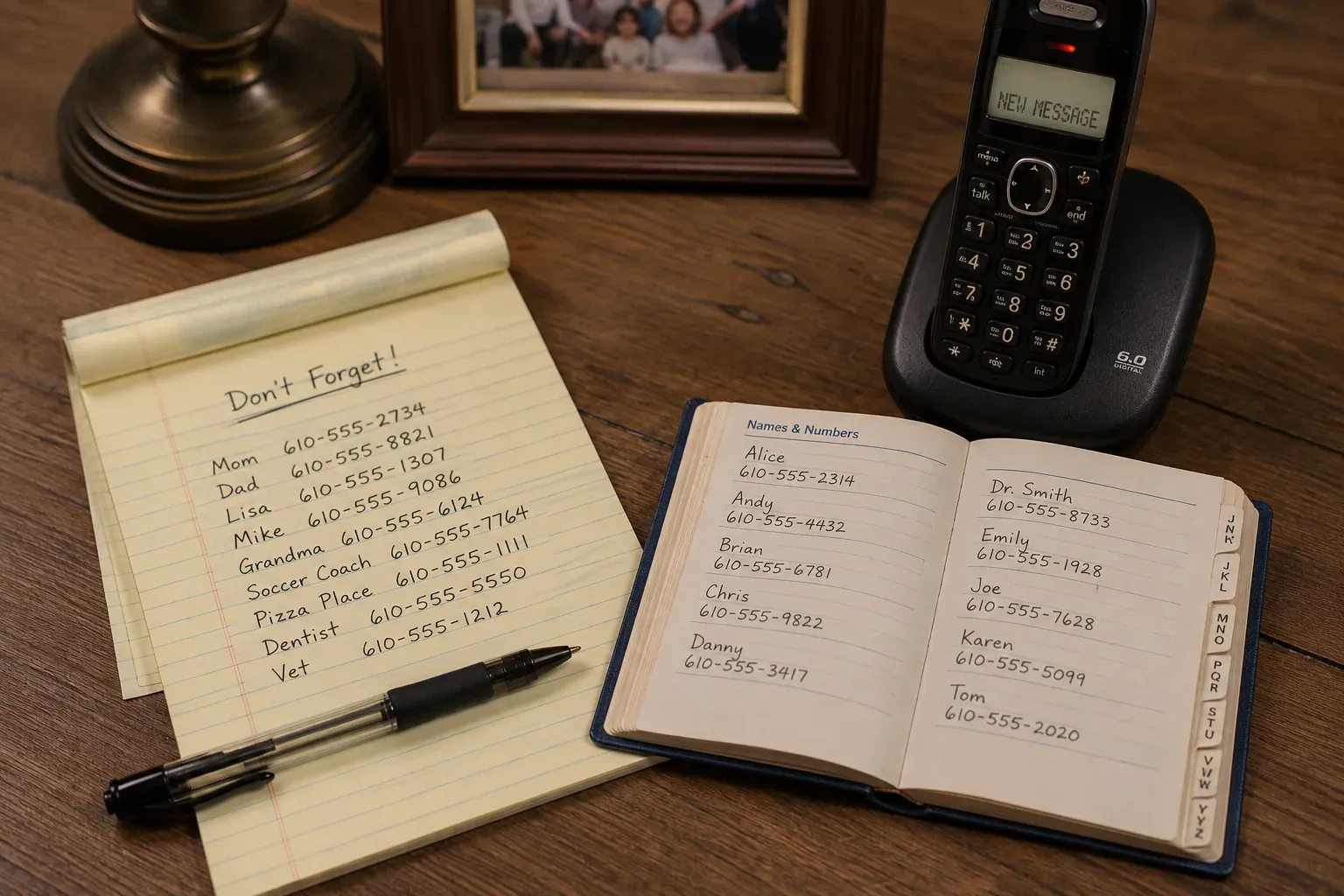
A frequently dialed phone number could become as familiar as a friend's name. Your fingers sometimes knew the sequence before you consciously recalled it. Less-used numbers lived in an address book, on a scrap of paper, or beside the kitchen phone.
Knowing a number also made it portable. You could call from a friend's house or a payphone without needing your own device. The complication arrived when someone moved: the person was still familiar, but the sequence you had been dialing for years suddenly reached a stranger.
6. Waiting Until You Got Home to Check Your Email
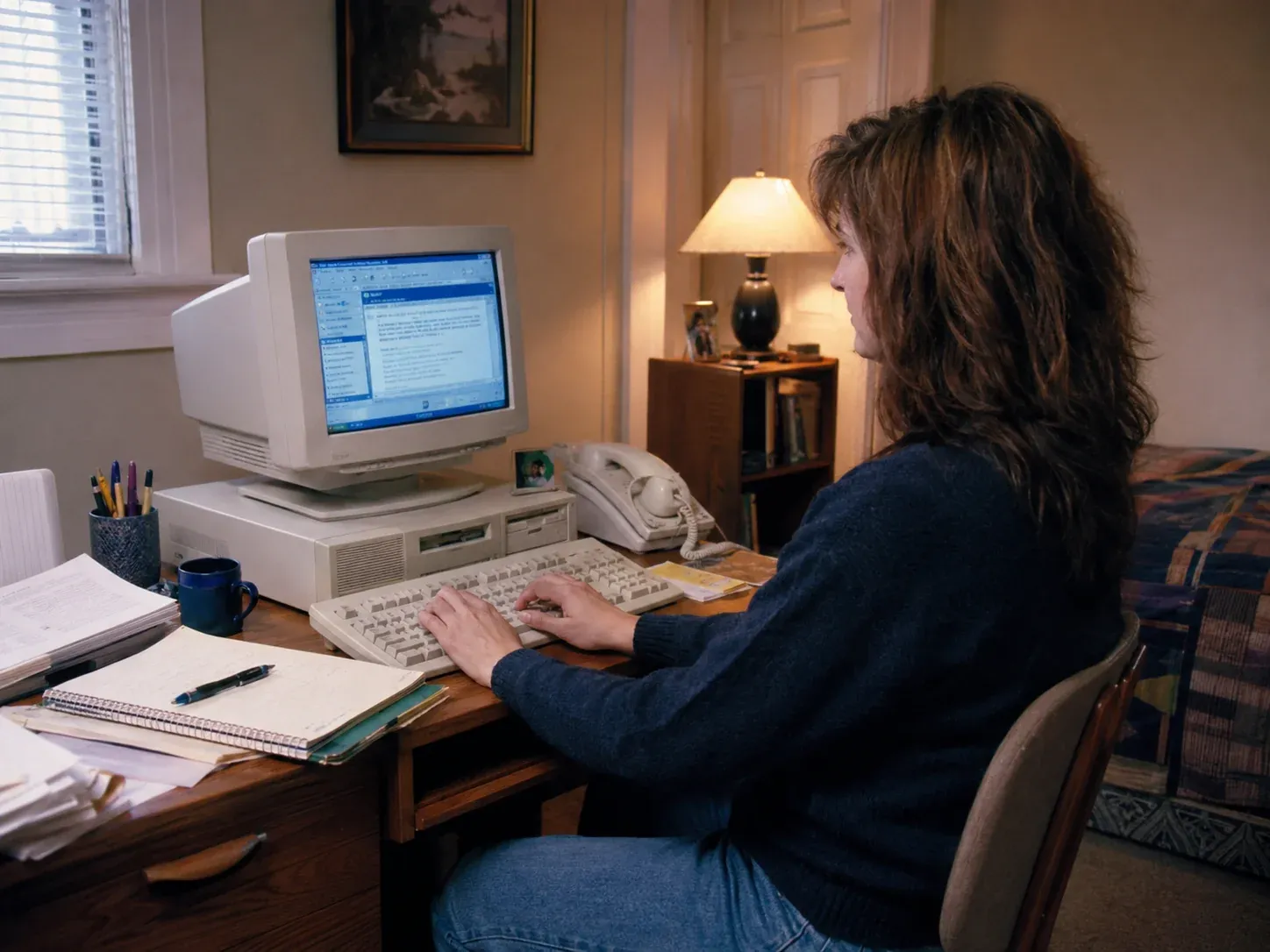
For many people, checking email was something you sat down to do. You opened the inbox at home, at work, or in a computer lab, answered what needed answering, and went elsewhere. A message sent during dinner might wait until the next time you logged on.
Mobile email wasn't science fiction: early BlackBerry devices had already reached the market. But that experience was different from the ordinary household routine. If your email lived on the family computer, reading it could mean waiting until someone else had finished using the machine.
7. Using the Internet and the Phone Line One at a Time
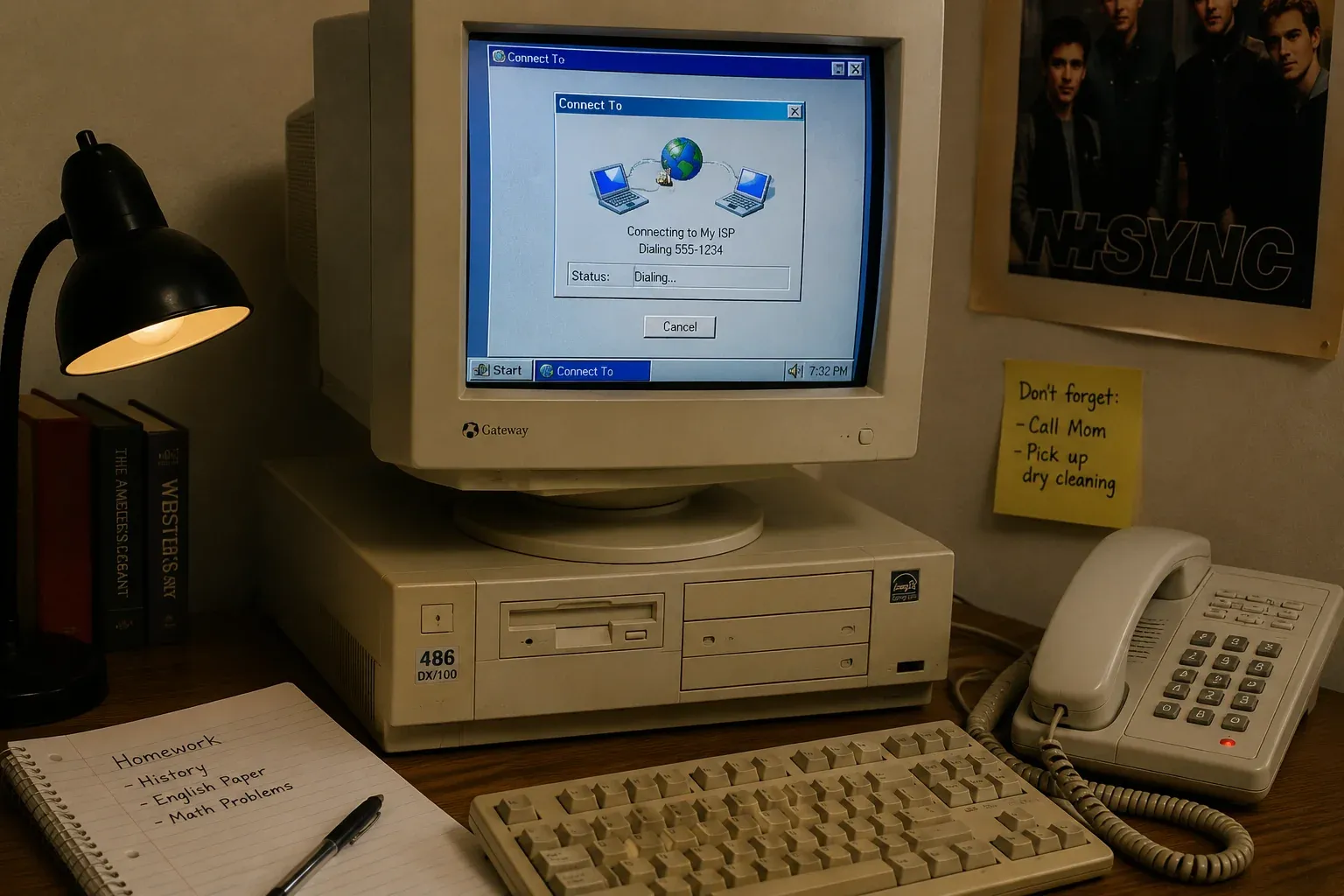
The sound of a dial-up modem meant someone was about to occupy a resource the rest of the house might need. On a single shared line, going online could leave incoming callers listening to a busy signal. Picking up an extension could interfere with the connection, so using the phone sometimes required checking with the person at the computer first.
Families worked around it: a second line, agreed times online, or an argument from another room. The internet was supposed to make communication easier, yet accessing it could temporarily make the house harder to call.
8. Buying an Entire Album Because You Liked One Song
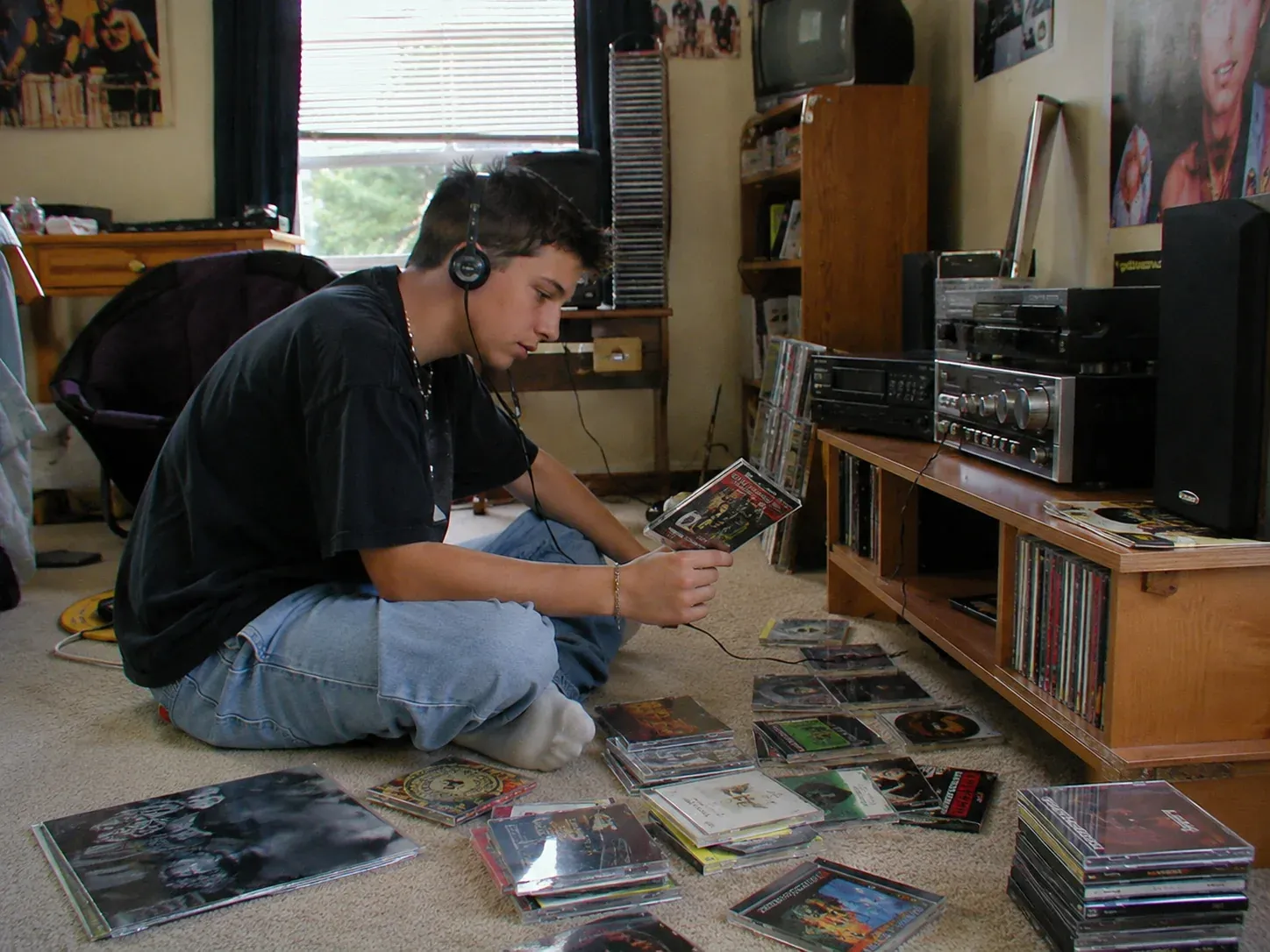
One good single could persuade you to take a chance on an artist's entire album. Sometimes the remaining tracks justified the purchase. Sometimes they mostly justified keeping a finger near the skip button.
But 2000 was also the year this arrangement was coming under pressure. Napster had launched the previous summer, and downloading songs was already becoming a substantial part of internet culture. Pew's research found that nearly a quarter of adult internet users had downloaded music by July 2000.
Those experiences overlapped. Someone could spend the afternoon downloading songs and still want the album, with its artwork, credits, and a permanent place in the CD rack. The longer history of how music formats changed has similar periods when old and new listening habits coexisted.
9. Waiting for Your Favorite Song on the Radio
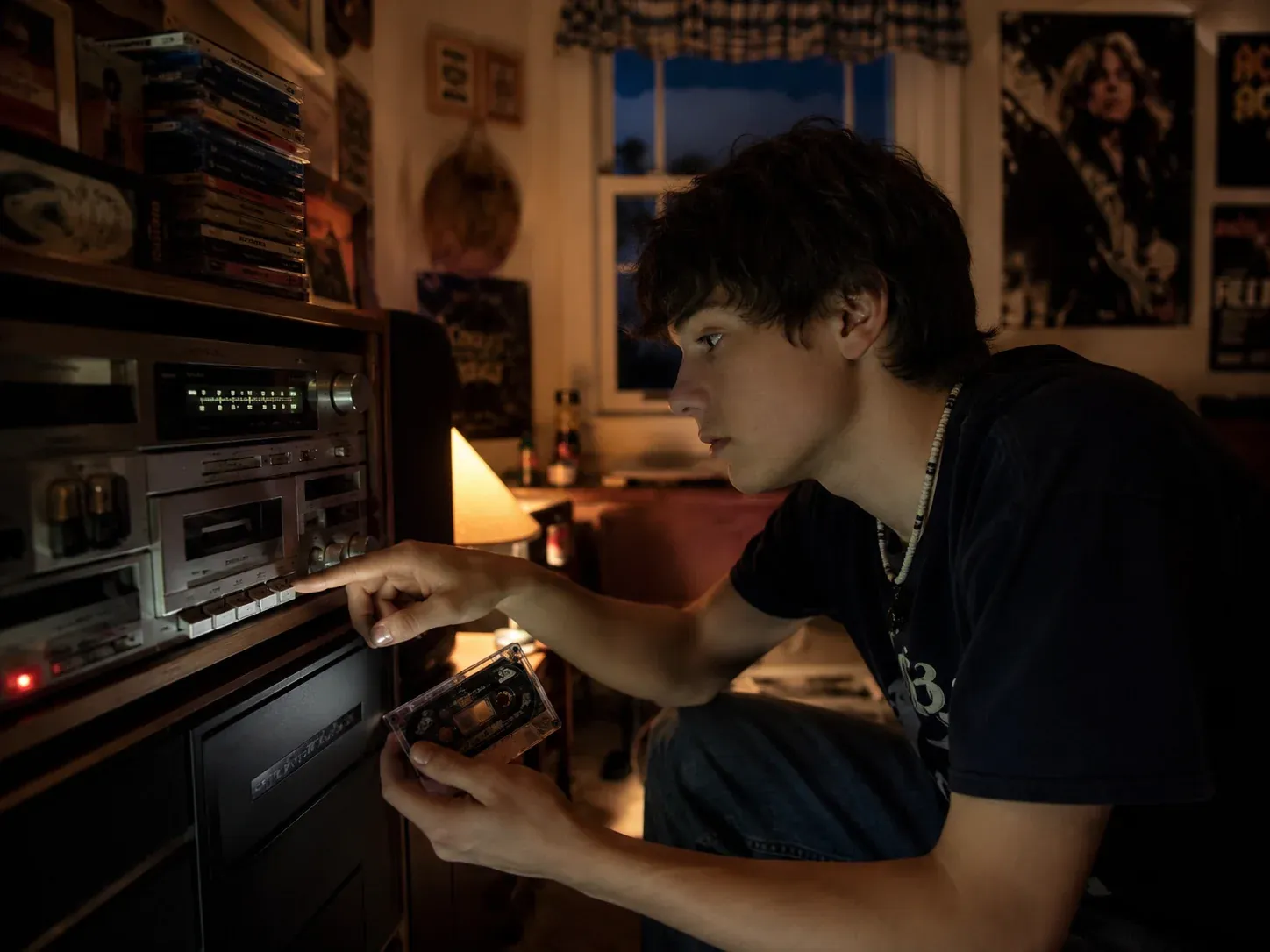
If you didn't own a song, the radio could turn listening into a waiting game. You stayed with the station through tracks you didn't particularly like because the one you wanted might be next. Calling to request it gave you something to do, without giving you much control over when it appeared.
Recording it added another challenge. A cassette deck had to be ready, and the DJ had to leave the introduction alone. A homemade tape might preserve the opening notes of a favorite song along with a cheerful reminder of the station's call letters. Even as MP3s offered an alternative, that imperfect recording could remain the version you knew best.
10. Taking Photos Without Knowing Whether They Were Good
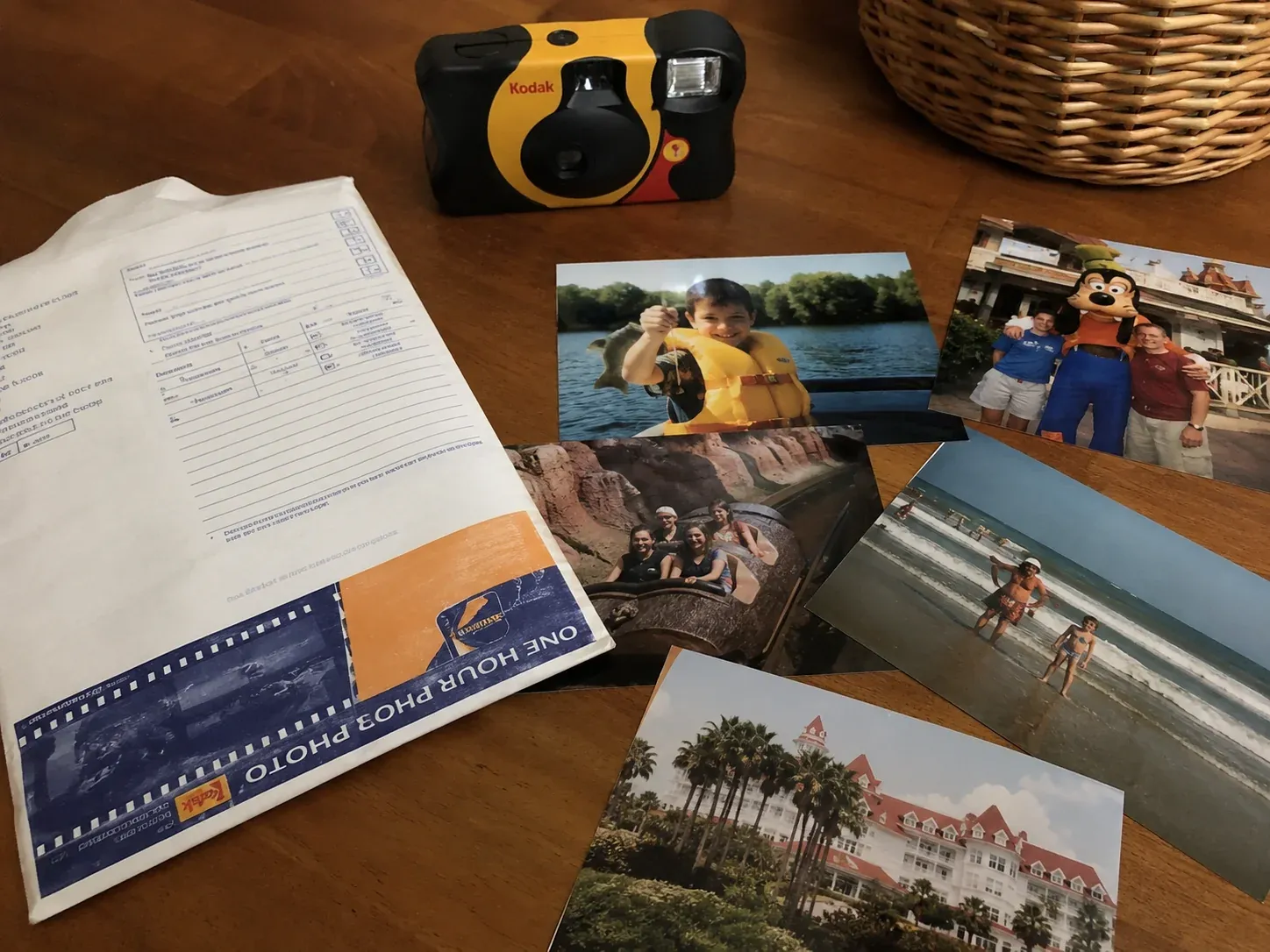
The envelope from the photo counter held the results of decisions you'd made days or weeks earlier. You spread the prints out and discovered which vacation pictures had worked, who had blinked, and whether the shot you especially wanted was usable.
A roll of film also imposed a small budget on the moment itself. With 24 or 36 exposures, taking another picture meant using one of the remaining frames. You might save a few for the last day of a trip and then struggle to finish the roll at home.
Digital cameras were already offering a different experience. For anyone still using film, though, taking the photograph and seeing the photograph remained separate occasions.
11. Renting Movies From a Video Store
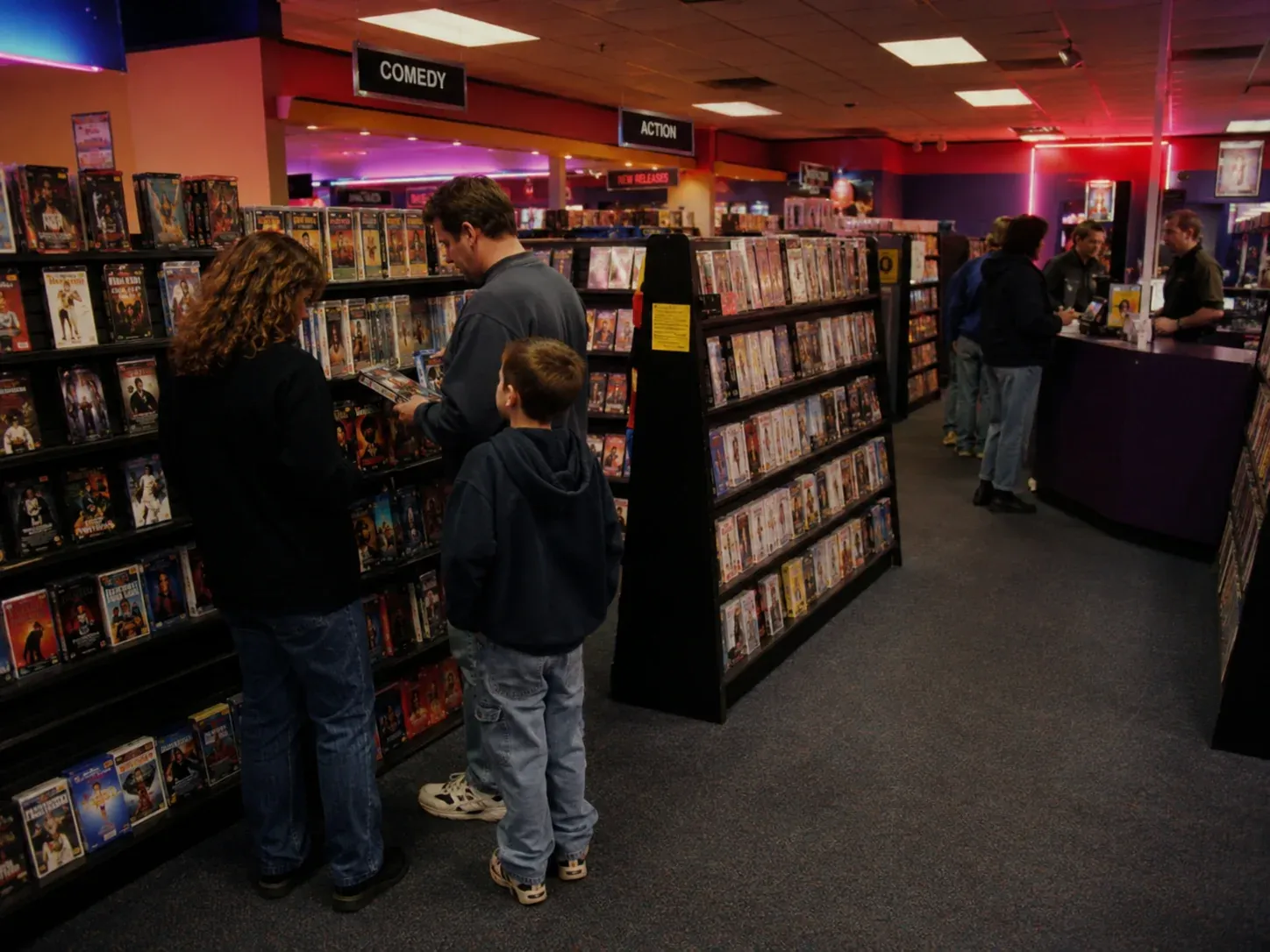
A wall of boxes could suggest plenty of choice until you noticed that the movie you wanted had no rental copy left behind it. Then came the negotiation: another new release, something older, or a film one person had already seen and insisted everyone else would like.
The trip to the video store was part of Friday night. You read descriptions, considered recommendations, and carried home a decision you were unlikely to reverse halfway through the opening scene. Once you had made the trip, a merely decent movie had a fair chance of being watched to the end.
12. Watching Television When the Network Said It Was On
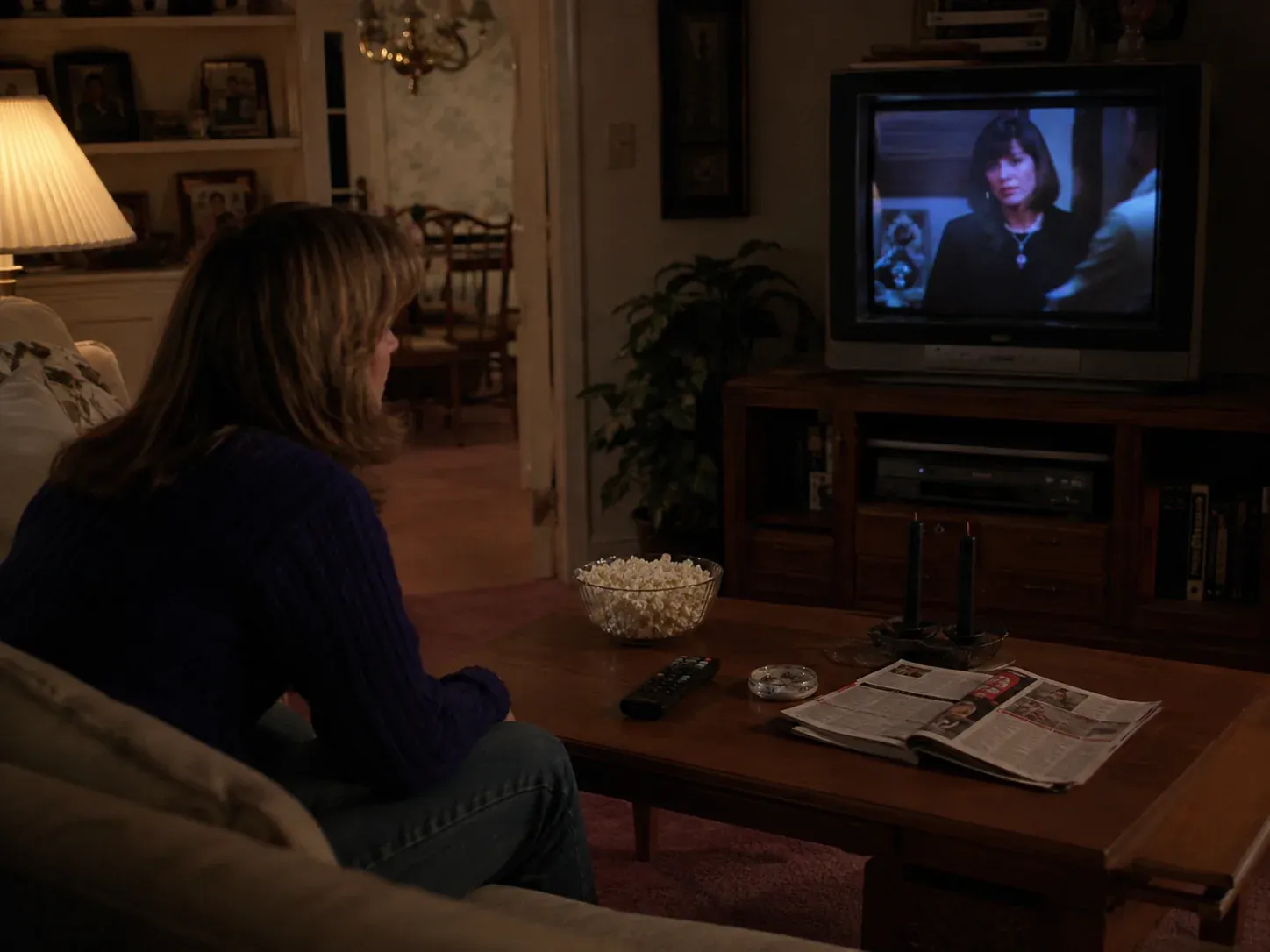
A favorite show's airtime could shape the evening. You finished what you were doing, claimed the television, or asked someone to record it. Missing an episode might leave you dependent on a friend's explanation of what happened.
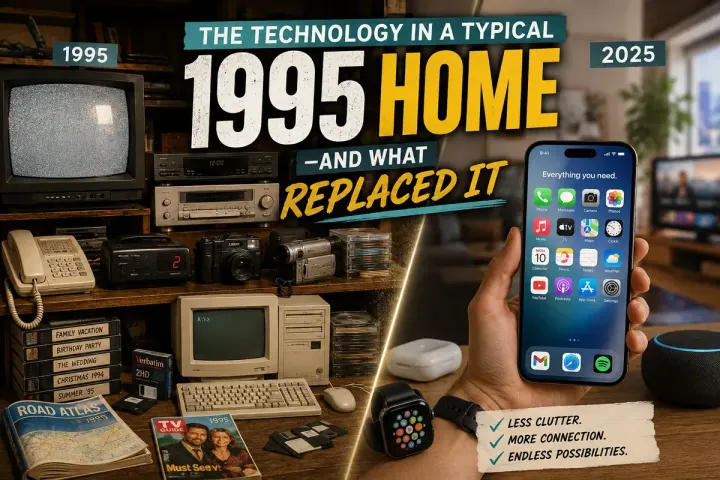
The VCR offered an escape, provided the setup was right. You needed a suitable tape, enough recording time, and the correct channel and schedule. After all that, there was still the possibility that someone would change a setting or record over it later. Getting home to find that the program had recorded properly was a small success in its own right.
13. Reading the TV Guide to Find Out What Was On
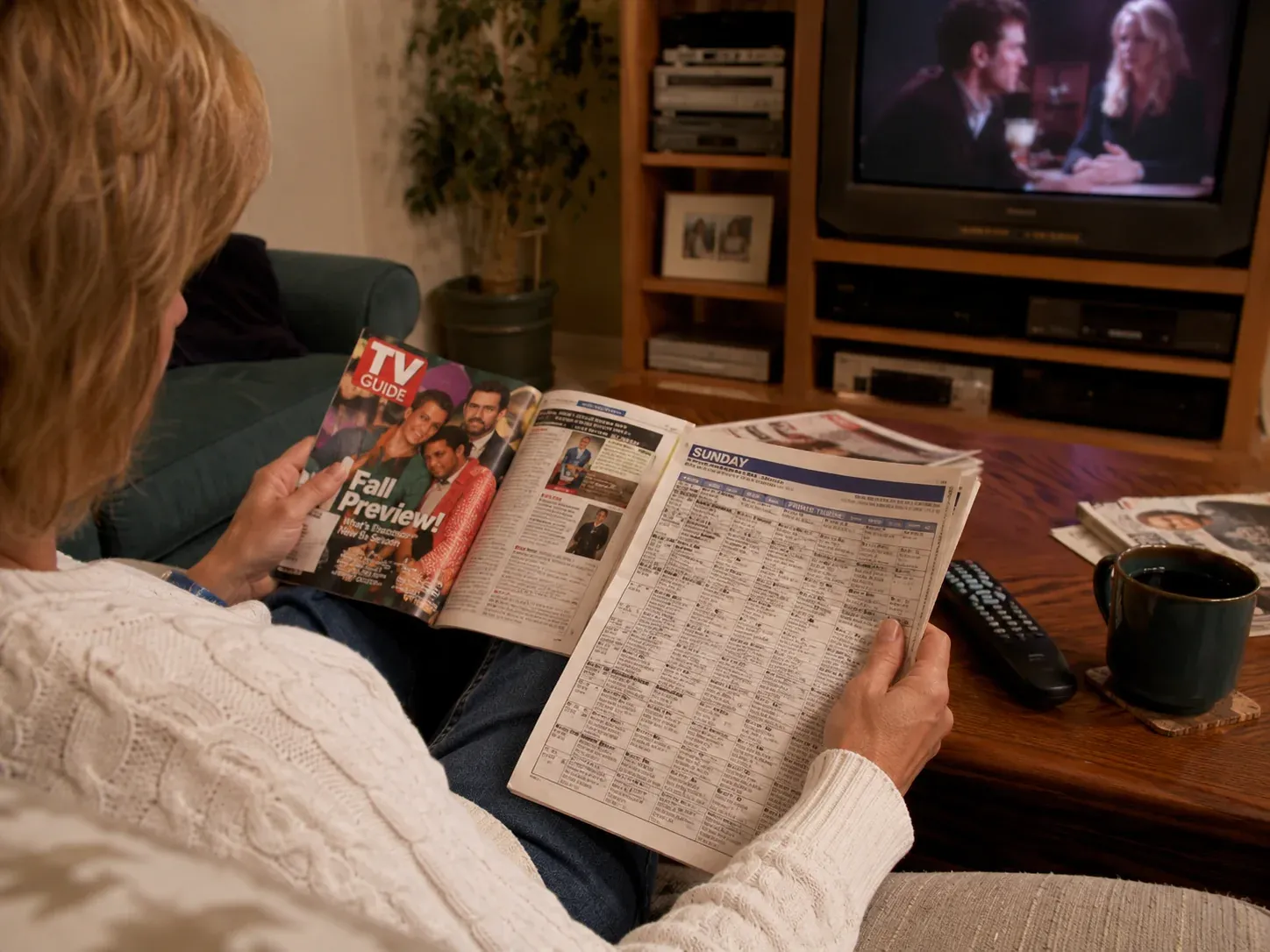
When nobody had a particular show in mind, the listings supplied the possibilities. You ran a finger down the newspaper grid, flipped through TV Guide, or watched the cable listings scroll past. Finding a promising movie halfway through could mean joining it in progress.
This was a different task from keeping up with a favorite series. You were looking for something worth watching in the time available. Sometimes the answer was a film you knew well enough to enter at any scene; sometimes you left the television off.
14. Going Somewhere Without Reading Reviews First
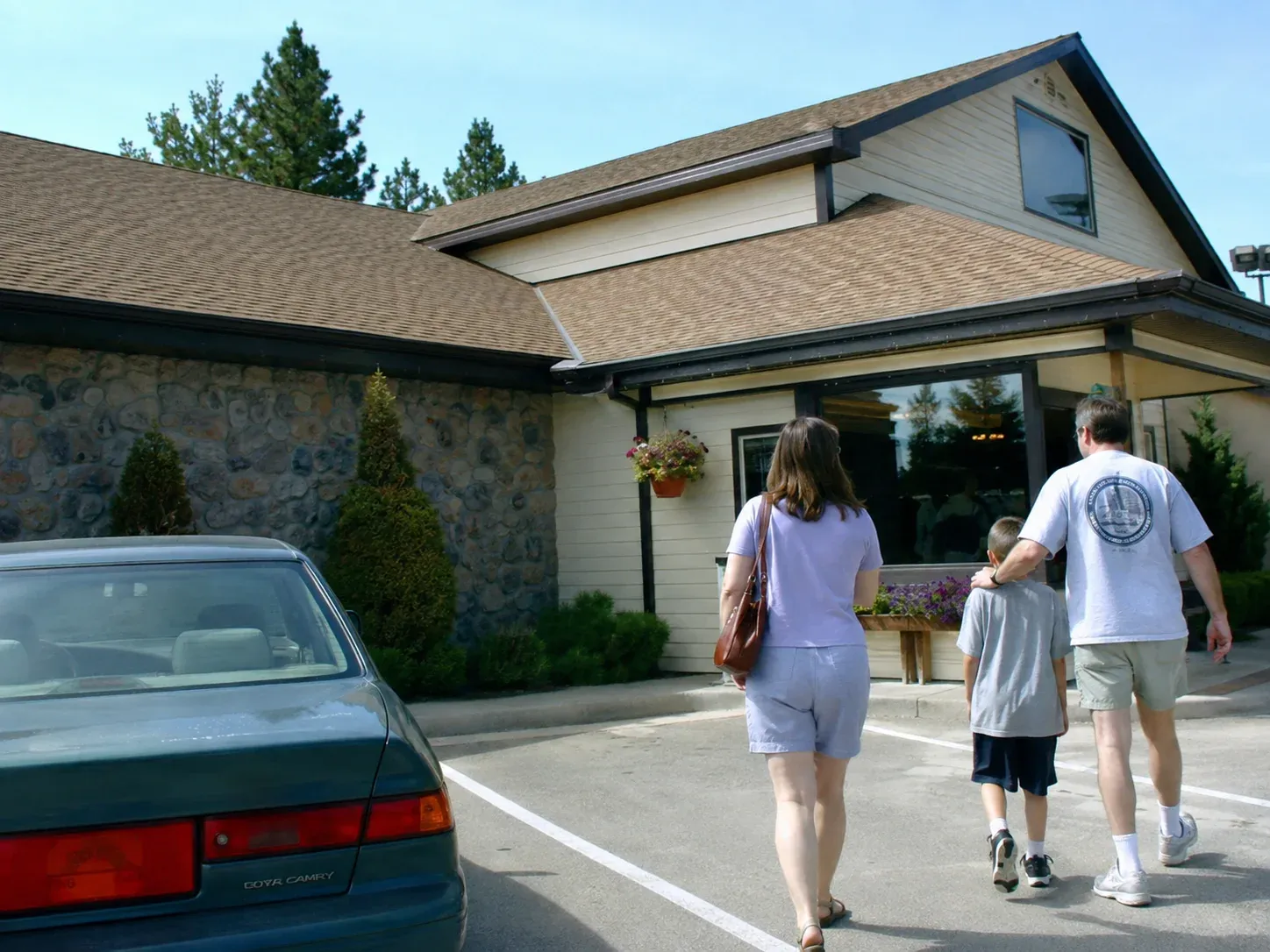
A restaurant could win your business because it smelled good when you walked past. A motel could have a vacancy sign, a reasonable price, and a room the clerk was willing to show you. Advice came from friends, guidebooks, newspaper critics, and whoever seemed to know the area.
Online reviews existed, but they weren't something every customer could consult from the sidewalk. Often you made the choice with incomplete information and found out afterward whether it was a good one. That could lead to a memorable discovery or a meal you warned your friends about for years.
15. Meeting Someone at a Specific Place and Time
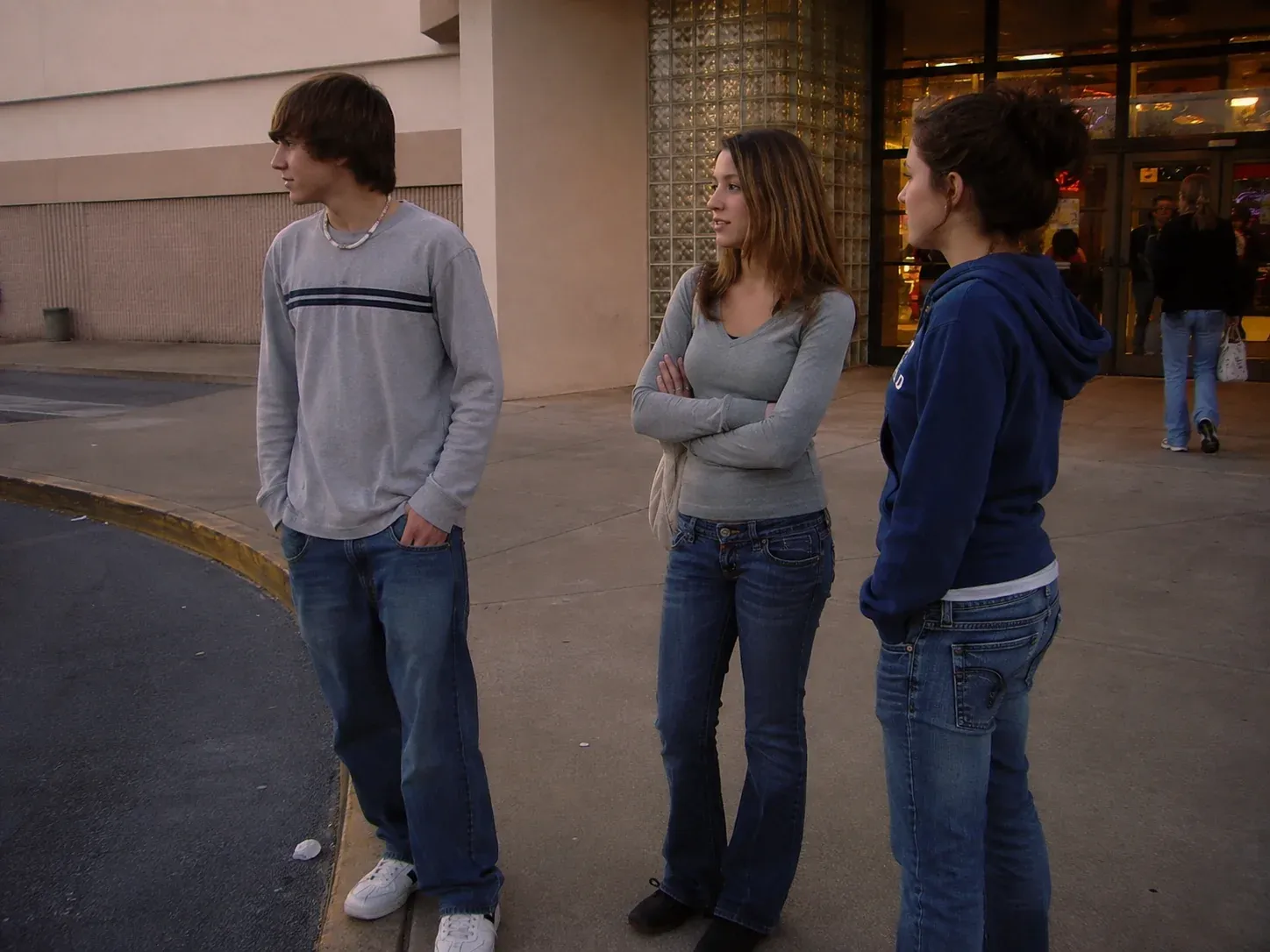
“Outside the movie theater at seven” needed to contain most of the useful information. Which theater, which entrance, and whether you were buying tickets first were questions best settled before everyone left home.
If a friend was late and you had no way to reach them, you had to interpret the delay. Were they parking, at the wrong entrance, or still at home? You could walk around to look, but then they might arrive where you had been standing. The plan worked best when everyone resisted the urge to improvise.
16. Carrying Multiple Electronics Everywhere
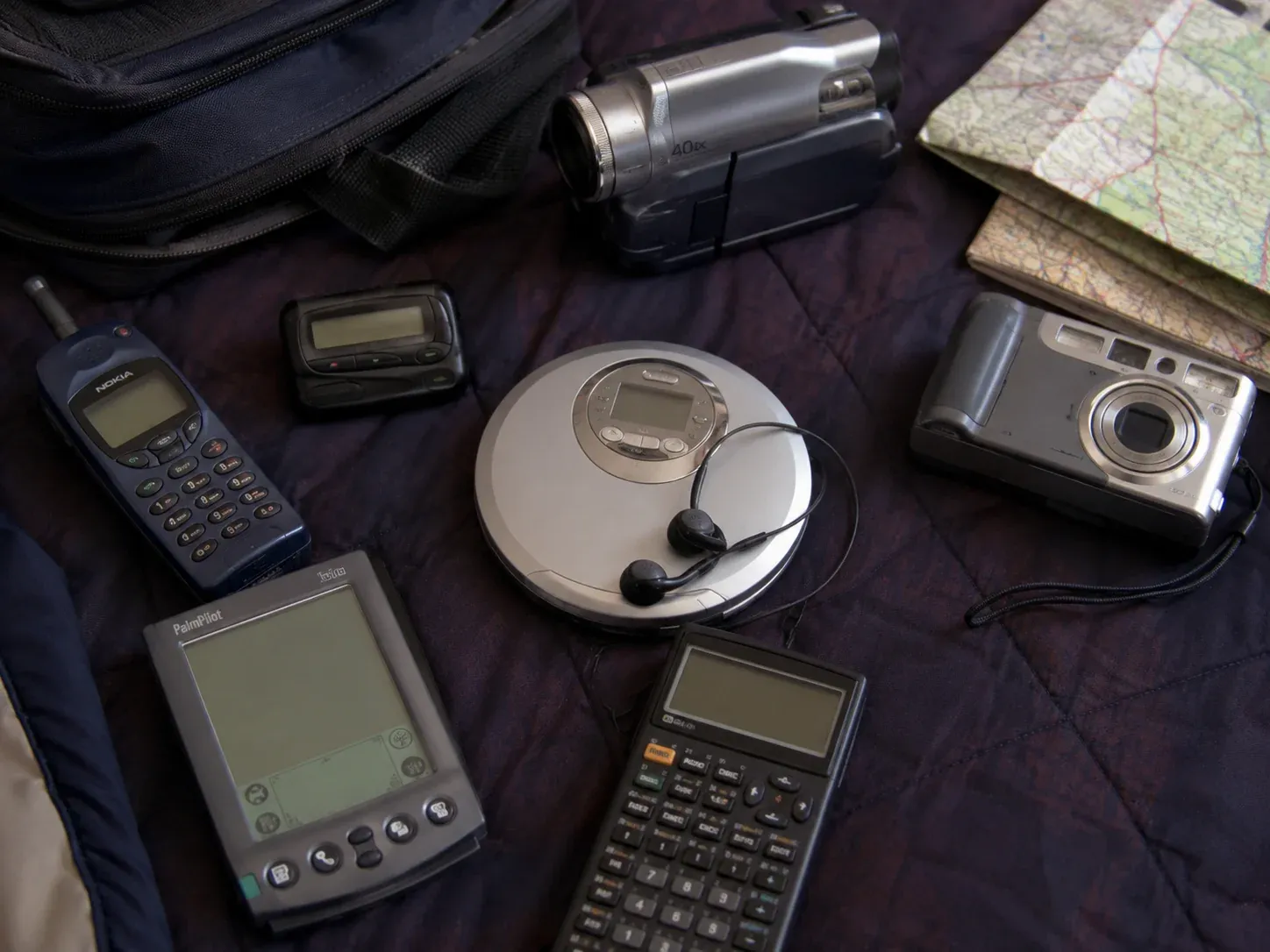
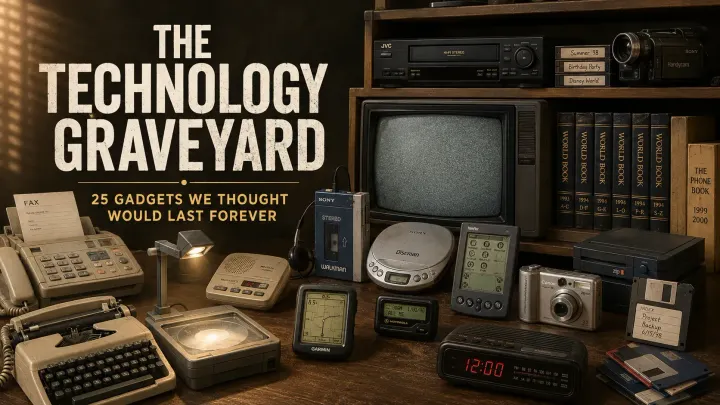
Packing for a trip meant choosing which jobs deserved their own equipment. A camera handled photographs, a portable CD player handled music, and a camcorder might come along if someone wanted moving pictures. A cell phone, pager, or Palm organizer depended on what you owned and needed; few travelers carried the entire electronics aisle.
Each choice brought accessories. Spare batteries, a camera case, headphones, and a wallet of CDs all took space. You could be well equipped for the weekend and still discover that the one device you wanted to use had the wrong batteries.
17. Getting News Once or Twice a Day
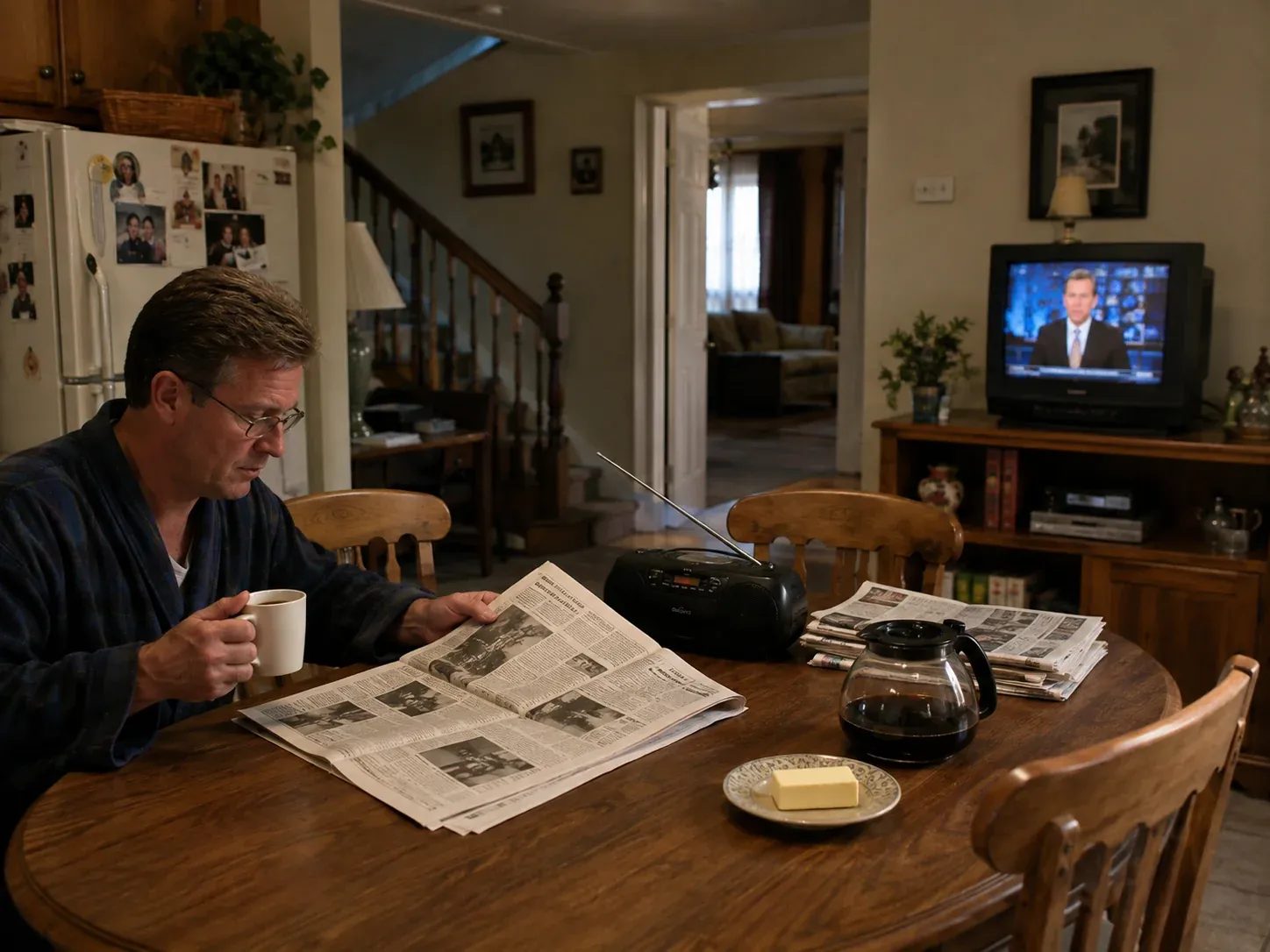
The newspaper, a radio bulletin, or the evening broadcast could give the day its news routine. Once you had finished reading or watching, there was a reasonable chance you would turn to something else without seeing another headline for a while.
Round-the-clock cable news and news websites were already available, so staying continuously informed was possible. It usually required choosing to go back to them. For people without mobile internet, a developing story didn't keep finding its way into the same pocket they used for their keys.
18. Having No Idea What Someone From High School Was Doing
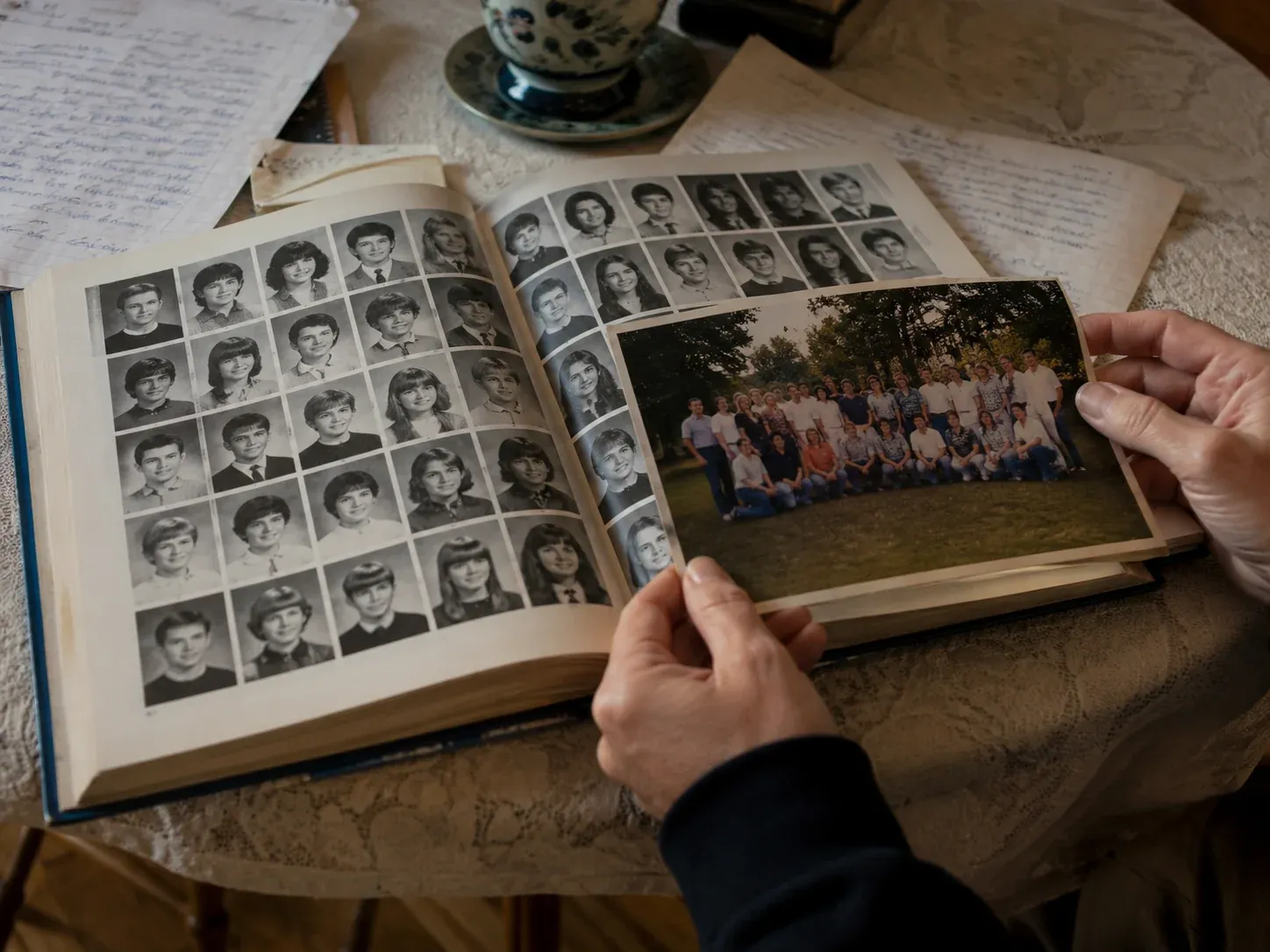
You might hear about an old classmate through someone who had run into them, then receive no further news for another year. An address changed, an email went unanswered, or a friendship simply lost its regular place in the week.
People certainly stayed in touch online in 2000. Email, AOL Instant Messenger, and discussion groups gave them useful ways to do it. But there was no widely shared expectation that the ordinary milestones of everyone you had once known would remain visible. Reconnecting could involve catching up on an entire chapter of someone's life.
19. Buying Something Without Comparing Prices Online
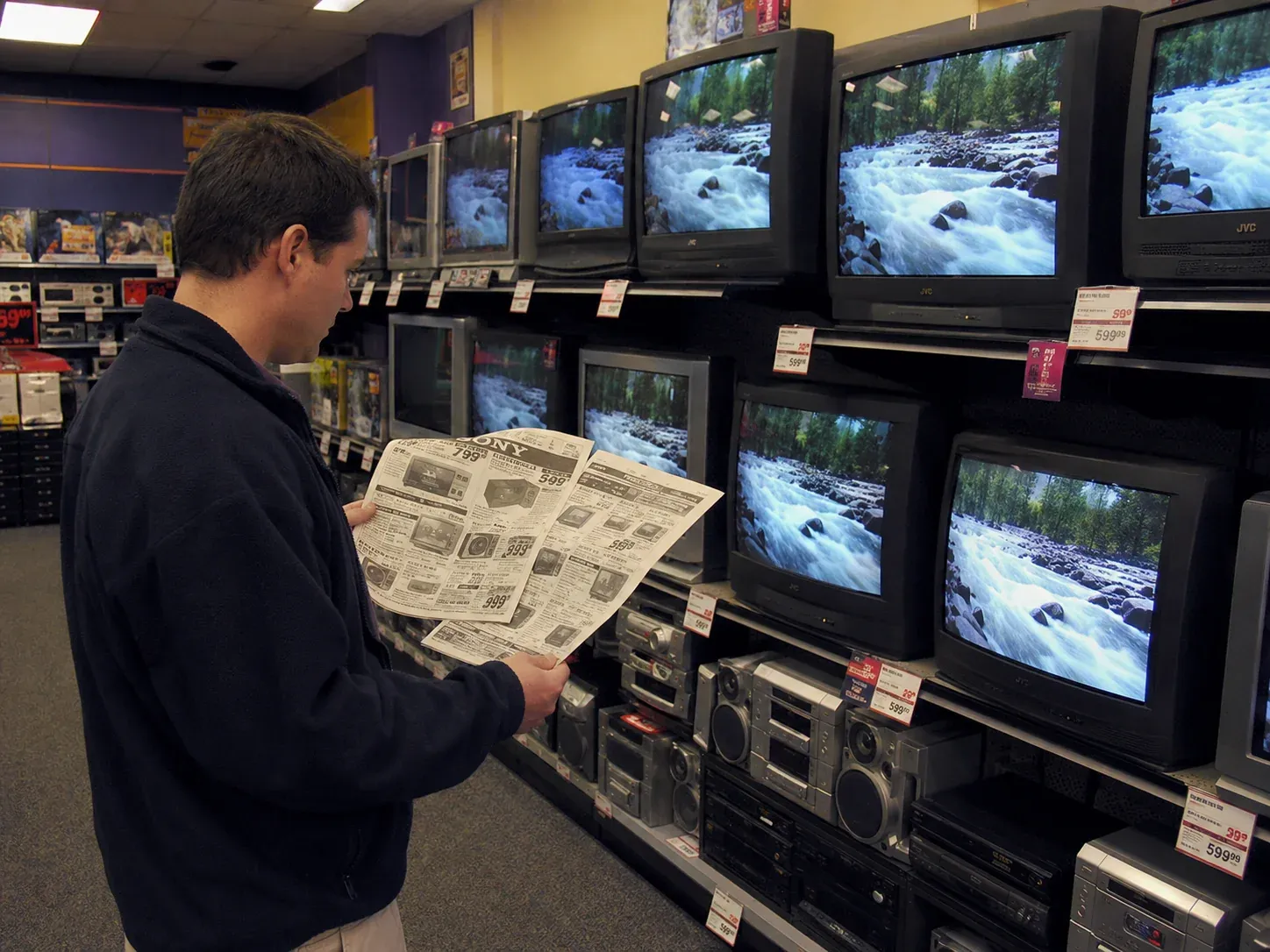
Comparing prices often meant doing the research before you went shopping. You checked advertisements, called stores, or looked online at home, then took what you had learned into the shop. Without that preparation, a sale sign had a better chance of making the decision for you.
Online shopping and comparison tools already existed; the limitation was having them available at the moment you needed them. Standing beside a television on display, you couldn't necessarily check another retailer without going somewhere else. Leaving to investigate could mean a second trip if the first store turned out to have the best deal.
20. Waiting for a Webpage to Load
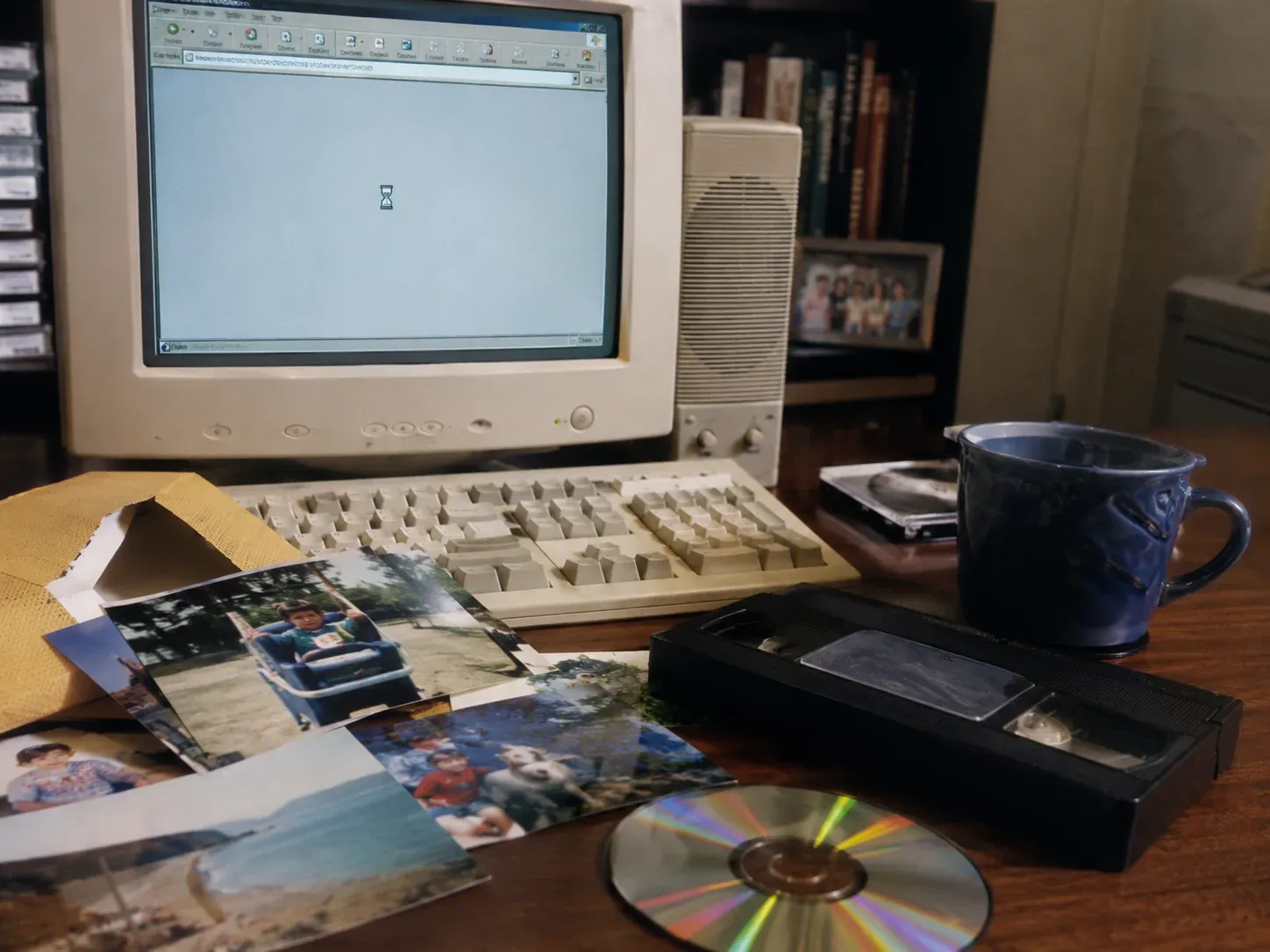
A slow connection taught you to make judgments about an unfinished webpage. The text might arrive before the pictures, leaving you to decide whether the missing image was worth waiting for. Clicking again could mean starting another wait instead of getting a faster answer.
Large downloads were even more of a commitment. You watched the progress indicator, wondered whether the estimated time would improve, and tried to avoid losing the connection before it finished. Broadband was changing that experience, but for a household still on dial-up, the size of a file could determine whether it was worth opening at all.
What We Remember About 2000
Some of these routines are easy to miss in retrospect: the conversation at the photo counter, an unexpected album track, the shared decision in a video-store aisle. Others deserve very little nostalgia. Getting lost with inadequate directions or discovering that a recording had failed was irritating then, too.
What makes 2000 feel distant is how much everyday competence involved managing these arrangements. You learned which number to dial, what to bring, and when to show up. It is possible to remember those skills fondly while being quite pleased that you rarely need them now. For the products that changed those routines, revisit the biggest tech launches of the 2000s.
Recommended