
The Best-Selling Album Every Year of the 1980s
From Pink Floyd and Michael Jackson to Whitney Houston and Bon Jovi, these were the albums that ruled America year by year.
The 1980s produced some of the biggest albums in music history.
It was a decade when buying an album was still an event. Fans lined up at record stores, cassette tapes filled car stereos, MTV turned musicians into visual superstars, and a true blockbuster album didn't disappear after a few weeks. It could seemingly soundtrack an entire year.
But which album ruled each individual year?
For this list, we're using the album that finished No. 1 on Billboard's year-end album chart in the United States. That distinction matters. An album released late in one year could dominate the following year, and the record with the greatest lifetime sales wasn't necessarily the album that performed best during that particular Billboard chart year.
Here is the soundtrack to the 1980s, one year at a time.
1980 — Pink Floyd, The Wall
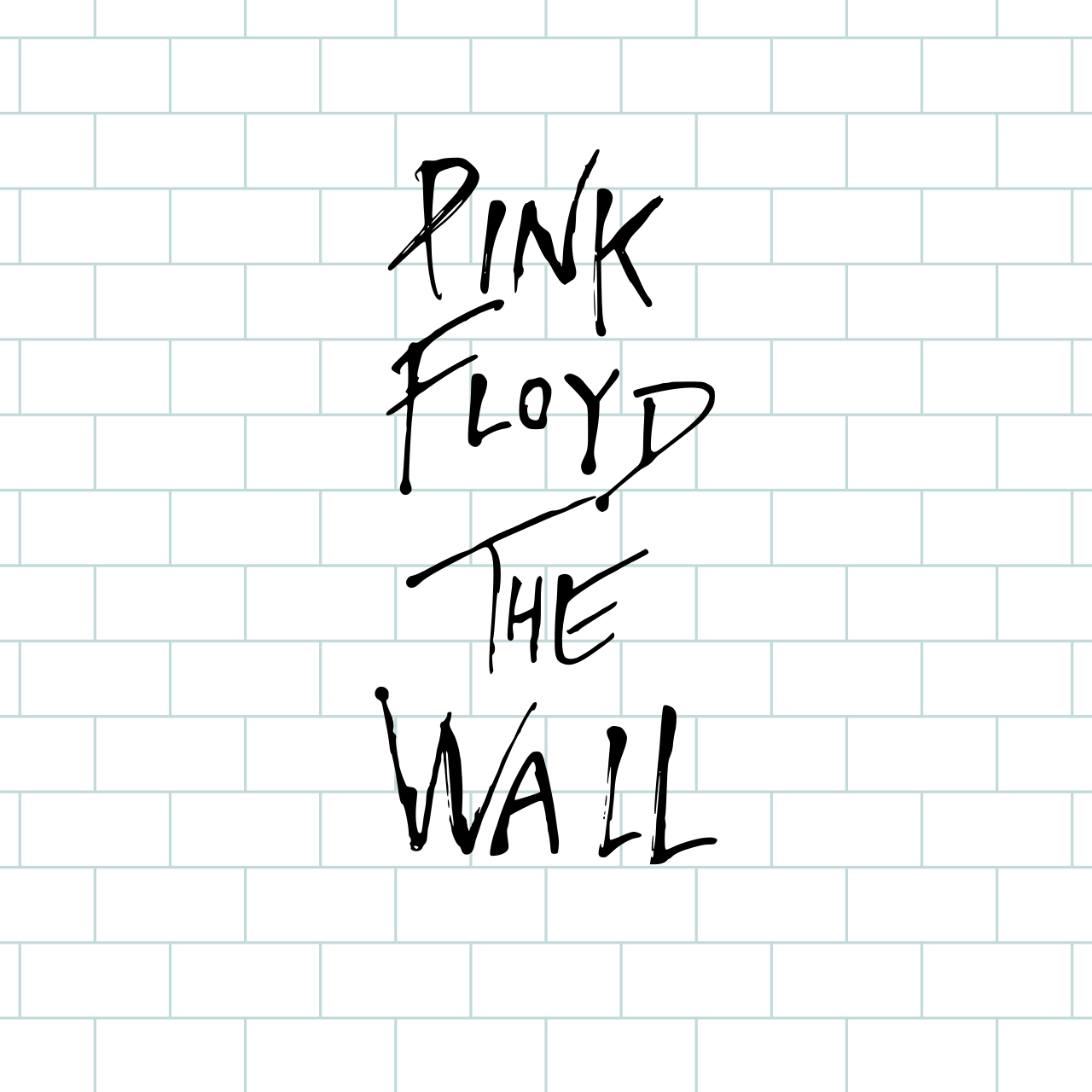
The decade began with one of rock music's most ambitious albums.
Pink Floyd had released The Wall in November 1979, but its commercial peak spilled decisively into 1980. The sprawling concept album became the No. 1 album on Billboard's 1980 year-end chart, finishing ahead of records including the Eagles' The Long Run, Michael Jackson's Off the Wall and Billy Joel's Glass Houses.
Built around themes of alienation and isolation, the double album produced one of Pink Floyd's most recognizable songs, "Another Brick in the Wall, Part 2."
It was an unusually dark record to become a mass-market phenomenon, yet that may be part of what makes The Wall such a fitting way to begin the decade. Before the bright colors and glossy pop production commonly associated with the '80s fully arrived, one of the biggest records in America was a bleak rock opera.
1980 Billboard Year-End No. 1 Album: The Wall
Artist: Pink Floyd
Album released: 1979
1981 — REO Speedwagon, Hi Infidelity
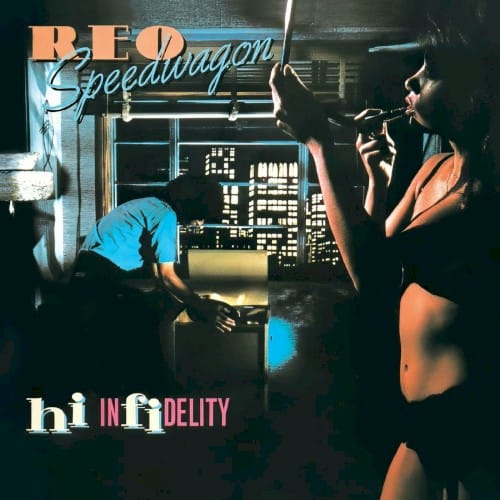
For anyone who thinks of REO Speedwagon primarily as an oldies-radio staple today, it can be difficult to appreciate just how enormous the band became at the beginning of the 1980s.
Hi Infidelity finished as Billboard's top album of 1981, ahead of John Lennon and Yoko Ono's Double Fantasy, Kenny Rogers' Greatest Hits, Christopher Cross' self-titled album and Pat Benatar's Crimes of Passion.
The album was powered by songs including "Keep On Loving You" and "Take It on the Run," helping REO Speedwagon make the leap from successful rock band to mainstream phenomenon.
The band's dominance was substantial enough that Billboard also recognized REO Speedwagon as its top artist and top albums artist for the year.
1981 Billboard Year-End No. 1 Album: Hi Infidelity
Artist: REO Speedwagon
Album released: 1980
1982 — Asia, Asia
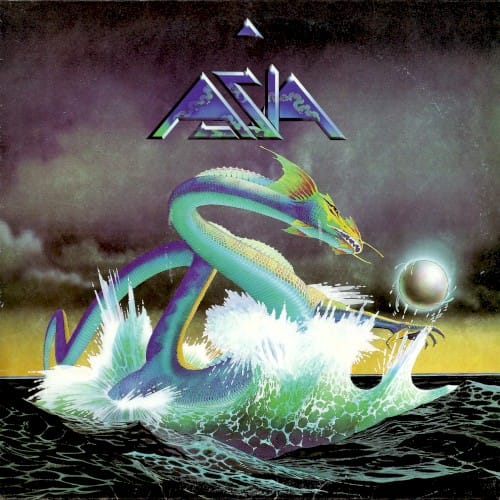
One of the more surprising champions of the decade came in 1982.
Supergroup Asia's self-titled debut became an immediate blockbuster and finished No. 1 on Billboard's 1982 year-end album ranking. Billboard records also show that the Go-Go's Beauty and the Beat finished second for the year.
Asia wasn't a group of unknown newcomers. Its members arrived with résumés connected to progressive-rock giants including Yes, King Crimson and Emerson, Lake & Palmer.
But Asia gave them a streamlined arena-rock sound perfectly suited to the early MTV era, most memorably through "Heat of the Moment."
The album also spent nine nonconsecutive weeks at No. 1 on the Billboard album chart.
1982 Billboard Year-End No. 1 Album: Asia
Artist: Asia
Album released: 1982
1983 — Michael Jackson, Thriller
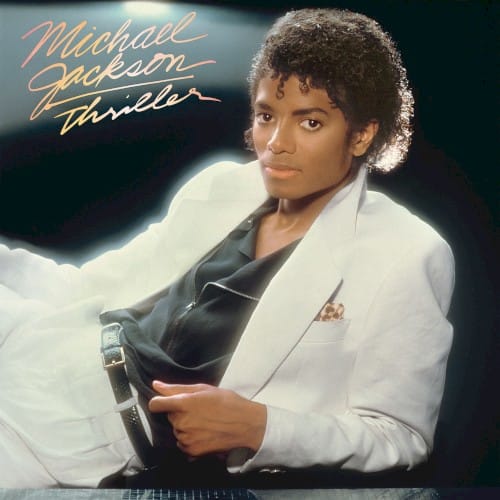
Then everything changed.
Michael Jackson released Thriller in late 1982, but 1983 was the year it became a cultural phenomenon.
The album spent 22 nonconsecutive weeks at No. 1 during 1983 alone and finished as Billboard's top album of the year. Songs including "Billie Jean," "Beat It" and "Thriller" became inseparable from the emergence of MTV as a major force in popular culture.
By the end of 1983, Thriller had already reached extraordinary worldwide sales levels. Its unprecedented run was fueled not just by radio singles, but by music videos that demonstrated how powerful the new medium could be for selling records.
And Jackson wasn't finished.
1983 Billboard Year-End No. 1 Album: Thriller
Artist: Michael Jackson
Album released: 1982
1984 — Michael Jackson, Thriller
For the second straight year, America's biggest album was the same record.
Thriller again finished No. 1 on Billboard's year-end Billboard 200 albums ranking in 1984, making Michael Jackson one of the rare artists to claim back-to-back year-end album championships with the same release. Billboard has subsequently noted that Thriller topped its year-end album ranking in both 1983 and 1984.
Its continued success was remarkable considering that the album had originally been released back in November 1982.
The famous Thriller short film had premiered in late 1983, giving the album yet another enormous burst of attention as 1984 began. Meanwhile, Jackson's record-setting night at the Grammy Awards helped keep the album at the center of American popular culture.
Few albums have ever enjoyed a commercial run quite like it.
1984 Billboard Year-End No. 1 Album: Thriller
Artist: Michael Jackson
Album released: 1982
1985 — Bruce Springsteen, Born in the U.S.A.
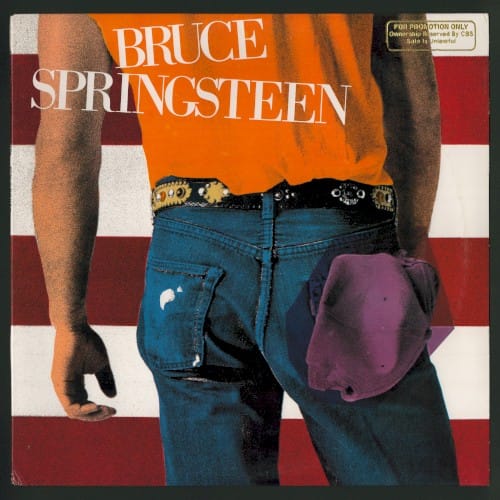
By 1985, Bruce Springsteen had transformed from one of America's most respected rock performers into one of its biggest mainstream stars.
Born in the U.S.A. was released in June 1984, but its extraordinary run carried throughout the following year. Billboard lists it as the No. 1 album on its 1985 year-end chart.
Its run of hit singles was extraordinary: "Dancing in the Dark," "Cover Me," "Born in the U.S.A.," "I'm on Fire," "Glory Days," "I'm Goin' Down" and "My Hometown" all helped extend the album's lifespan.
The cover — Springsteen photographed in front of an American flag — became one of the decade's most instantly recognizable pieces of album artwork.
In a period overflowing with pop superstars, Springsteen had created a genuine blockbuster rock album.
1985 Billboard Year-End No. 1 Album: Born in the U.S.A.
Artist: Bruce Springsteen
Album released: 1984
1986 — Whitney Houston, Whitney Houston
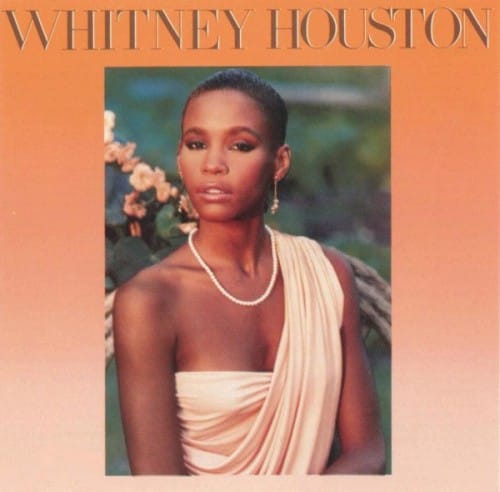
The biggest album of 1986 belonged to a new superstar.
Whitney Houston's self-titled debut finished No. 1 on Billboard's 1986 year-end album chart, making Houston the first female artist to achieve that distinction.
The album's rise wasn't instantaneous. Houston's debut gradually climbed the Billboard chart until finally reaching No. 1, where it remained for 14 weeks.
Songs including "Saving All My Love for You," "How Will I Know" and "Greatest Love of All" showcased the voice that would make Houston one of the defining pop singers of her generation.
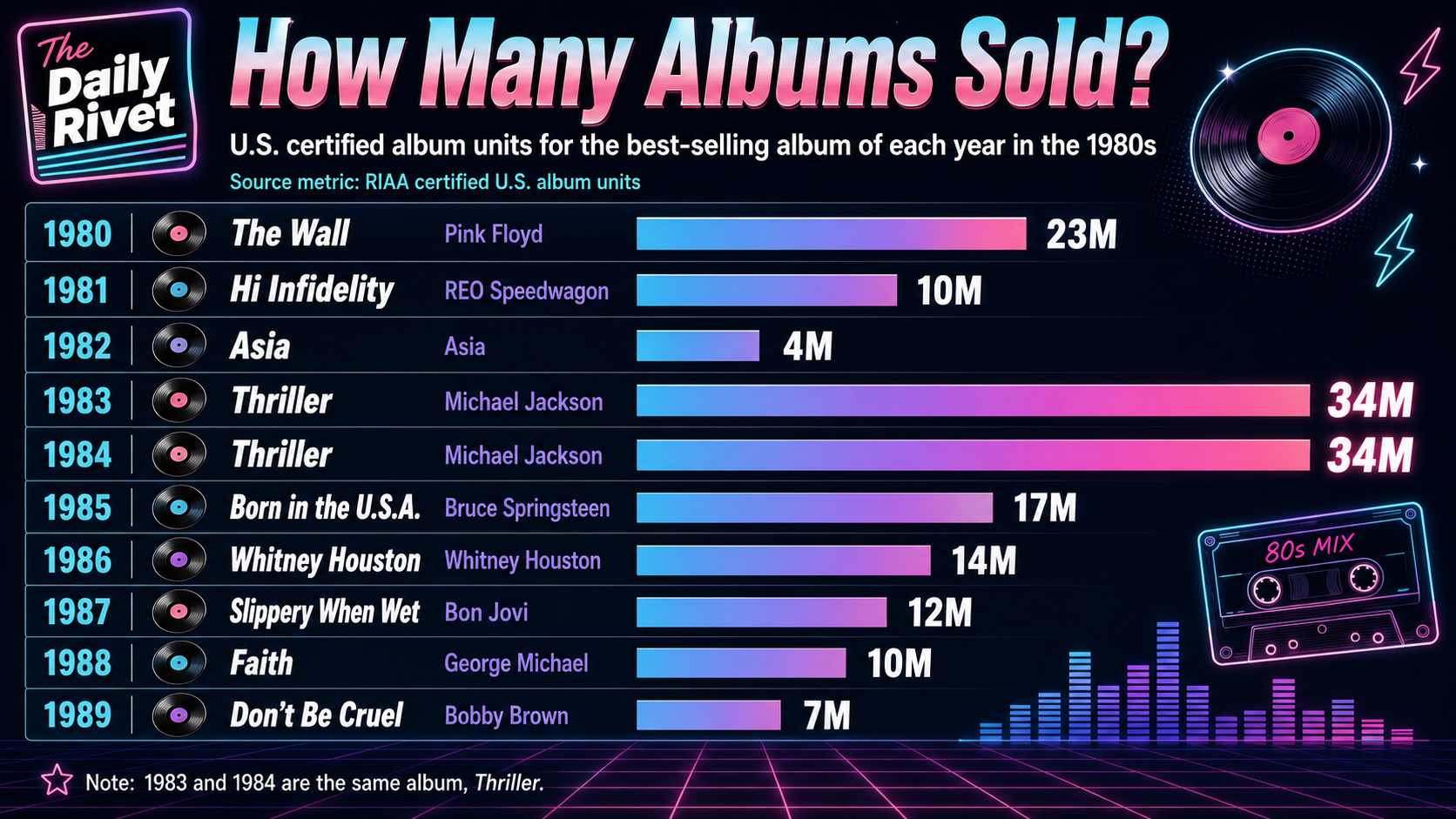
The album eventually became far more than a successful debut. The RIAA has subsequently certified it at 14-times Platinum in the United States.
1986 Billboard Year-End No. 1 Album: Whitney Houston
Artist: Whitney Houston
Album released: 1985
1987 — Bon Jovi, Slippery When Wet
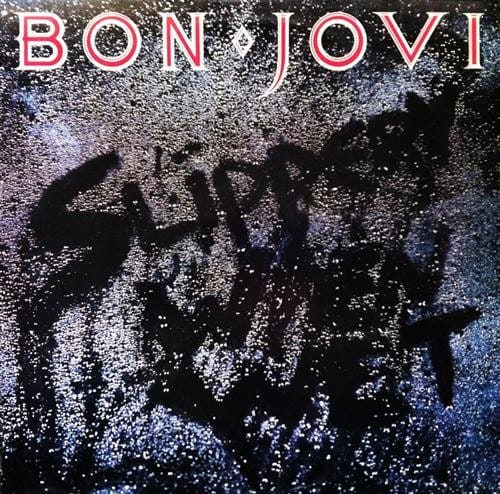
If you wanted one album to represent the explosion of arena-sized rock in the second half of the 1980s, Slippery When Wet would have a strong case.
Bon Jovi's third studio album spent eight weeks at No. 1 on the Billboard 200 and was Billboard's top album of 1987.
And the singles were everywhere.
"You Give Love a Bad Name," "Livin' on a Prayer" and "Wanted Dead or Alive" helped turn Bon Jovi into international superstars and made the band's combination of hard rock hooks and radio-friendly choruses one of the defining sounds of late-'80s music.
The album has since received an 18-times Platinum certification from the RIAA, underlining how far its success ultimately extended beyond its original chart run.
1987 Billboard Year-End No. 1 Album: Slippery When Wet
Artist: Bon Jovi
Album released: 1986
1988 — George Michael, Faith
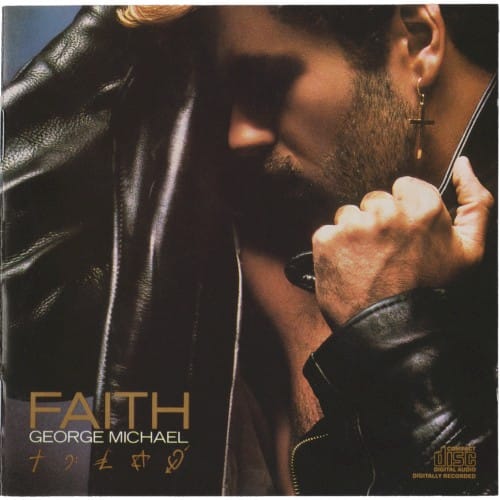
George Michael didn't simply survive the breakup of Wham! He became an even bigger star.
His debut solo album, Faith, finished No. 1 on Billboard's 1988 year-end album chart.
Michael was seemingly unavoidable during the era, producing major hits including "Faith," "Father Figure," "One More Try" and "Monkey."
The record also helped redefine Michael's public image. The former Wham! star emerged in leather jacket, sunglasses and stubble, looking and sounding markedly different from the brightly colored pop image associated with his earlier group.
Billboard's results reflected just how complete that transformation was: Michael dominated both its album and singles landscape during the year.
1988 Billboard Year-End No. 1 Album: Faith
Artist: George Michael
Album released: 1987
1989 — Bobby Brown, Don't Be Cruel
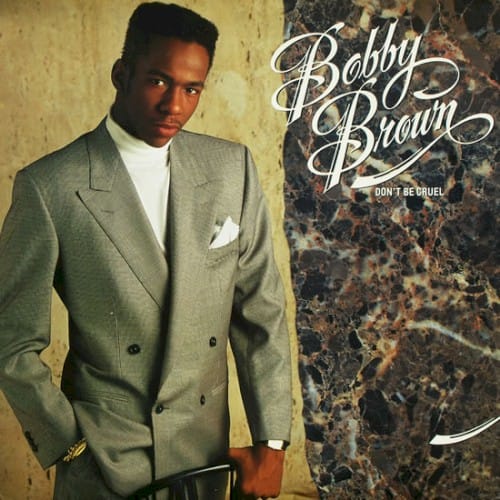
The final year of the decade didn't belong to Guns N' Roses, Madonna or Michael Jackson.
It belonged to Bobby Brown.
Brown's Don't Be Cruel finished as Billboard's No. 1 year-end album for 1989, providing a fitting glimpse at where popular music was headed as the 1990s approached.
Brown had begun his career as a member of New Edition, but Don't Be Cruel established him as a major solo star.
The album produced a string of hits, most notably "My Prerogative," and became one of the landmark releases associated with the rise of new jack swing — the fusion of R&B, pop and hip-hop-influenced production that would become increasingly important around the turn of the decade.
And with that, the 1980s closed on a dramatically different sound than the one with which they had begun.
1989 Billboard Year-End No. 1 Album: Don't Be Cruel
Artist: Bobby Brown
Album released: 1988
How We Determined the Winners
For consistency, we used the No. 1 album on Billboard's year-end U.S. album ranking for each year from 1980 through 1989. Billboard maintains a historical listing of its annual Billboard 200 champions.
Billboard — Billboard 200 year-end album rankings and historical chart records. Billboard's retrospective of annual No. 1 albums confirms the yearly winners used in this article.
Recording Industry Association of America (RIAA) — Gold & Platinum certification database, used as supporting information for long-term U.S. album certifications.
Recommended
What Would Your Wizarding Career Be?
Answer 25 personality questions and discover whether you're destined to be an Auror, Healer, Professor, Curse-Breaker, Wandmaker or another wizarding professional.
10 of the Most Recognizable Careers in the Harry Potter Wizarding World
From Aurors and Healers to Hogwarts professors and Quidditch players, explore 10 of the most recognizable jobs in the Harry Potter Wizarding World.

Exosquad at 33: The ’90s Cartoon That Treated Space War Like It Mattered
Thirty-three years after its premiere, Exosquad remains a remarkably ambitious animated war epic built on serialized storytelling, political consequence and unforgettable E-frames.