School Life in the ’90s: Keeping Ourselves Entertained
From folded notes and paper football to Pogs and virtual pets, these ten school-day diversions kept us entertained in the ’90s.
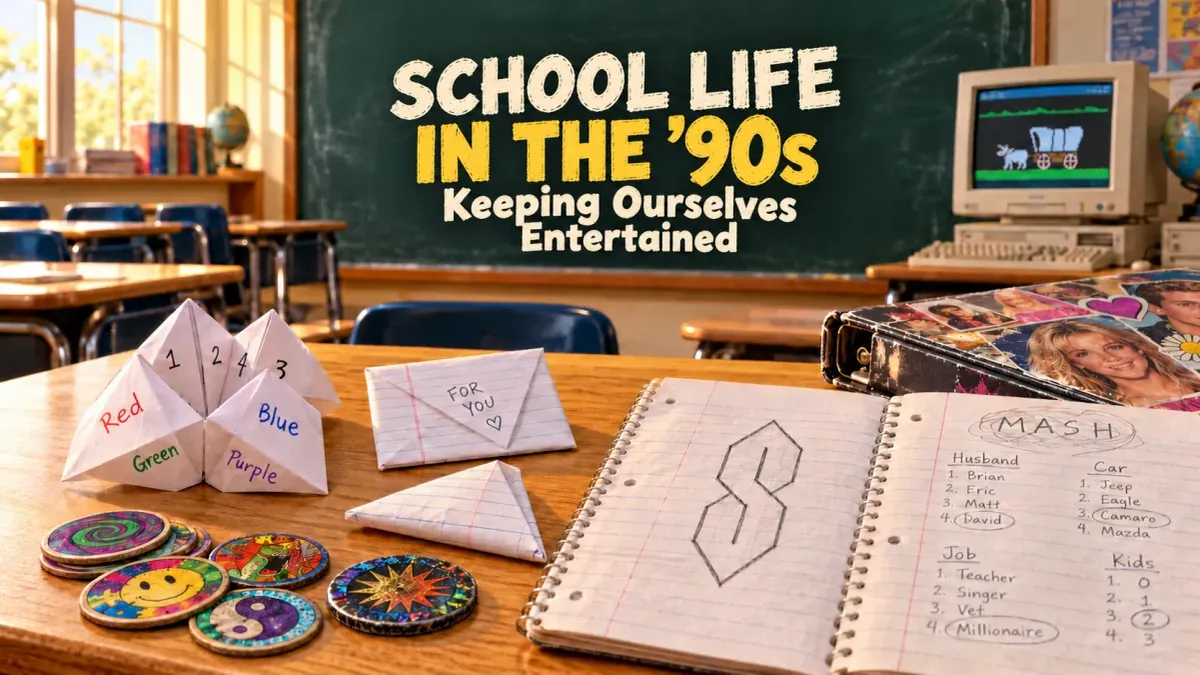
A folded piece of notebook paper could have a surprisingly complicated journey through a classroom. It might cross two rows, spend a few minutes beneath someone’s textbook, and finally reach its destination just as the teacher turned around. By then, the person who wrote it was watching for a reaction.
Some school-day diversions needed only a sheet of paper; others meant bringing a carefully guarded collection from home. They filled the gaps between assignments, lunch, and the bell, sometimes attracting enough attention for teachers to intervene.
1. Folding and passing notes
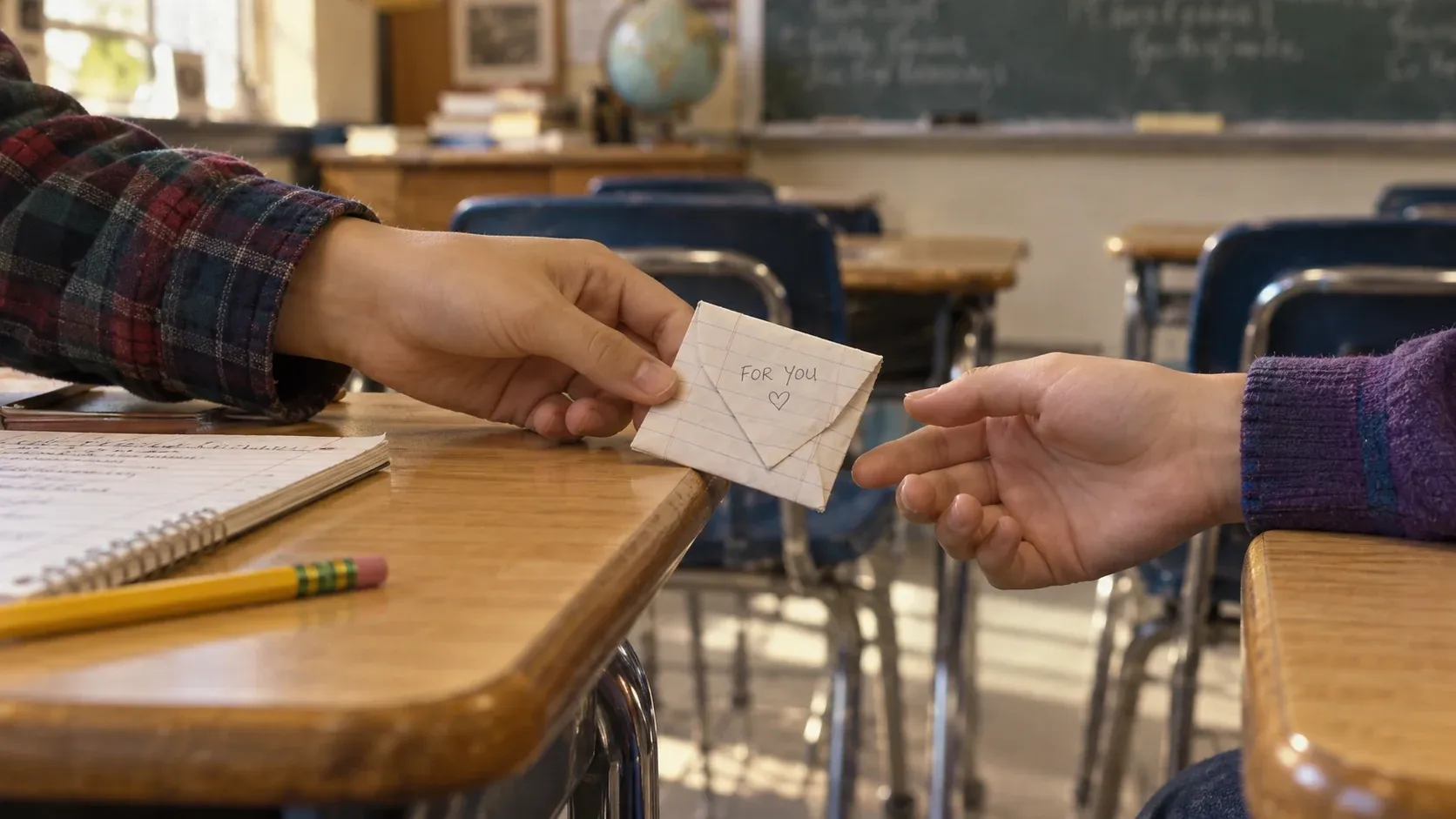
Writing the message was only part of the job. Then came the folding: a small square, a triangle, or an elaborate packet with a flap the recipient had to figure out. The name on the outside made it official, even if the contents were mostly a question about lunch.
There was a whole etiquette to delivery. You needed someone willing to pass it along, a moment when the teacher’s attention was elsewhere, and some confidence that the people in between would resist opening it. The return trip could feel considerably longer.
If you weren’t in the same class, folded notes could go through a locker vent or door seam instead. A conversation could continue throughout the day, one small piece of paper at a time.
2. Making paper fortune tellers
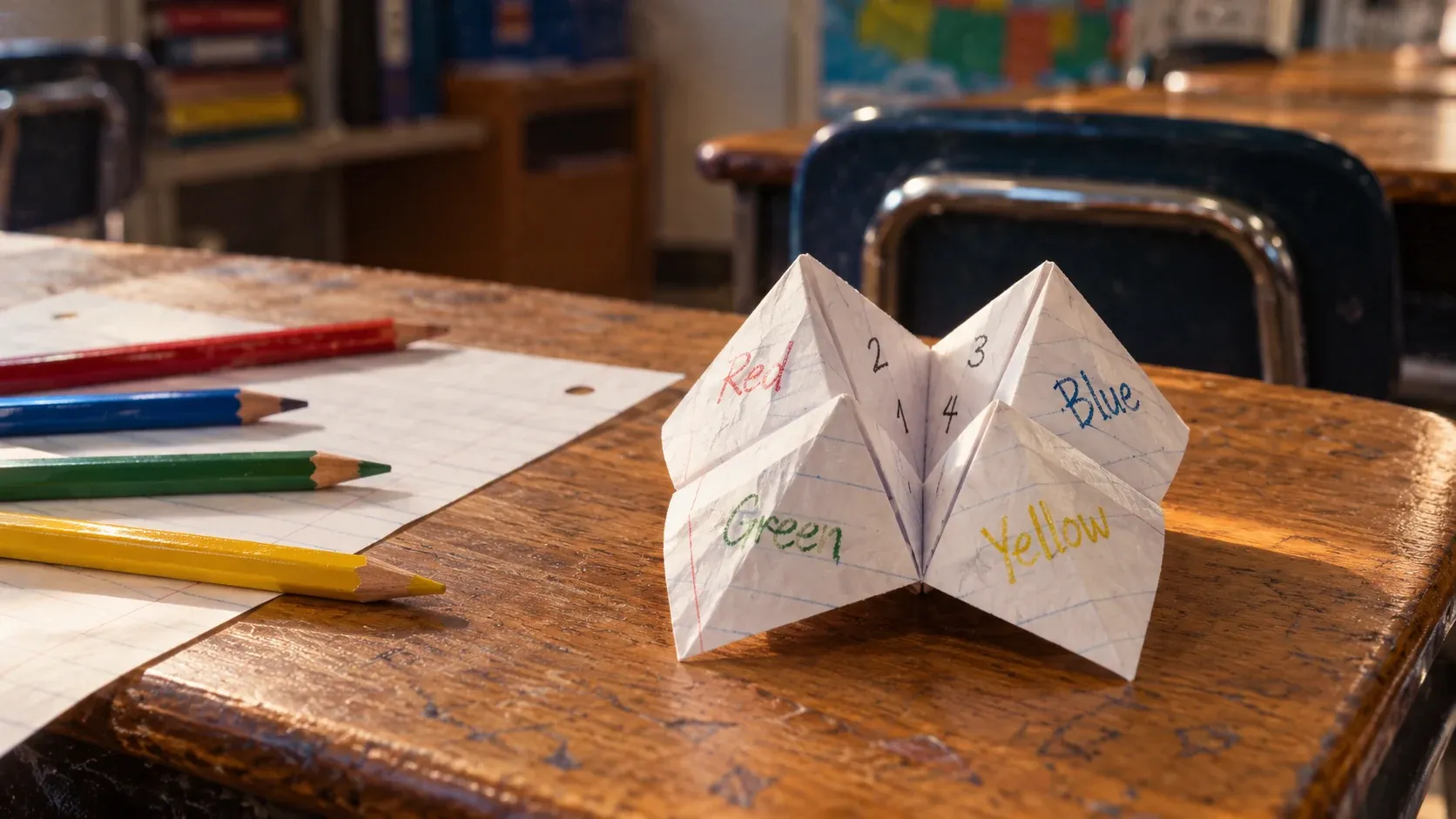
Someone asked you to pick a color. Then came the opening and closing of four paper pockets, a choice of numbers, and the unfolding of a flap that apparently held important information about your future.
Learning the folds meant you could make the next one yourself and teach someone else. The fortunes were whatever the makers wanted them to be, which left plenty of room for teasing. Choosing the number was your contribution; someone else had already decided what waited underneath.
3. Drawing that pointed “S”
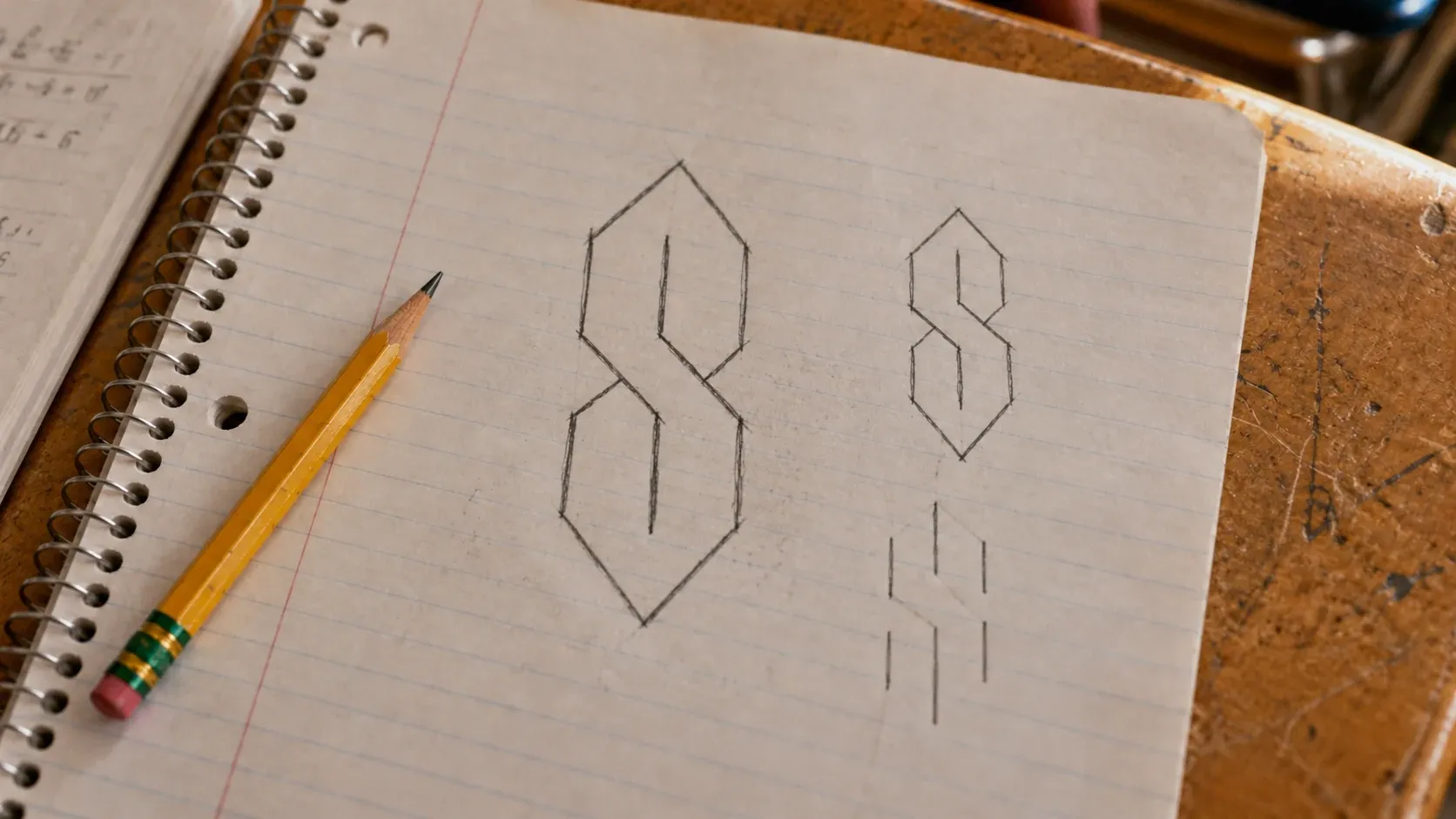
Two rows of three short vertical lines were enough to get started. Connect the right ends, add the pointed top and bottom, and there it was: the angular S that seemed to belong on any available patch of notebook paper.
It had the appeal of a little drawing trick. You practiced until the connections looked right, then tried it larger, smaller, or on the front of a book cover. A misplaced diagonal could leave you staring at the page, working out where you had gone wrong.
4. Making binder covers from magazine cutouts
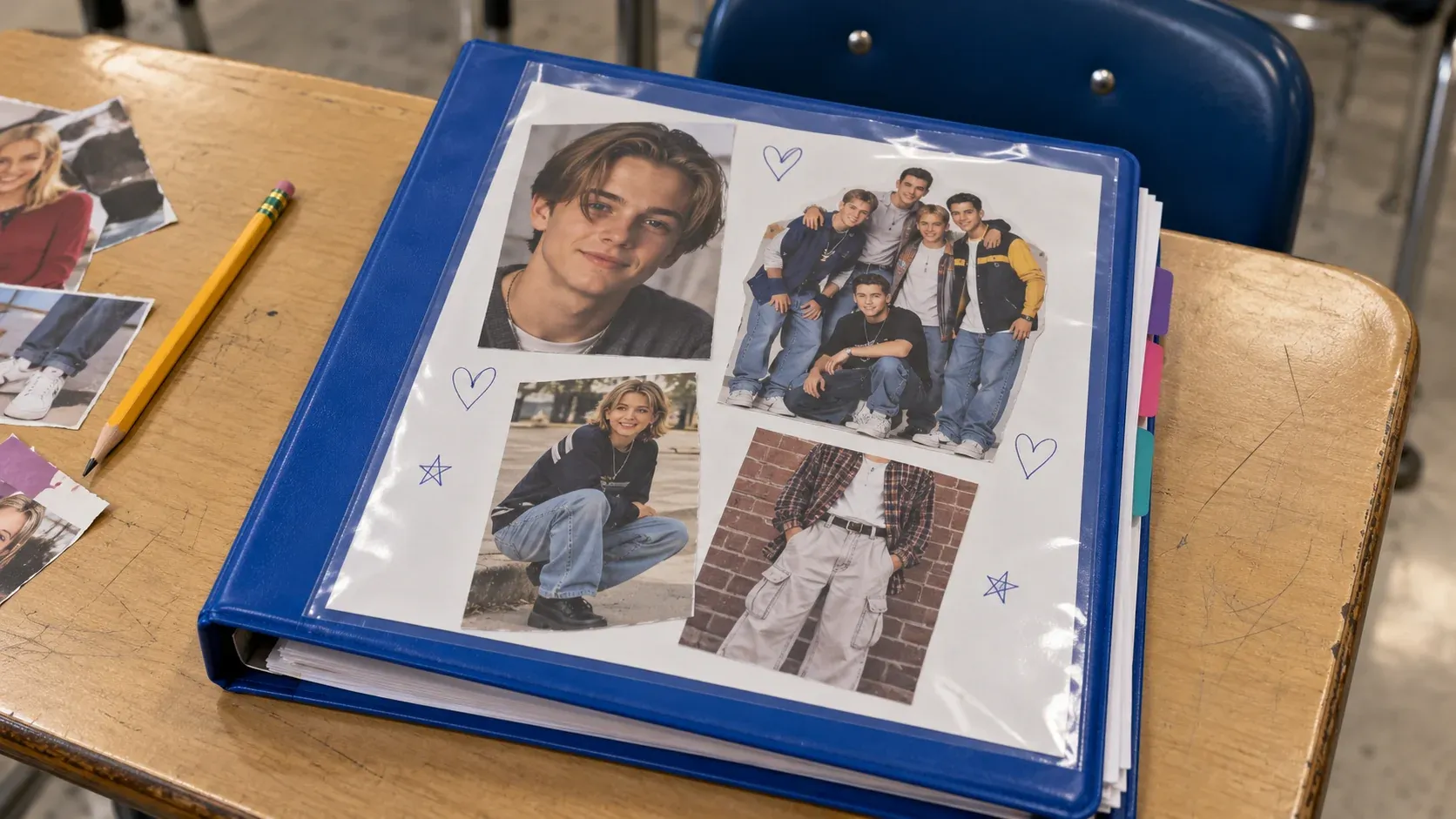
The clear sleeve on the front of a binder offered a place for the pictures you wanted everyone to see. A favorite actor might get most of the space. A band photograph, a few clipped words, and some carefully arranged pictures could fill the rest.
Those magazine-cutout covers required some editing. Space was limited, and you had to decide what deserved to be seen every time the binder came out.
A new picture could displace last month’s favorite without requiring a new binder. Meanwhile, the school-issued timetable or subject label could find somewhere less prominent to live.
5. Playing paper football
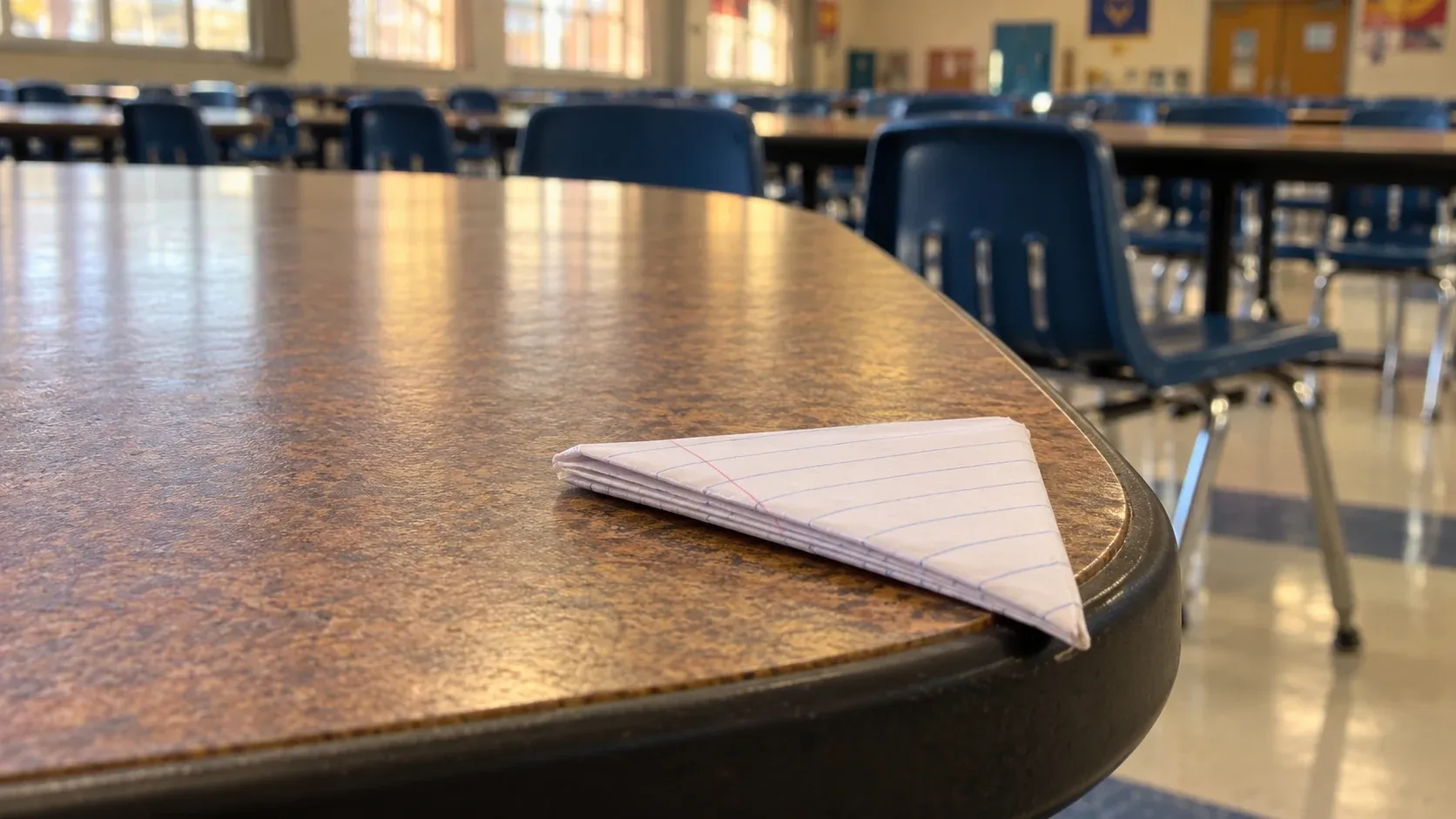
A table, two people, and a tightly folded triangle could occupy a stretch of otherwise empty time.
The difficult part was judging the slide. Too gentle and the football stopped short. Too hard and it disappeared over the edge. Landing it with just enough hanging over the opposite side called for the kind of close inspection that could produce an immediate argument.
Then came the kick, with one player making goalposts out of their fingers while the other tried to flick the paper through. Losing the ball beneath a cabinet cost you another sheet of paper and a few minutes of folding.
6. Predicting your future with MASH
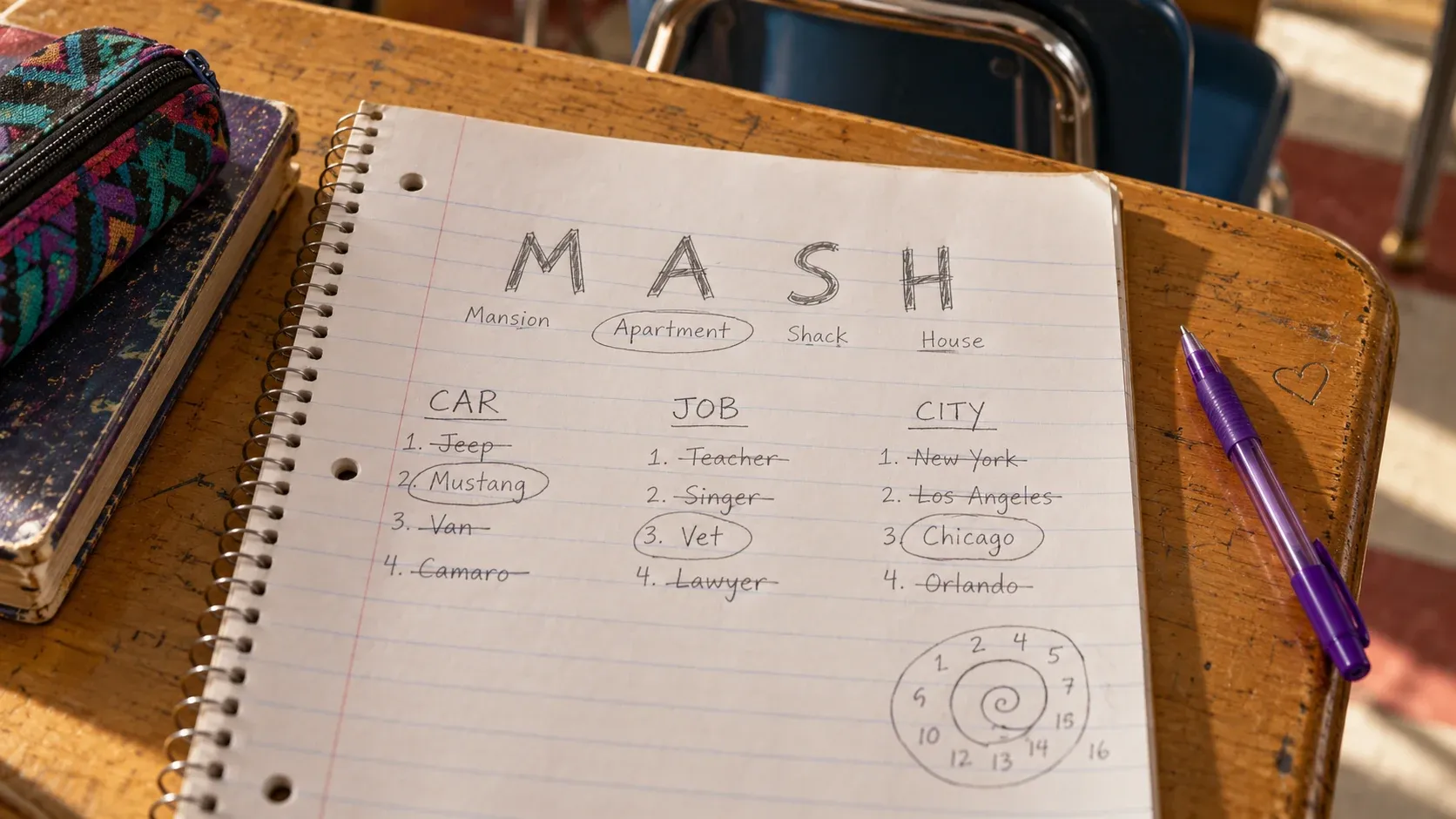
MASH could settle an extraordinary number of adult decisions during a short stretch of free time.
At the top of the page went the letters for Mansion, Apartment, Shack, and House. Other categories supplied possible spouses, cars, jobs, or however many children the people playing decided to include. You counted around the page, crossing off choices until only one remained in each category.
The entertainment was in the possibilities. You could supply sensible answers, but one ridiculous choice made the counting much more interesting. There was always the chance that the game would leave you in a shack with the person you least wanted to marry.
7. Circling books in the Scholastic flyer
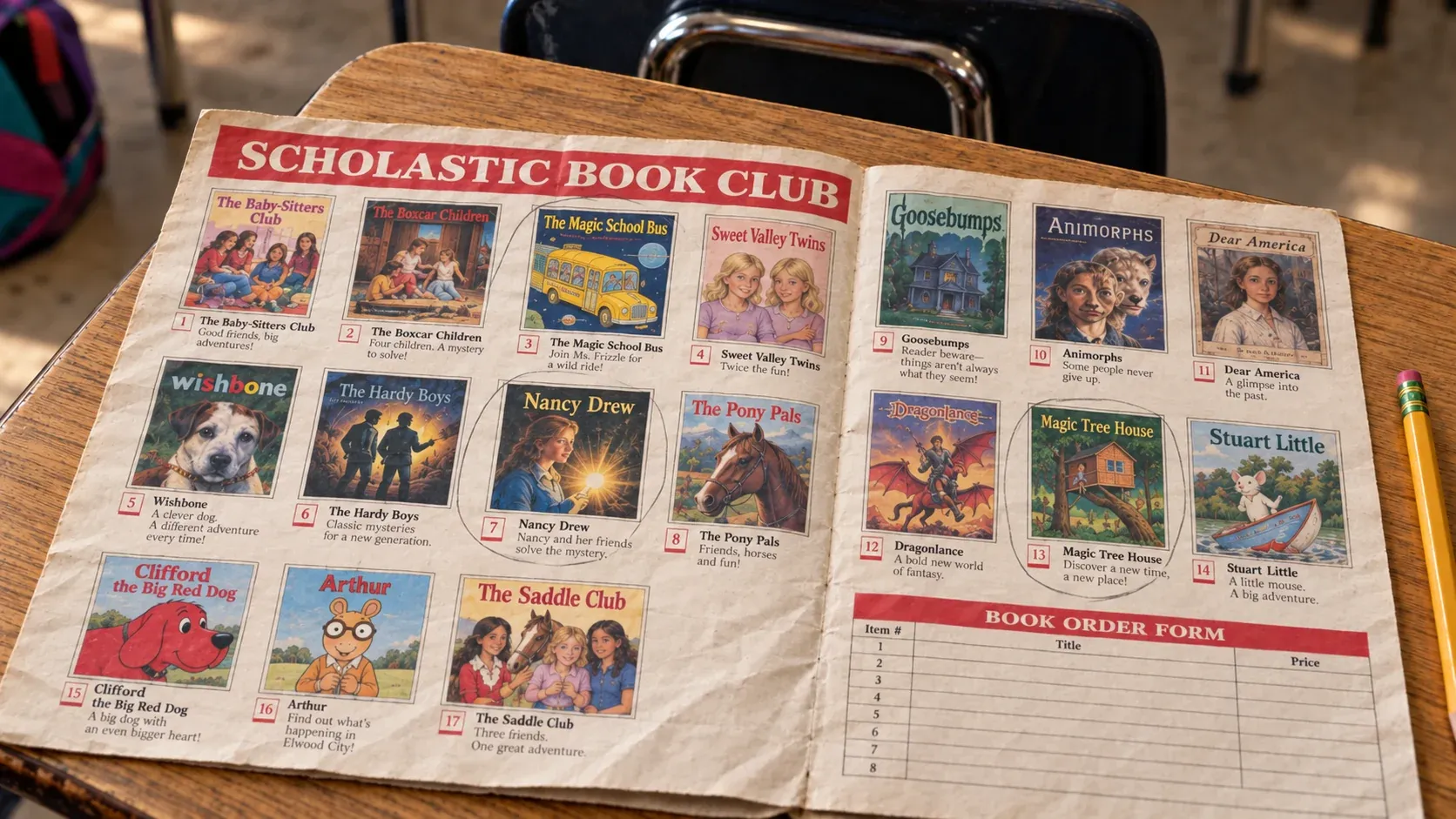
A book-club flyer invited the kind of concentration that a worksheet sometimes struggled to inspire. There were covers to examine, descriptions to read, and several possible purchases competing for the same small budget.
You took the flyer home, made the case for your selections, returned the order, and waited. The books you couldn’t get stayed there on the page, sometimes with a circle around them too.
When the delivery arrived, the teacher handed out the orders. A cover you had been looking at in a little printed rectangle was finally a book on your desk.
8. Playing The Oregon Trail in computer class
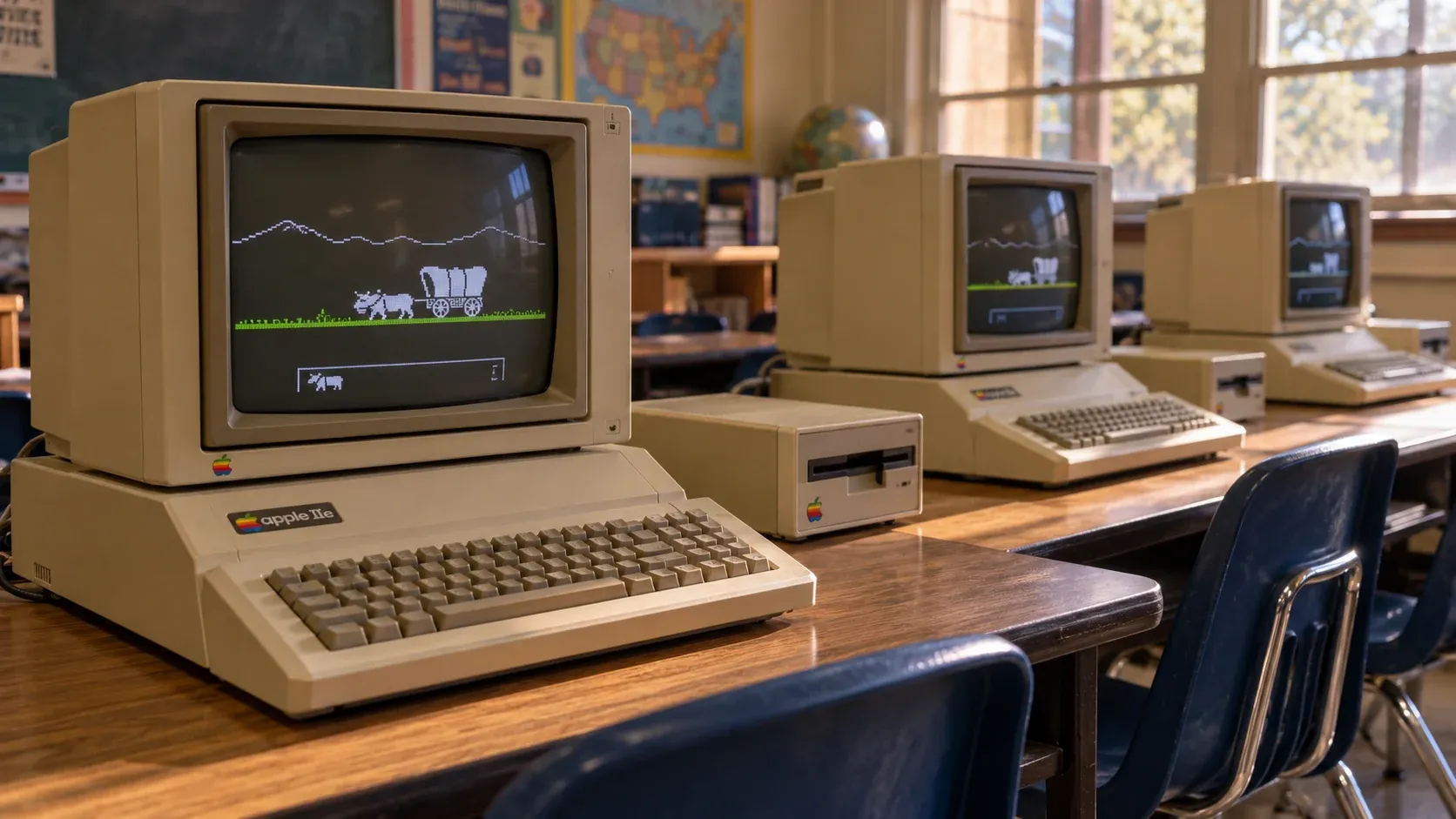
The decisions seemed reasonable at first. Buy supplies, set a pace, and try to get the wagon party across the country. Then someone became ill, food ran low, or a river crossing turned into a much bigger problem than expected.
The Oregon Trail made room for that combination of planning and sudden disaster. A classroom game could give you responsibility for an entire expedition and then demonstrate how poorly things could go.
There was usually another strategy to try, whether that meant buying more food or changing the pace, provided computer time lasted long enough.
9. Playing Pogs—and establishing whether it was for keeps
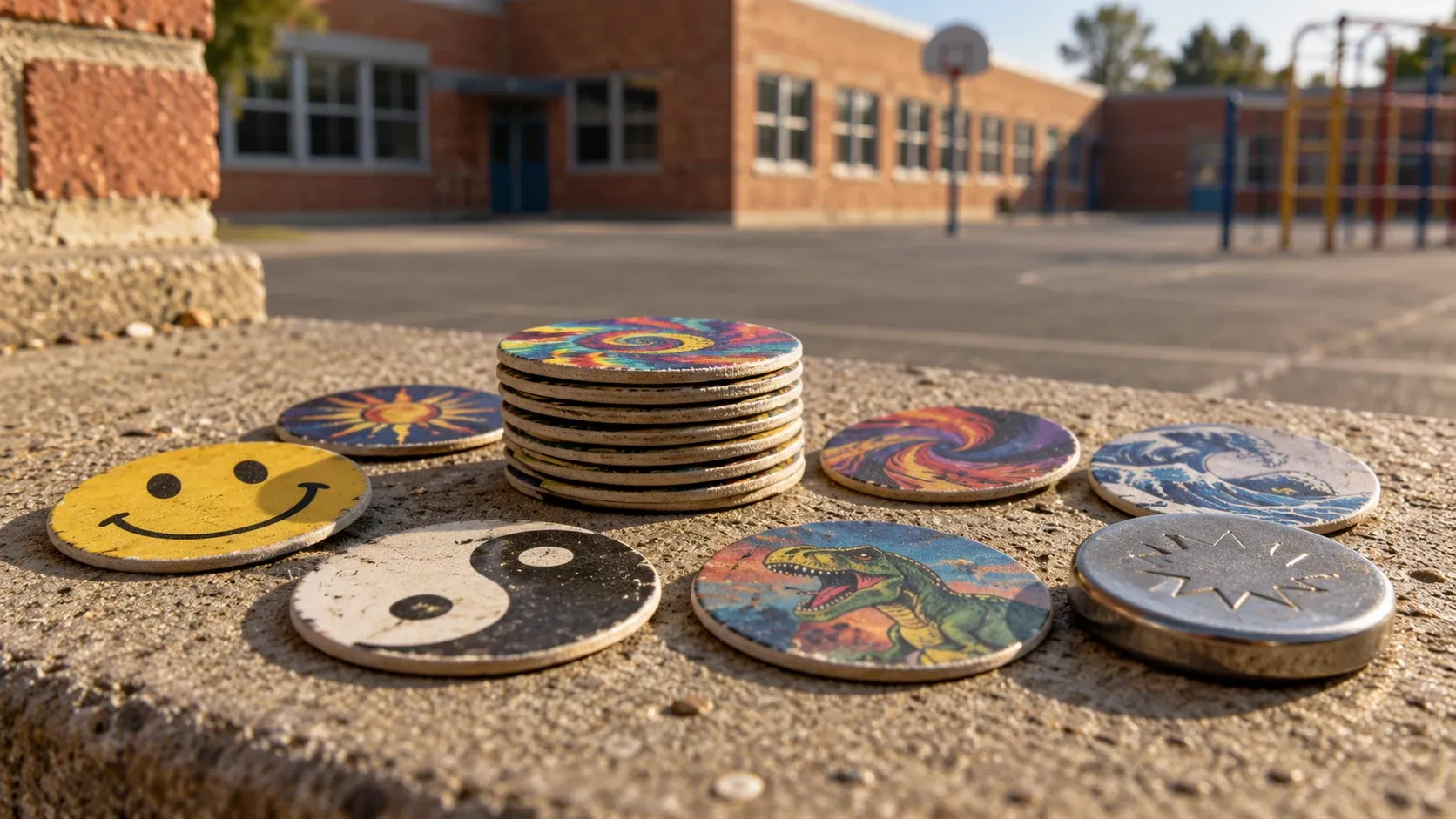
Before the slammer hit the stack, there was a question worth settling: would the winner actually keep the pieces that flipped over?
That detail could change the mood considerably. A collection someone had brought to show friends might become a collection they stood to lose.
The schoolyard disputes were real. A March 1995 Associated Press report described schools around the country restricting or banning Pogs after arguments, theft, and disagreements over games played for keeps. One student in Wormleysburg, Pennsylvania, described having four taken away.
The game itself was simple enough to spread quickly: stack the thin discs, strike them with a heavier slammer, and see what turned over. The collection surrounding it made every round more complicated. Some pieces were much easier to risk than others.
10. Keeping a virtual pet alive during school
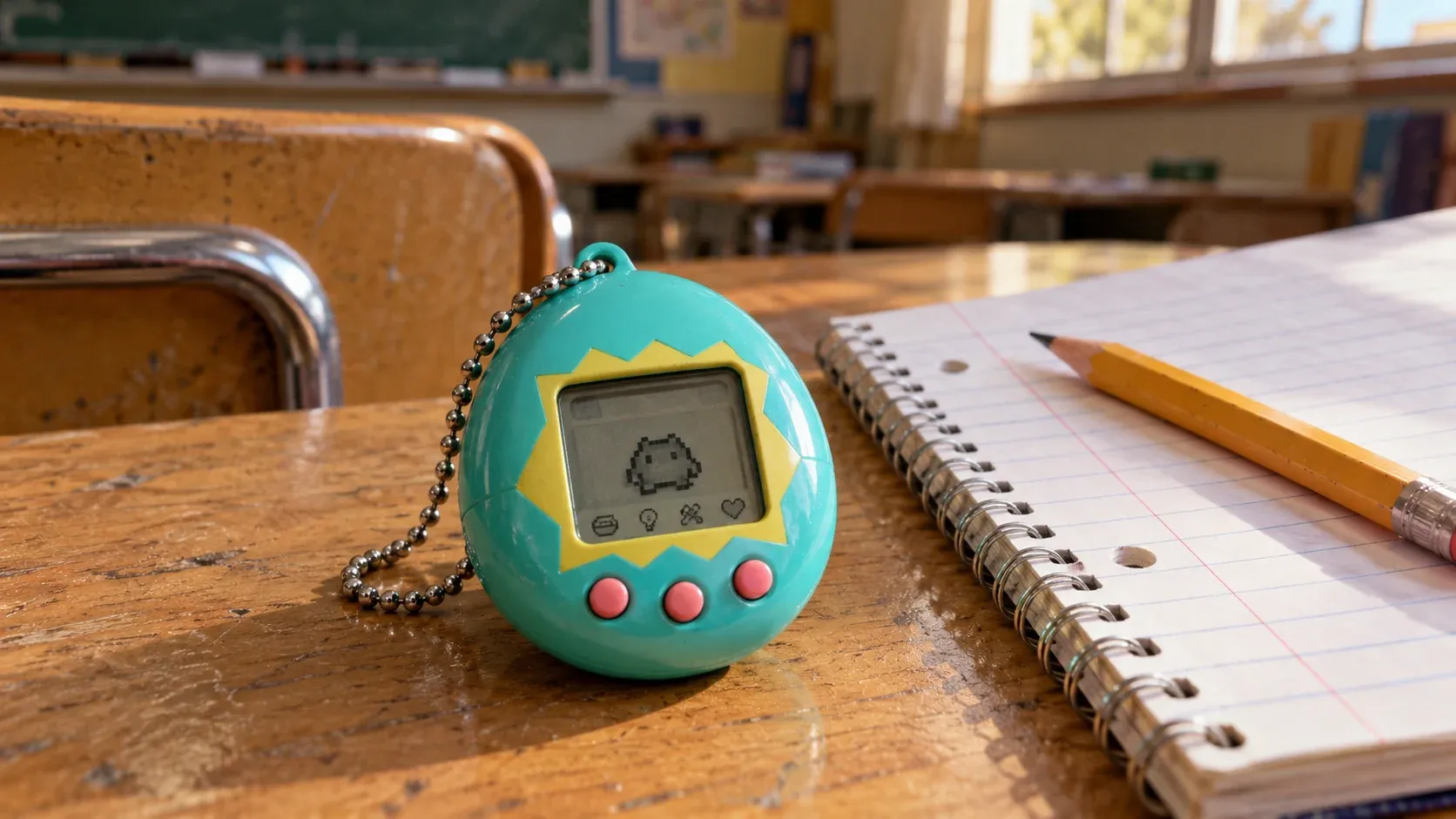
By 1997, a small electronic pet could add another obligation to the school day. Alongside remembering your homework and getting to class, you might also have a creature that expected feeding.
Feeding it had to fit around lessons. Its owner had to decide whether to wait for the bell or try to look after it during class.
Associated Press reporting from September 1997 described students leaving class to tend virtual pets, schools imposing bans, and parents taking over their children’s devices during the day.
An egg-shaped toy had somehow acquired a schedule important enough to compete with yours.
Recommended