
10 ’90s Athletes Who Made Millions — Then Lost Their Fortunes
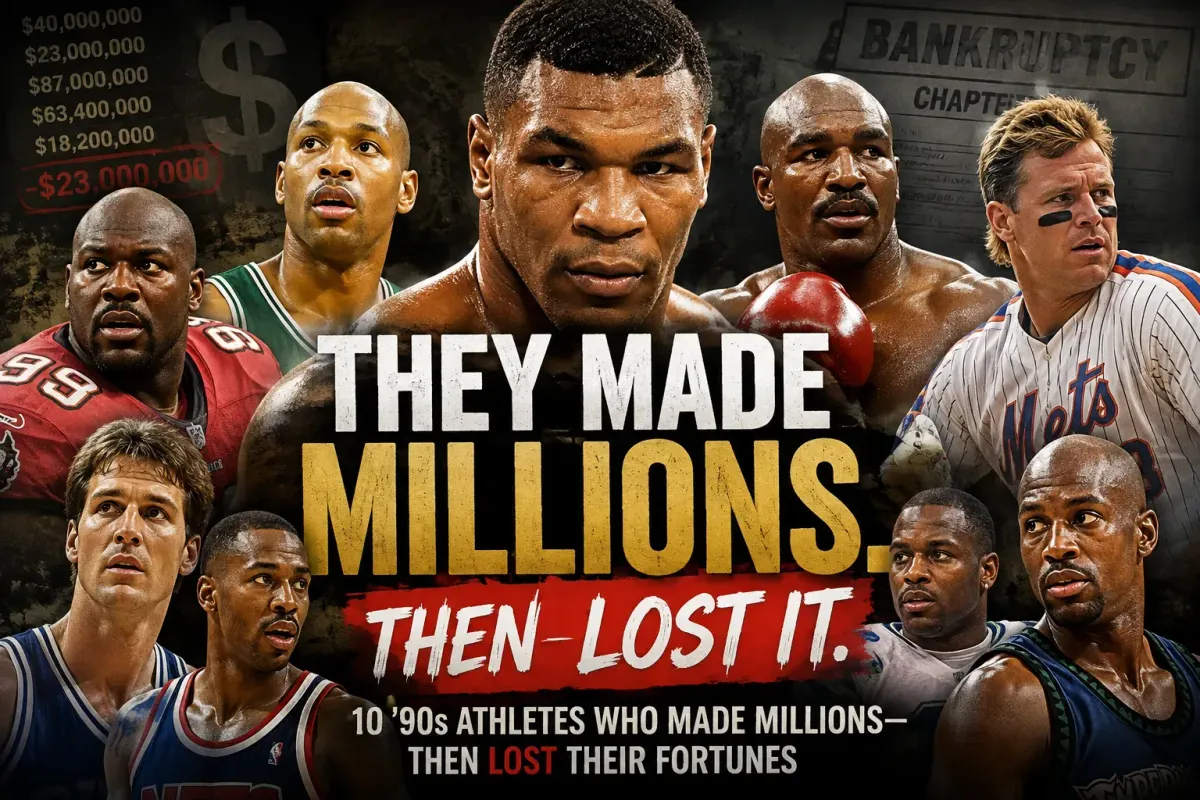
They were some of the biggest sports stars of the 1990s. They signed multimillion-dollar contracts, lived like superstars and appeared set for life. Then the money started disappearing.
The 1990s transformed professional sports—and the amount of money athletes could make. NBA salaries climbed to levels that would have seemed impossible a decade earlier, NFL quarterbacks became multimillionaires, and boxing’s biggest champions could earn tens of millions of dollars in a single night.
But making millions and keeping millions are two very different skills. Bad investments, failed businesses, gambling, taxes, divorces, enormous lifestyles and long-running financial obligations turned several celebrated careers into cautionary tales.
“Lost their fortunes” does not mean every athlete became literally penniless. Several filed for bankruptcy, while others suffered major financial losses without doing so.
10. Warren Sapp
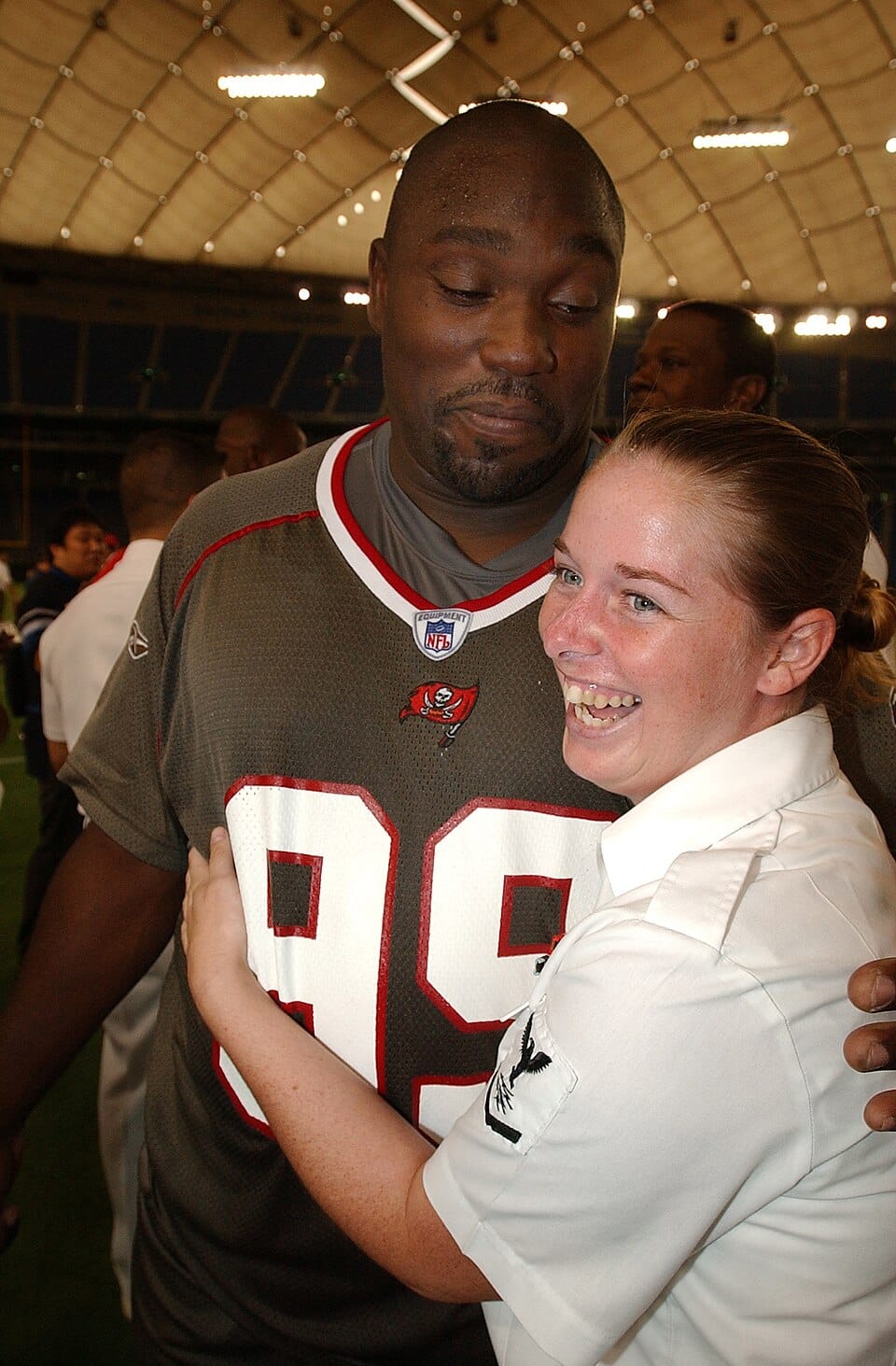
Warren Sapp was one of the NFL’s most intimidating defensive players, earning seven Pro Bowl selections, winning a Super Bowl with Tampa Bay and becoming one of the defining defensive tackles of his generation. His 13-year career produced millions in salary and made him one of the league’s most recognizable personalities.
In 2012, however, Sapp filed for Chapter 7 bankruptcy. The filing listed about $6.45 million in assets and more than $6.7 million in liabilities, including child-support and alimony obligations. His case showed how dramatically income can fall when a playing career ends while the expenses built during those peak-earning years continue.
9. Christian Laettner

Christian Laettner will always be linked to one of college basketball’s most famous shots: his buzzer-beater against Kentucky in the 1992 NCAA Tournament. He went on to play 13 NBA seasons and earned more than $60 million in salary.
Laettner’s financial problems were driven less by extravagant purchases than by an attempt to turn one fortune into a much larger one. He and business partner Brian Davis invested heavily in real estate, but struggling ventures led to lawsuits and unpaid loans. Reports eventually placed his obligations at roughly $30 million—a reminder that fortunes can disappear through ambitious investments just as quickly as they can through spending.
8. Kenny Anderson
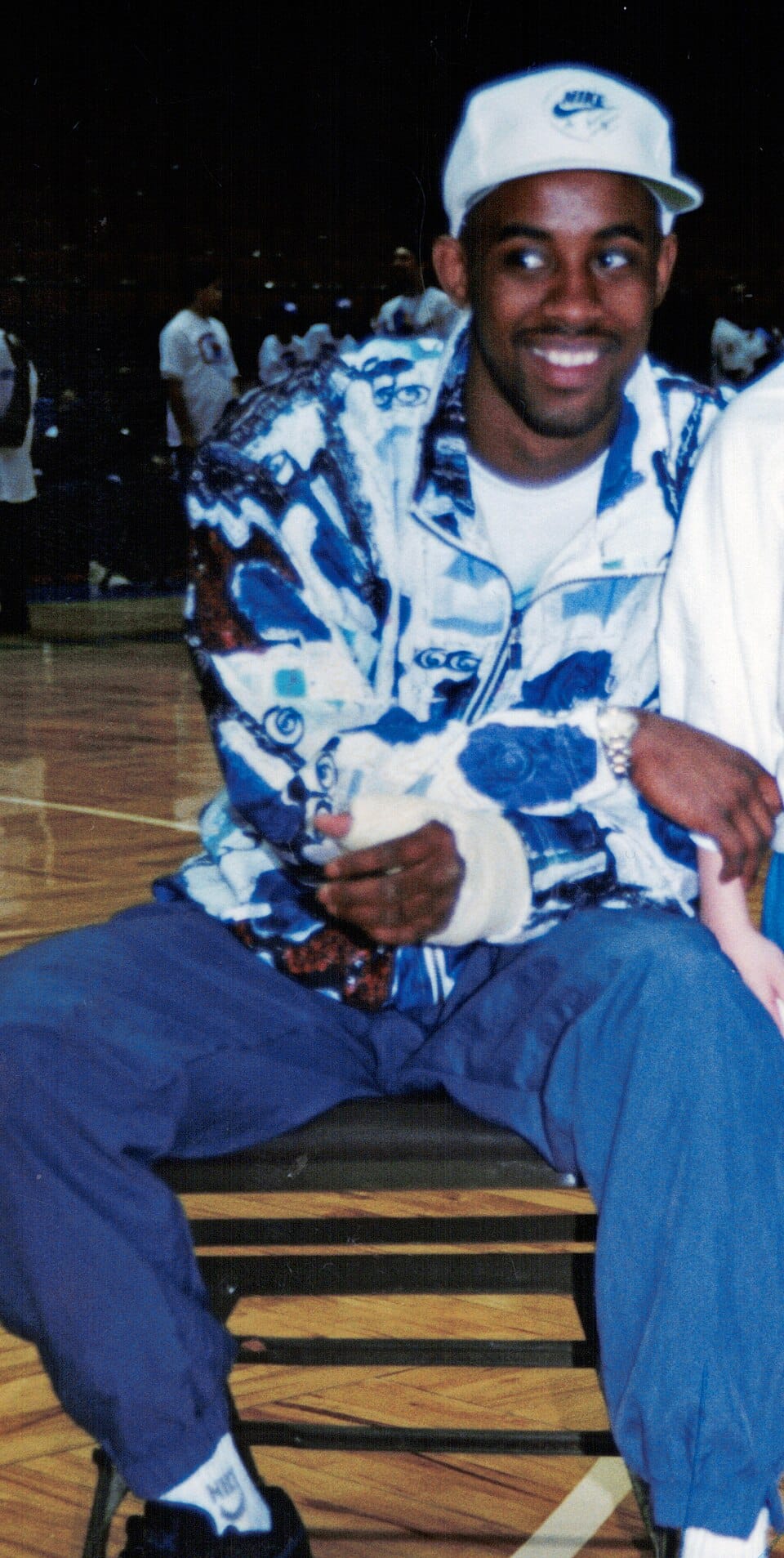
Kenny Anderson entered the NBA as the No. 2 overall pick in 1991, became an All-Star with the New Jersey Nets and spent 14 seasons in the league. Over that career, the gifted point guard earned approximately $63.4 million in salary.
Shortly after his NBA career ended, Anderson filed for bankruptcy in 2005. Child-support commitments and the cost of supporting a large family were major sources of financial pressure. His story is striking precisely because the earnings were so substantial: more than $60 million still did not guarantee lifelong security once the paychecks stopped.
7. Derrick Coleman
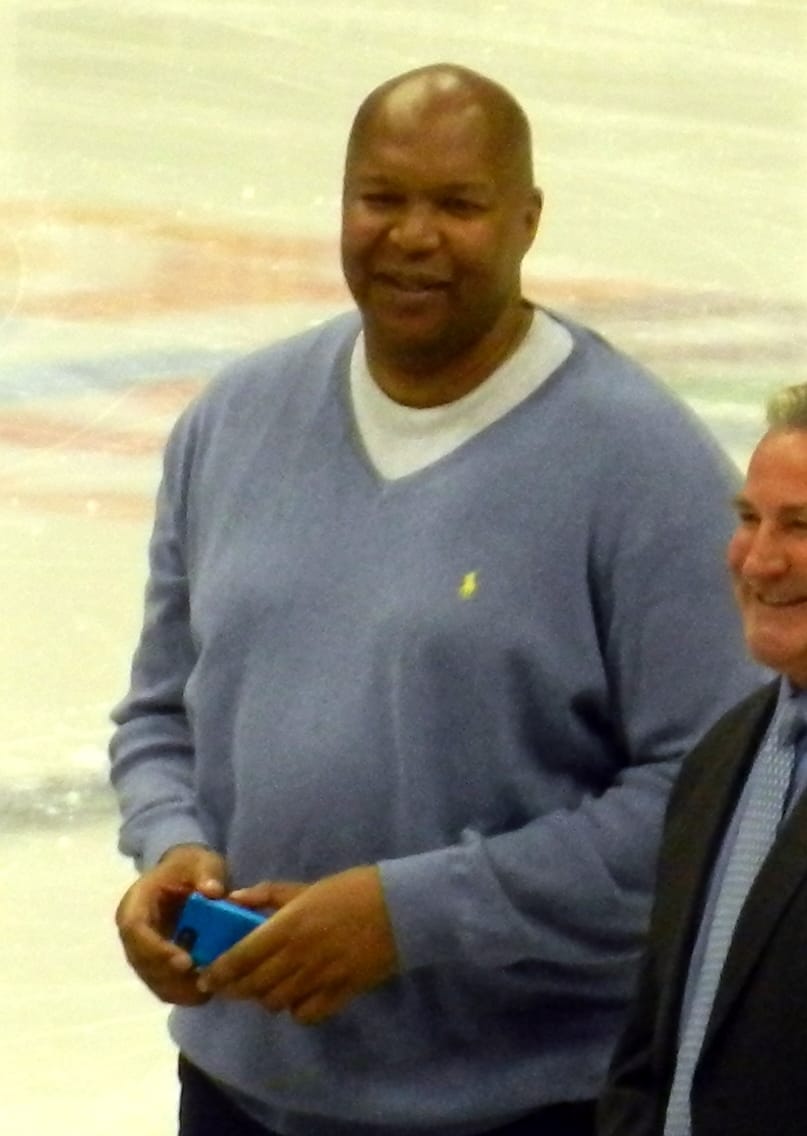
Derrick Coleman arrived in the NBA with enormous expectations. The No. 1 pick in the 1990 draft won Rookie of the Year and eventually earned approximately $87 million during his professional career.
His financial collapse did not follow the usual tale of endless luxury purchases. Coleman invested heavily in Detroit-area development projects, hoping to take part in the revival of struggling neighborhoods. When the real-estate market deteriorated, those ventures fell with it. He filed for bankruptcy in 2010, with his attorney pointing to the economic downturn and the collapse of the property market. Good intentions, his story showed, do not eliminate investment risk.
6. Lenny Dykstra
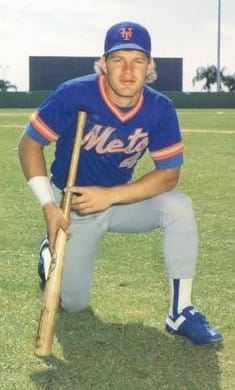
Lenny Dykstra played baseball with a full-speed intensity that made him a fan favorite and helped him earn approximately $36.5 million before retiring in 1998. After baseball, he reinvented himself as an investor, entrepreneur and financial commentator, surrounding himself with the symbols of a new business empire: a Maybach, private flights, a mansion once owned by Wayne Gretzky and even a financial magazine aimed at professional athletes.
The empire did not last. Dykstra filed for Chapter 11 bankruptcy in 2009, reporting no more than $50,000 in assets and liabilities estimated between $10 million and $50 million. It was a spectacular reversal from a career built on both athletic success and post-retirement ambition.
5. Mark Brunell
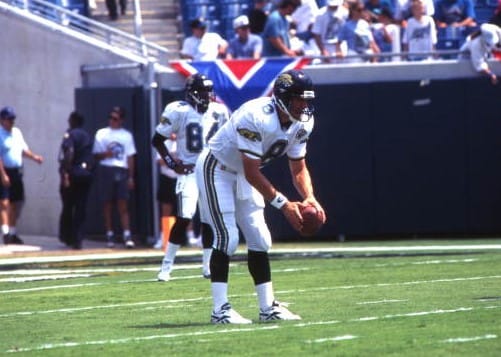
Mark Brunell helped turn the young Jacksonville Jaguars into an NFL contender and became one of the standout quarterbacks of the 1990s. His playing career brought in more than $50 million.
Real-estate investments, not a stereotypically lavish lifestyle, caused most of Brunell’s trouble. When those projects failed, personal guarantees on business loans left him exposed. His 2010 Chapter 11 filing listed $5.5 million in assets against $24.7 million in liabilities. Few cases illustrate more clearly how a personal guarantee can turn a struggling investment into an athlete’s private financial crisis.
4. Raghib “Rocket” Ismail
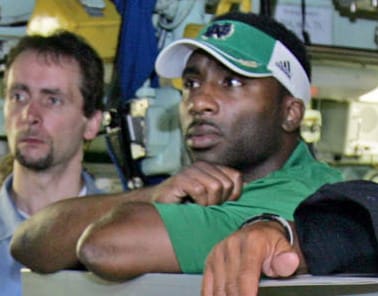
Before he played an NFL game, Raghib “Rocket” Ismail was already a financial phenomenon. In 1991, the former Notre Dame star stunned football by signing with the Toronto Argonauts on a four-year contract that guaranteed $18.2 million and could reportedly have reached $26.2 million. He later spent a decade in the NFL and earned more than $18 million there.
Ismail did plan for life after football—but his plans carried more risk than he realized. He put money into restaurants, entertainment ventures, a record company, a film project, retail concepts and cosmetics. Most failed, and reporting on his finances concluded that he had lost most of his fortune through investments by the time his playing career ended.
3. Antoine Walker
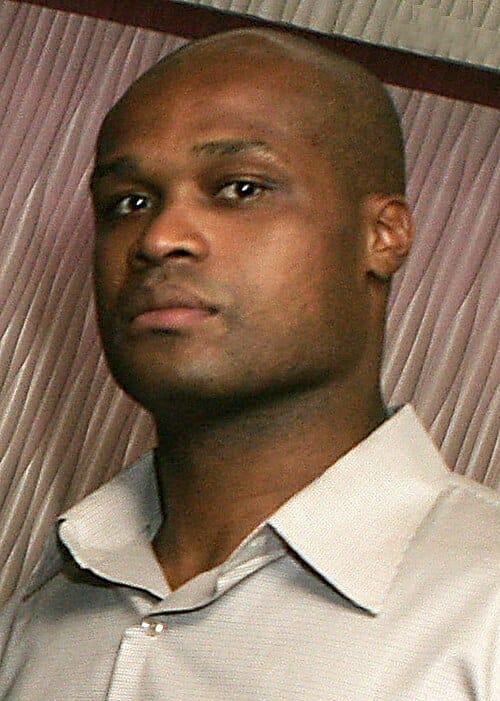
Antoine Walker became one of the NBA’s biggest stars of the late 1990s and early 2000s. The three-time All-Star earned approximately $107.7 million during a 12-year career, including a six-year, $71 million extension that was enormous for its era.
Walker filed for bankruptcy in 2010 with $4.3 million in assets and $12.7 million in liabilities. Gambling, expensive homes, cars and jewelry played a role, as did unsuccessful investments and his willingness to support a wide circle of friends and family. He later spoke publicly about what went wrong and became an advocate for financial education among professional athletes. More than $100 million earned, and nearly all of it gone, remains one of basketball’s most dramatic reversals.
2. Evander Holyfield
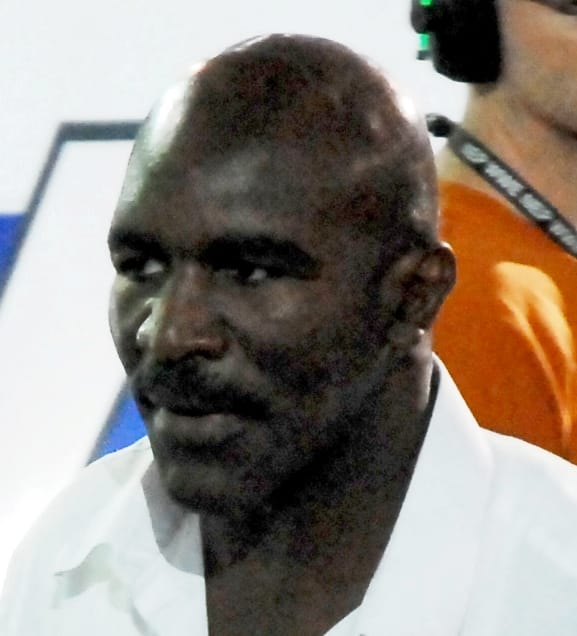
Four-time heavyweight champion Evander Holyfield reportedly earned nearly $250 million during his boxing career, a figure that makes his later financial struggles especially startling. By 2008, his enormous Atlanta-area estate had entered foreclosure.
Holyfield has pointed to failed investments, multiple divorces, child-support obligations and unsuccessful businesses as contributors. The Black Family Channel reportedly cost him millions, while a record-company venture reportedly lost more than $3 million. It is important to note that Holyfield did not file for bankruptcy and descriptions of him as literally penniless overstate what happened. Still, a career that generated an estimated quarter-billion dollars reached the point where one of America’s most famous private homes faced foreclosure.
1. Mike Tyson
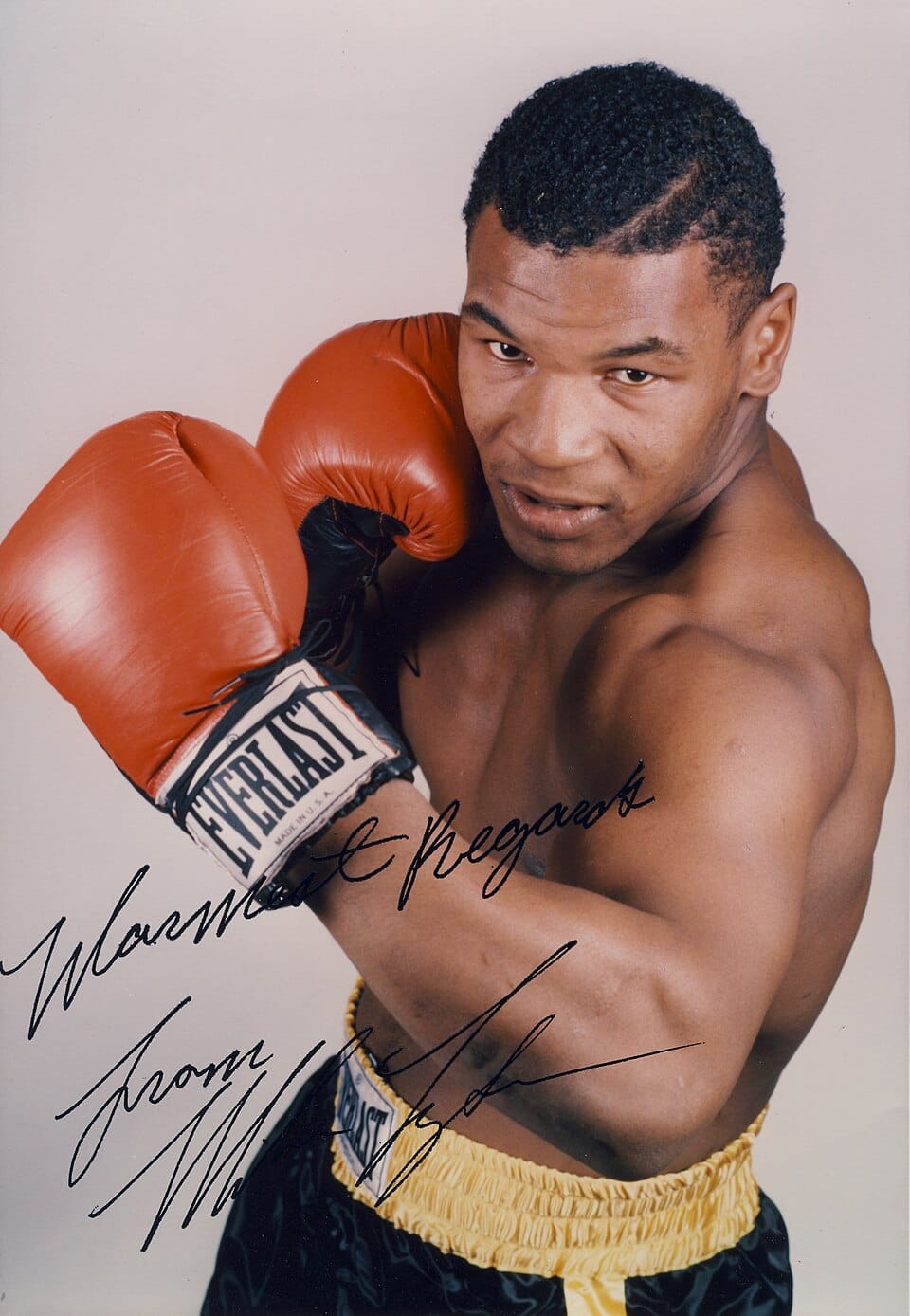
Mike Tyson became the youngest heavyweight champion in boxing history and one of the most recognizable athletes on the planet. Huge fight purses followed throughout the 1990s, and estimates of his wealth at its peak have reached roughly $300 million.
His spending became nearly as famous as his knockouts: luxury homes, cars, jewelry, exotic animals, a large staff, parties and enormous personal expenses. By 2003, Tyson had filed for bankruptcy with approximately $23 million in reported debt. The former champion had gone from making tens of millions in the ring to owing tens of millions outside it.
His story did not end there. Tyson later rebuilt a business and entertainment career through media appearances, live entertainment and entrepreneurial ventures—a reminder that financial collapse does not have to be the final chapter.
The million-dollar lesson
The details differ, but the pattern is remarkably consistent. Some athletes overspent or gambled. Others trusted the wrong people or placed enormous sums into businesses and real estate that collapsed. Many allowed their financial obligations and lifestyles to grow as quickly as their bank accounts.
Income isn’t wealth.
Professional athletes face an unusual challenge because their peak earning years can be incredibly short. The contract ends, the endorsements disappear and the career moves on—but mortgages, taxes and family obligations remain. Unless something changes, the lifestyle often remains too.
That is why the most important number in these stories is not how much the athletes earned. It is how much they managed to keep. When the cheering stops, that is the number that matters.
ends, the endorsements disappear and the career moves on—but mortgages, taxes and family obligations remain. Unless something changes, the lifestyle often remains too.That is why the most important number in these stories is not how much the athletes earned. It is how much they managed to keep. When the cheering stops, that is the number that matters.
Recommended

What Would Your Wizarding Career Be?
Answer 25 personality questions and discover whether you're destined to be an Auror, Healer, Professor, Curse-Breaker, Wandmaker or another wizarding professional.

10 of the Most Recognizable Careers in the Harry Potter Wizarding World
From Aurors and Healers to Hogwarts professors and Quidditch players, explore 10 of the most recognizable jobs in the Harry Potter Wizarding World.

Exosquad at 33: The ’90s Cartoon That Treated Space War Like It Mattered
Thirty-three years after its premiere, Exosquad remains a remarkably ambitious animated war epic built on serialized storytelling, political consequence and unforgettable E-frames.