
The Technology Graveyard: 25 Gadgets We Thought Would Last Forever
From VCRs and pagers to PalmPilots and portable DVD players, revisit 25 once-essential gadgets that technology left behind.
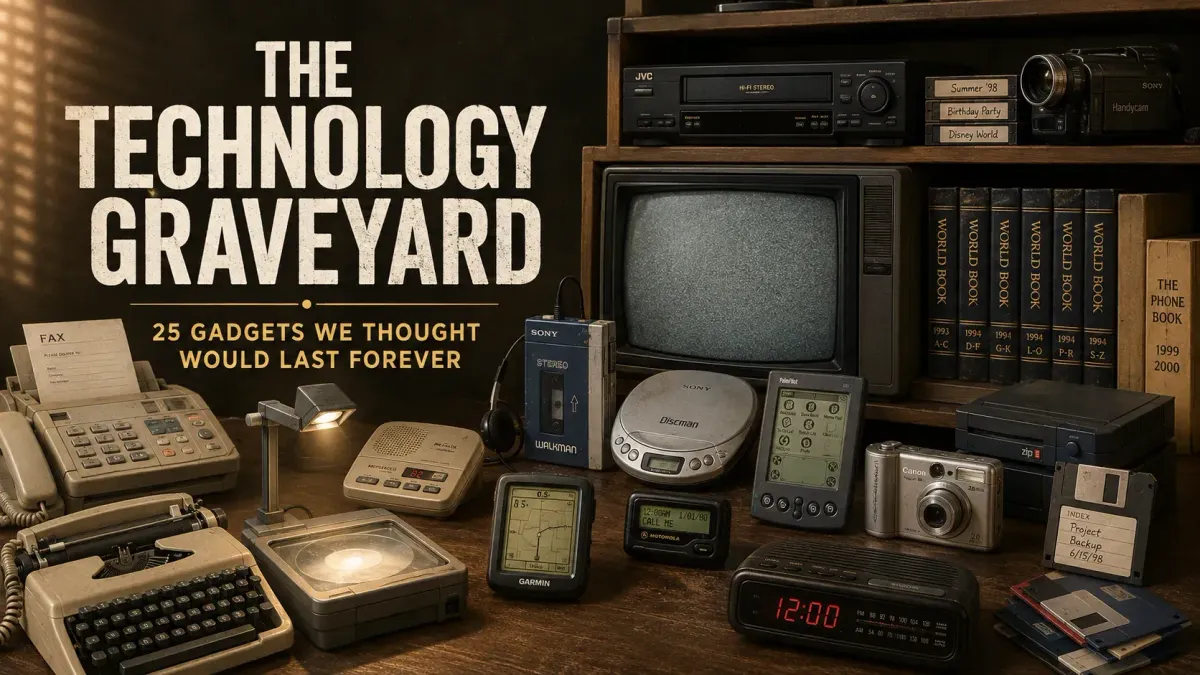
For a while, they seemed permanent. The VCR sat beneath the television. The answering machine blinked on the kitchen counter. Every computer had a floppy drive, every traveler carried a paper map, and every respectable home entertainment system had a tower of CDs nearby.
Then, almost without warning, they disappeared.
Technology rarely vanishes because people stop liking it. More often, another device comes along that performs the same job faster, cheaper, or as one small feature among dozens. Here are 25 once-essential gadgets that seemed destined to stick around forever.
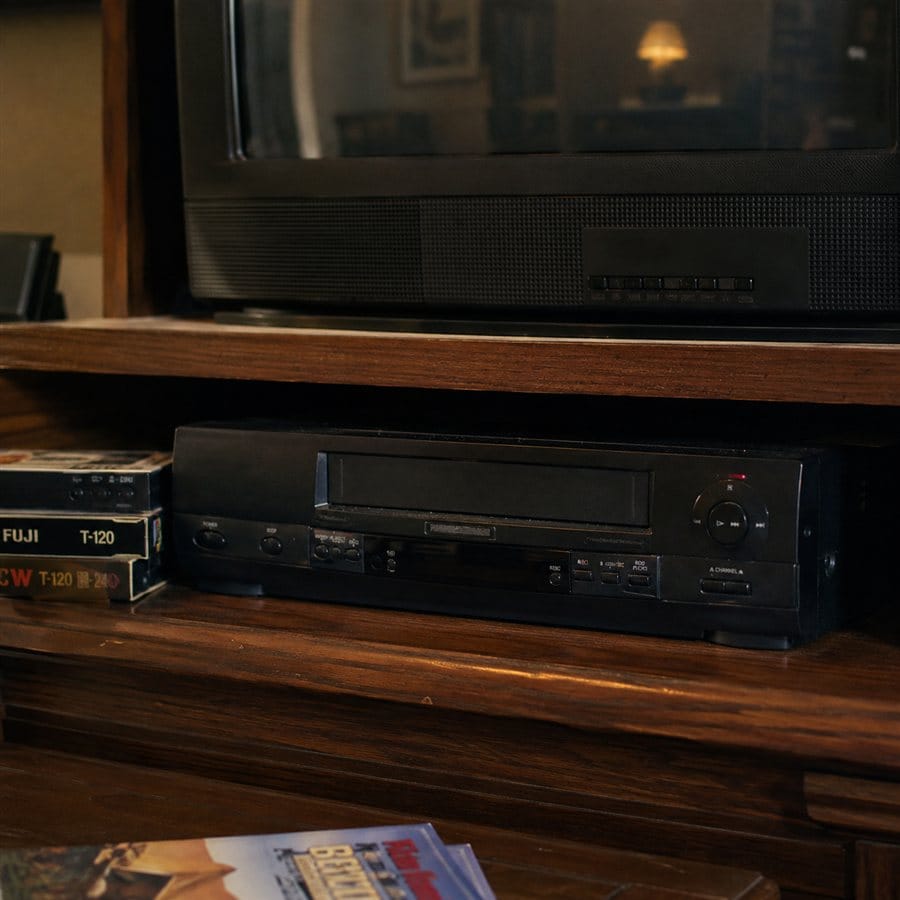
1. The VCR
There was a time when recording television meant programming a blinking digital clock and hoping you entered everything correctly.
VCRs transformed home entertainment by letting families record shows, rent movies, and build enormous VHS collections. DVD players began pushing them aside in the late 1990s, while DVRs and streaming eventually eliminated nearly every reason to own one.
What replaced it: Streaming services, DVRs, and digital video.
2. The Portable CD Player
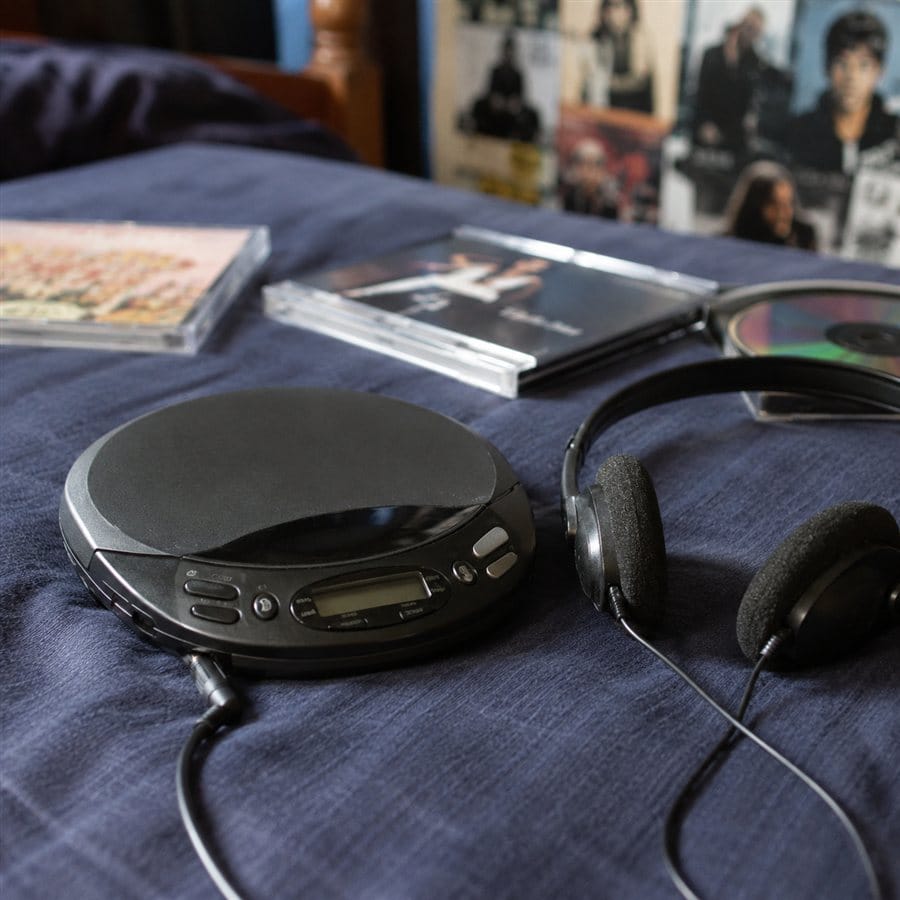
The Sony Discman and its competitors gave an entire generation portable access to their CD collections.
Unfortunately, walking too quickly could make the music skip, and carrying more than a few albums meant hauling around a giant zippered CD wallet.
What replaced it: MP3 players and smartphones.
3. The Cassette Walkman
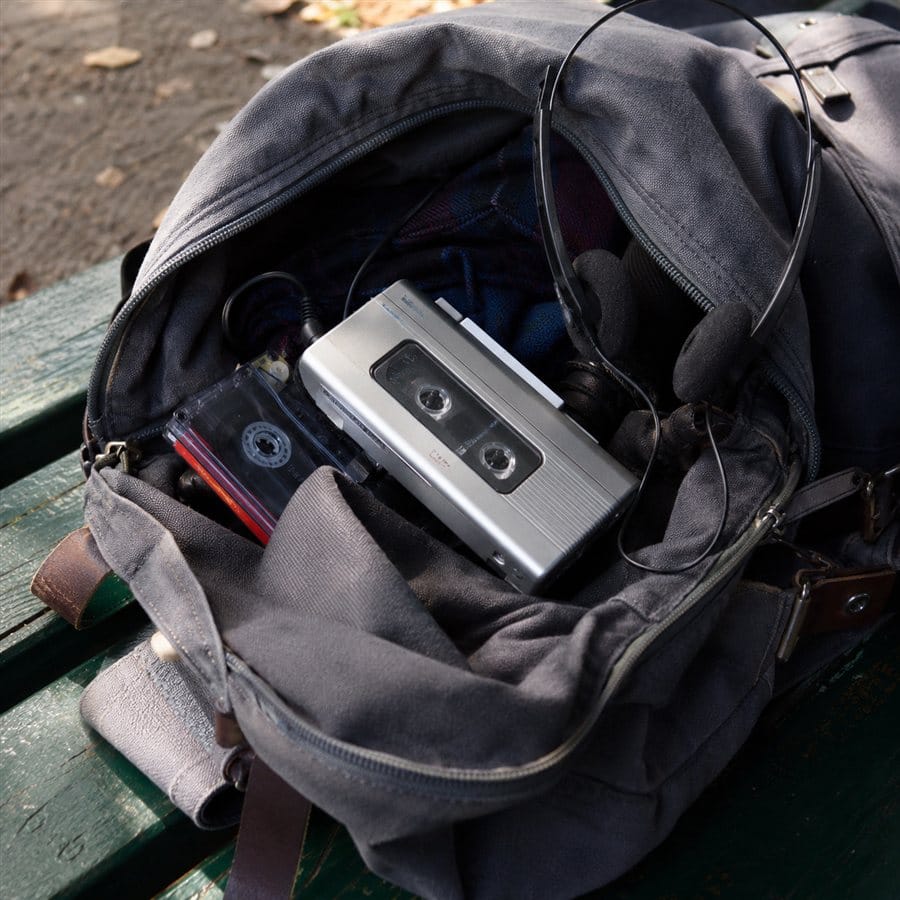
Before playlists were digital, they were recorded onto cassette tapes.
The Walkman made music truly portable and became one of the defining gadgets of the 1980s. Millions of people spent years untangling headphone wires and rewinding tapes with pencils.
What replaced it: Portable CD players, MP3 players, and smartphones.
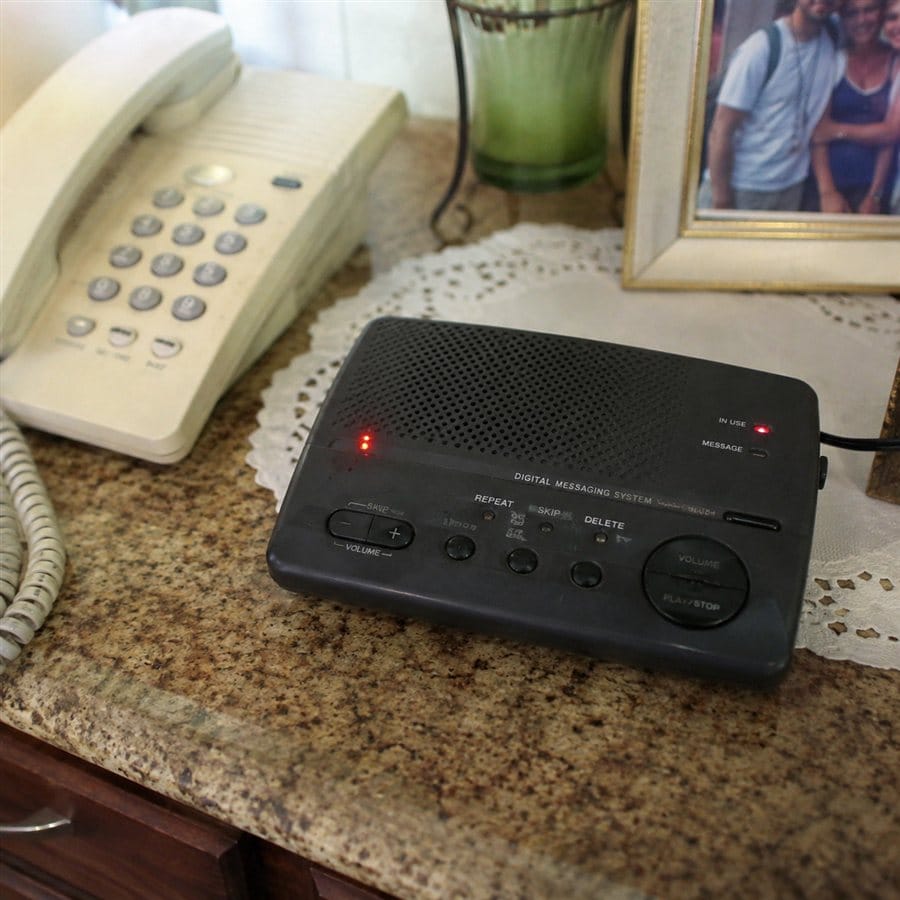
4. The Answering Machine
Coming home once meant checking a flashing red light to see who had called.
Standalone answering machines became fixtures in American homes during the 1980s and 1990s. Eventually, voicemail moved the entire function into the telephone network.
What replaced it: Voicemail, texting, and smartphones.
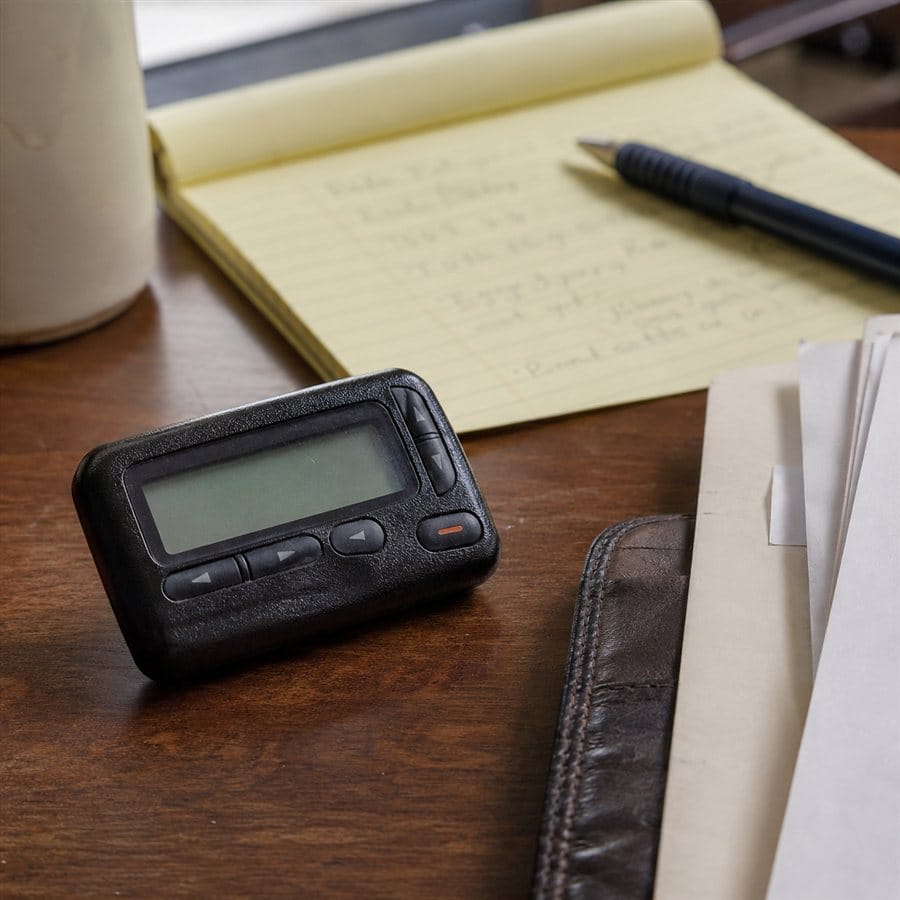
5. The Pager
For doctors, executives, technicians, and teenagers trying to look important, pagers were once the fastest way to stay reachable.
Someone could send you a phone number, but actually finding out what they wanted usually required locating a telephone.
What replaced it: Cell phones and text messaging.
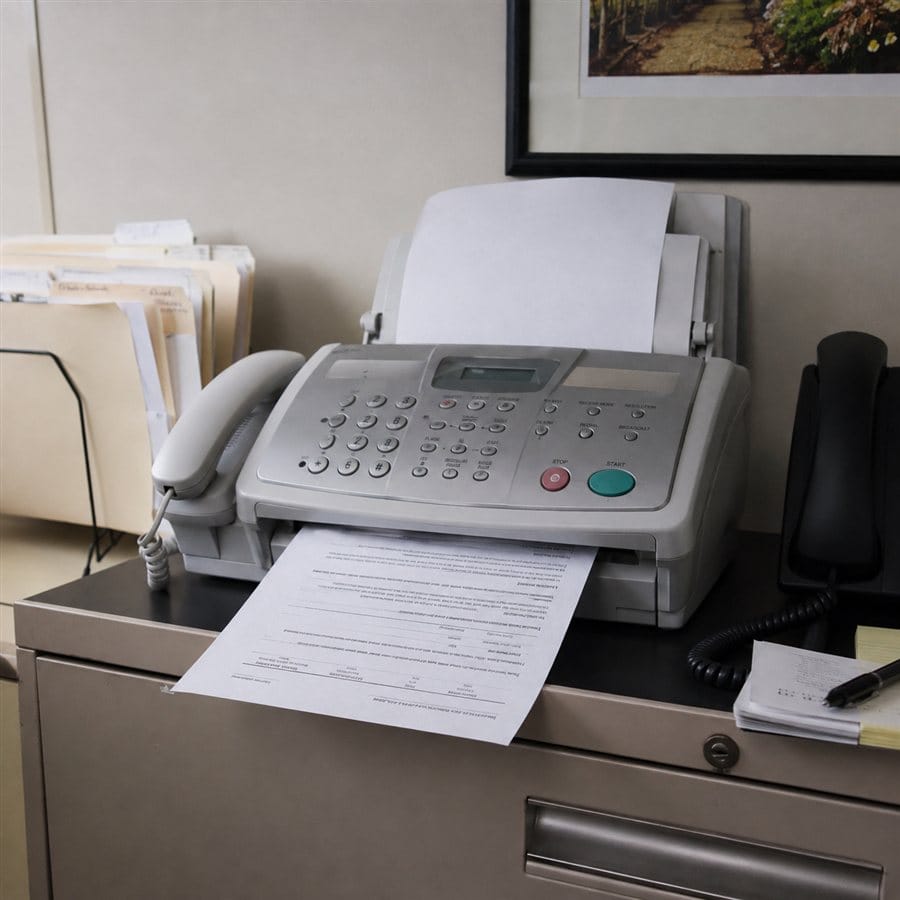
6. The Fax Machine
For decades, sending a document instantly across the country felt almost miraculous.
Offices depended on fax machines for contracts, forms, orders, and signatures. Email attachments, scanners, electronic signatures, and cloud documents gradually made that screeching connection sound a relic of another era.
What replaced it: Email, PDFs, cloud storage, and electronic signatures.
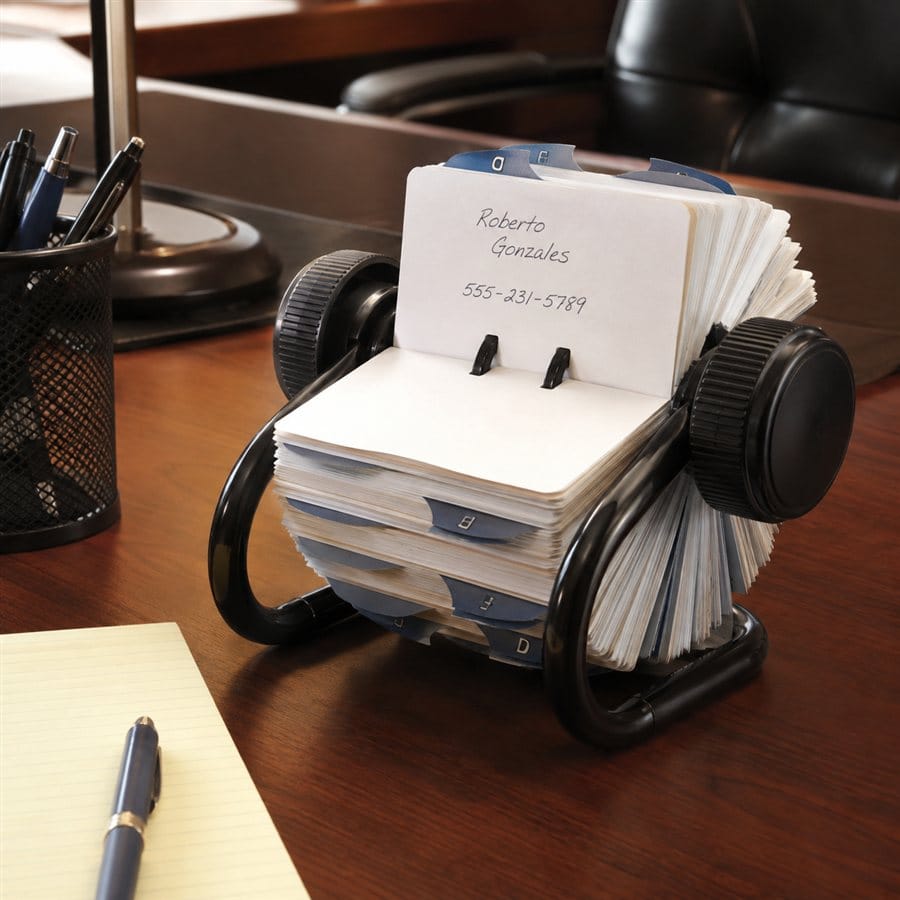
7. The Rolodex
Before digital contact lists, business relationships lived on hundreds of rotating index cards.
A well-maintained Rolodex could represent decades of professional connections.
What replaced it: Smartphones, email contacts, CRM software, and LinkedIn.
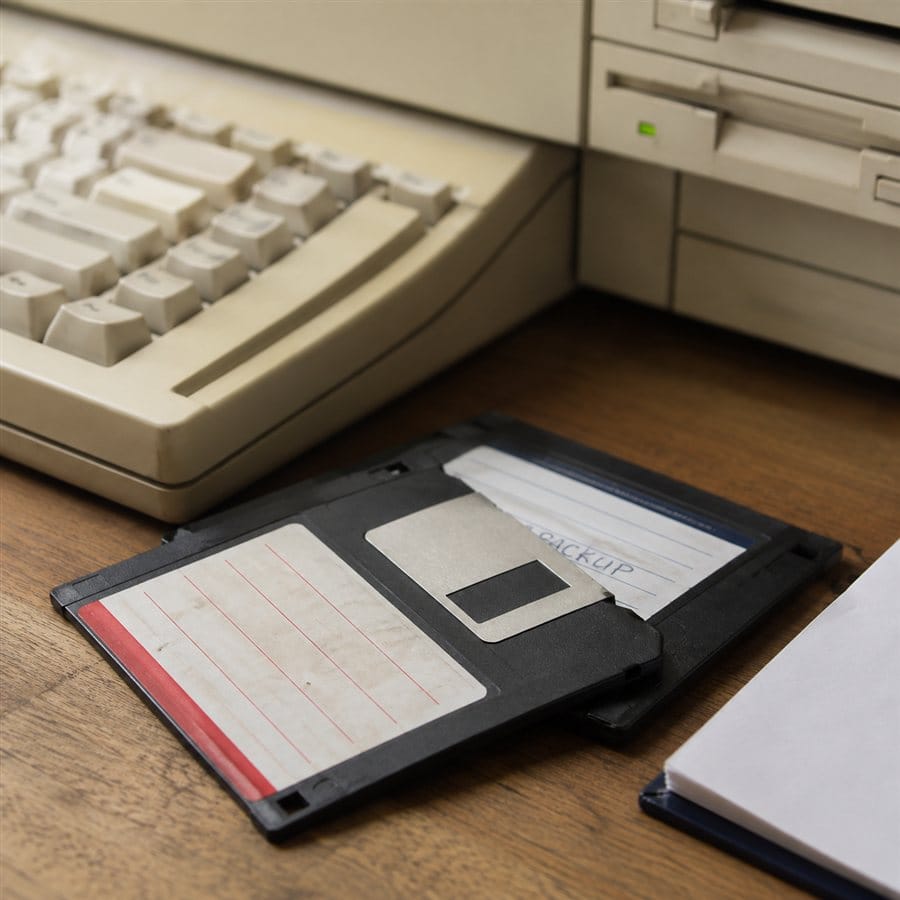
8. The Floppy Disk
For years, the floppy disk was practically synonymous with saving computer files.
The familiar 3.5-inch disk became so closely associated with saving data that its shape survives today as the save icon in countless software programs.
What replaced it: CDs, USB drives, external drives, and cloud storage.
9. The Zip Drive
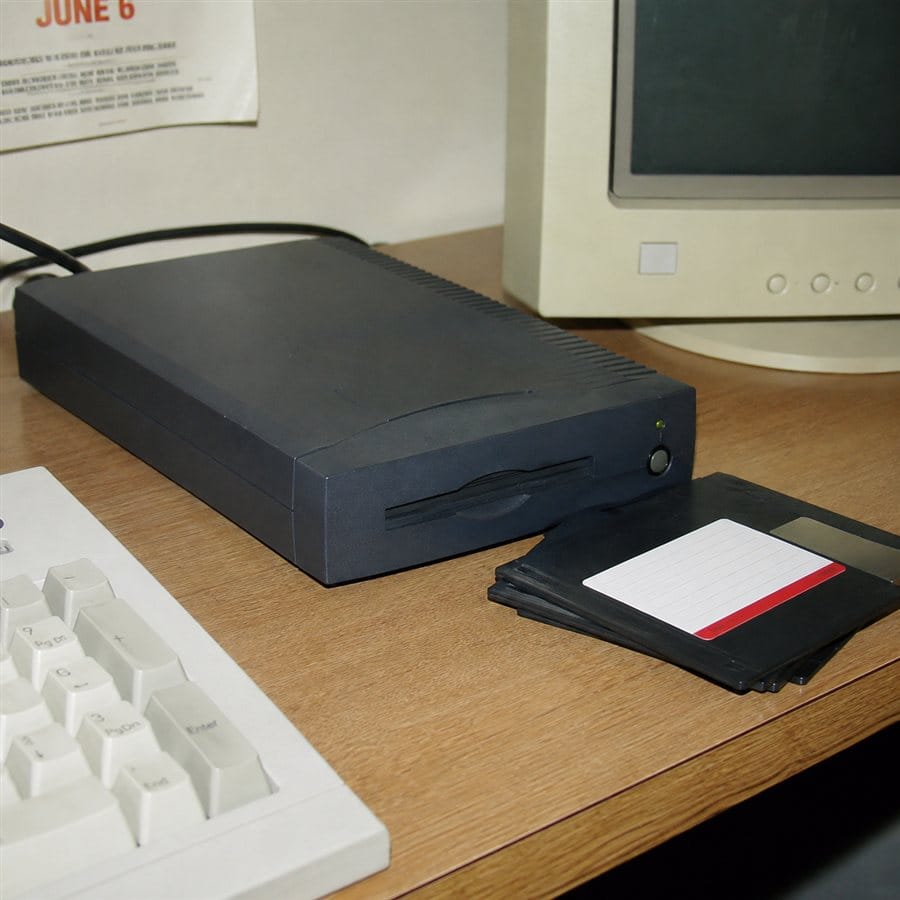
When floppy disks became too small but CD burners were still inconvenient, the Zip drive seemed like the perfect solution.
Its 100 MB disks felt enormous in the mid-1990s.
Then storage technology improved so quickly that the Zip drive's moment passed almost as quickly as it arrived.
What replaced it: Recordable CDs, USB flash drives, and external hard drives.
10. The PalmPilot
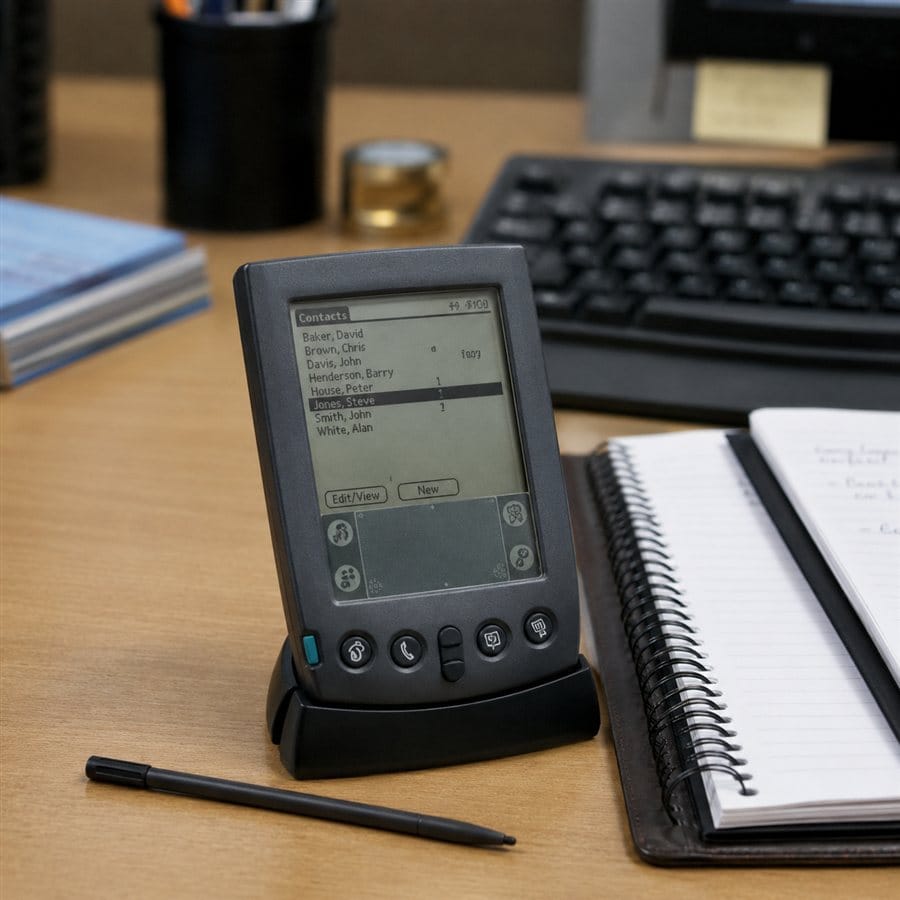
Before the smartphone, there was the personal digital assistant.
PalmPilots kept calendars, contacts, notes, and appointments in your pocket. Users even learned a special handwriting system called Graffiti to enter text.
For a few years, it looked like the future of personal computing.
It was. Just not for very long.
What replaced it: Smartphones.
11. The Dedicated GPS
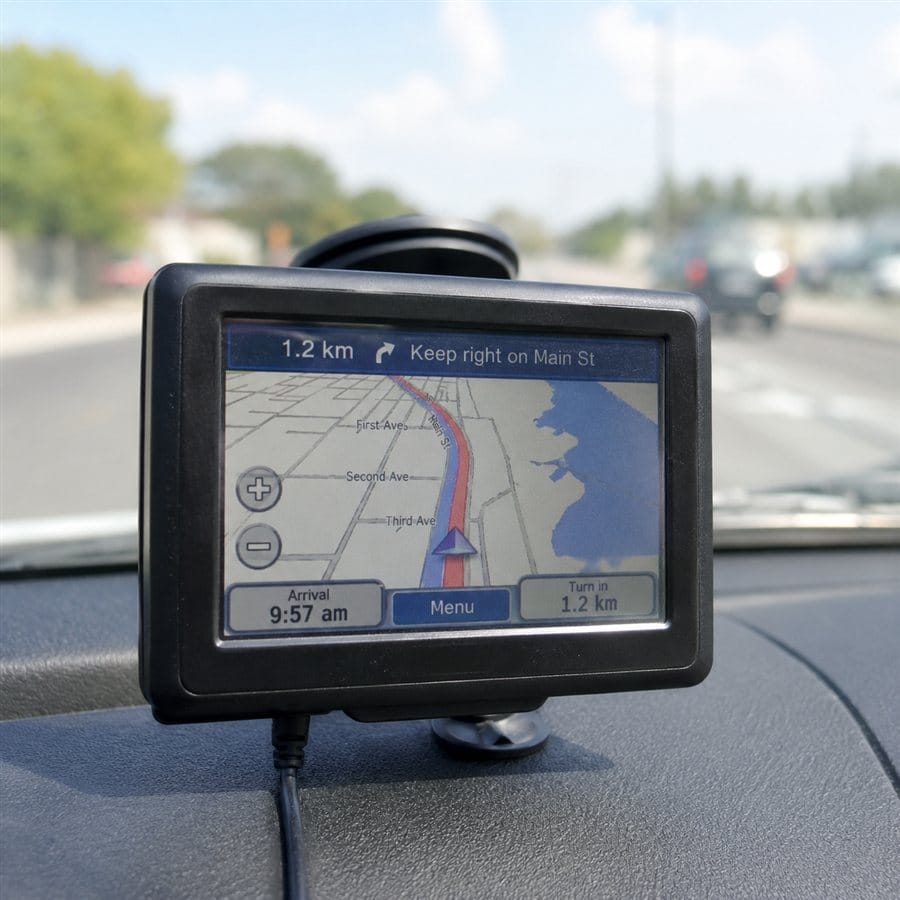
A dashboard-mounted Garmin or TomTom once felt revolutionary.
No more unfolding giant highway maps or printing turn-by-turn directions before leaving home.
Then smartphones gained GPS, navigation apps, real-time traffic information, and constantly updated maps.
What replaced it: Google Maps, Apple Maps, Waze, and smartphone navigation.
12. The Digital Camera
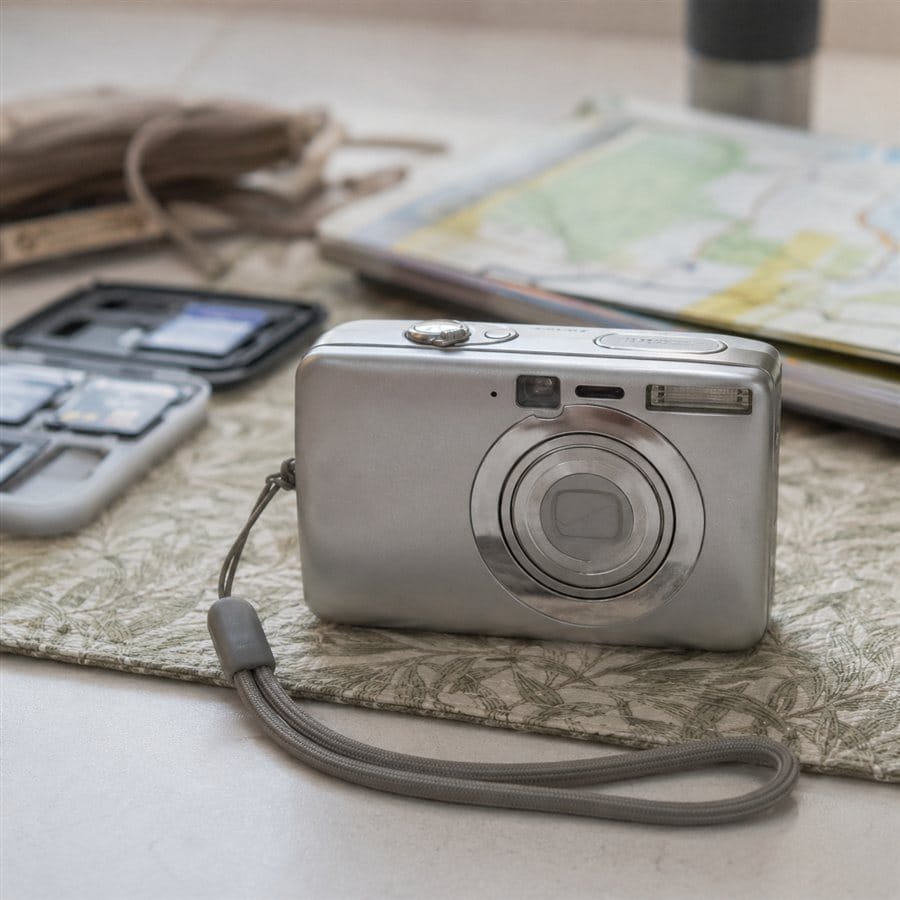
For a brief period, nearly everyone owned a compact digital camera. Vacations, birthdays, school events, and family gatherings were captured on tiny memory cards and transferred to computers later.
Smartphone cameras eventually became good enough that carrying a second device no longer made sense for most people.
What replaced it: Smartphones.
13. The Camcorder
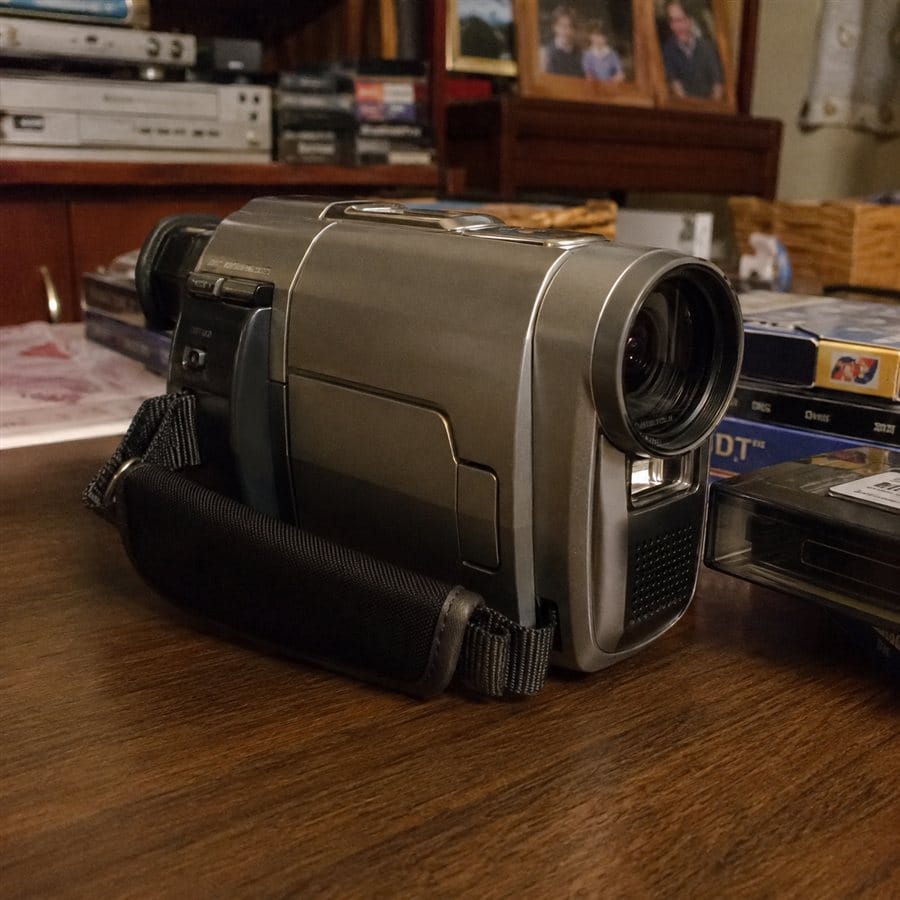
Family memories once required an entire piece of luggage. Camcorders evolved from shoulder-mounted VHS monsters to compact MiniDV models, but recording video remained a dedicated activity.
Now nearly everyone carries a high-definition video camera in a pocket.
What replaced it: Smartphones and action cameras.
14. The Clock Radio
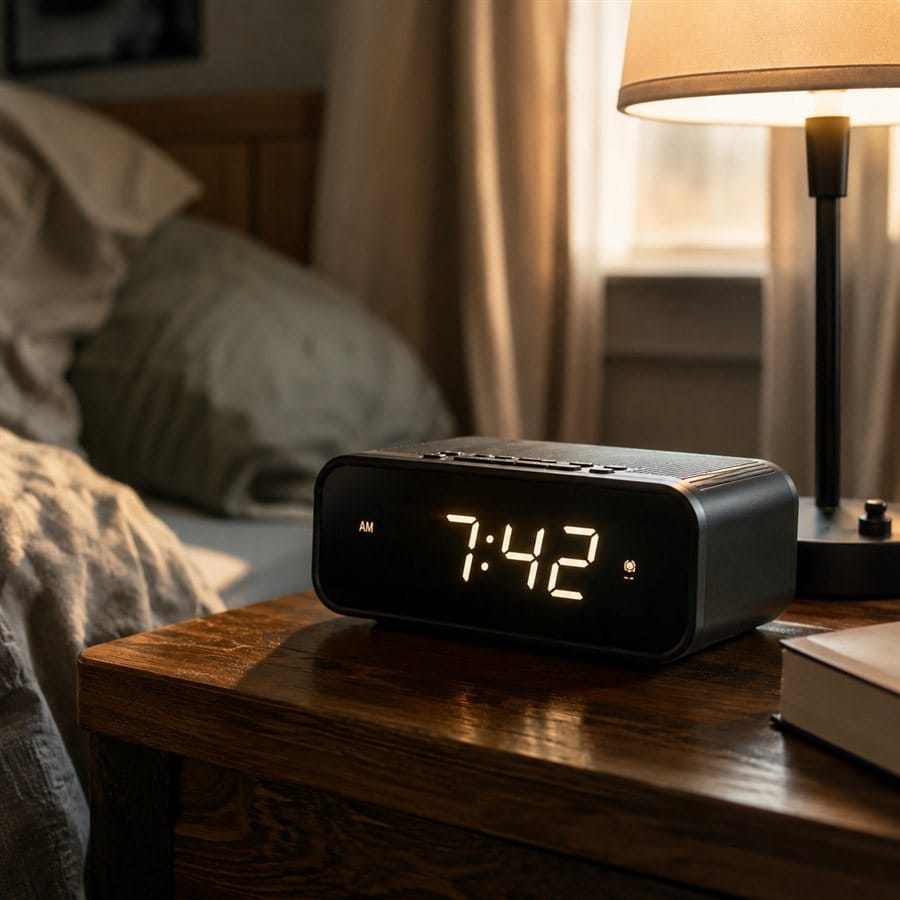
For generations, millions of bedrooms contained essentially the same device: a digital alarm clock with an AM/FM radio built into it.
It woke you up, told you the time, and occasionally scared you half to death when the alarm unexpectedly went off on a Saturday.
What replaced it: Smartphones and smart speakers.
15. The Landline Telephone
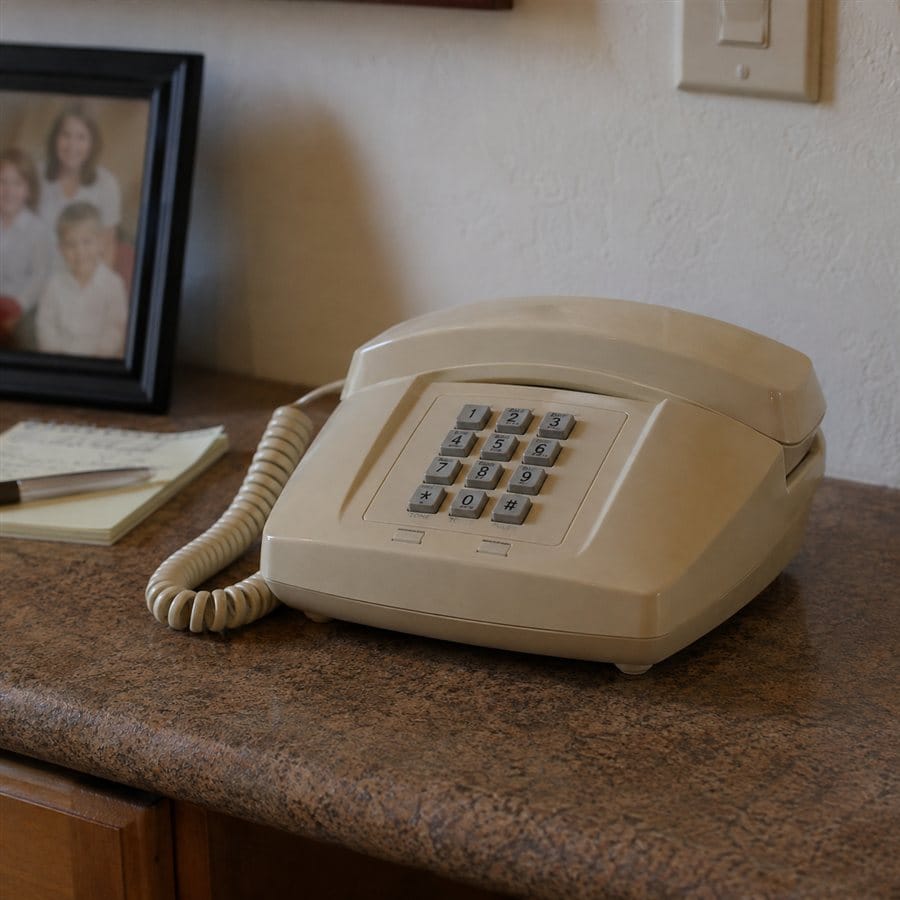
A home once had a phone number rather than every person having one. Families shared conversations, teenagers stretched cords into hallways, and answering a ringing phone meant having absolutely no idea who was calling.
Landlines still exist, but they are increasingly absent from everyday households.
What replaced it: Mobile phones.
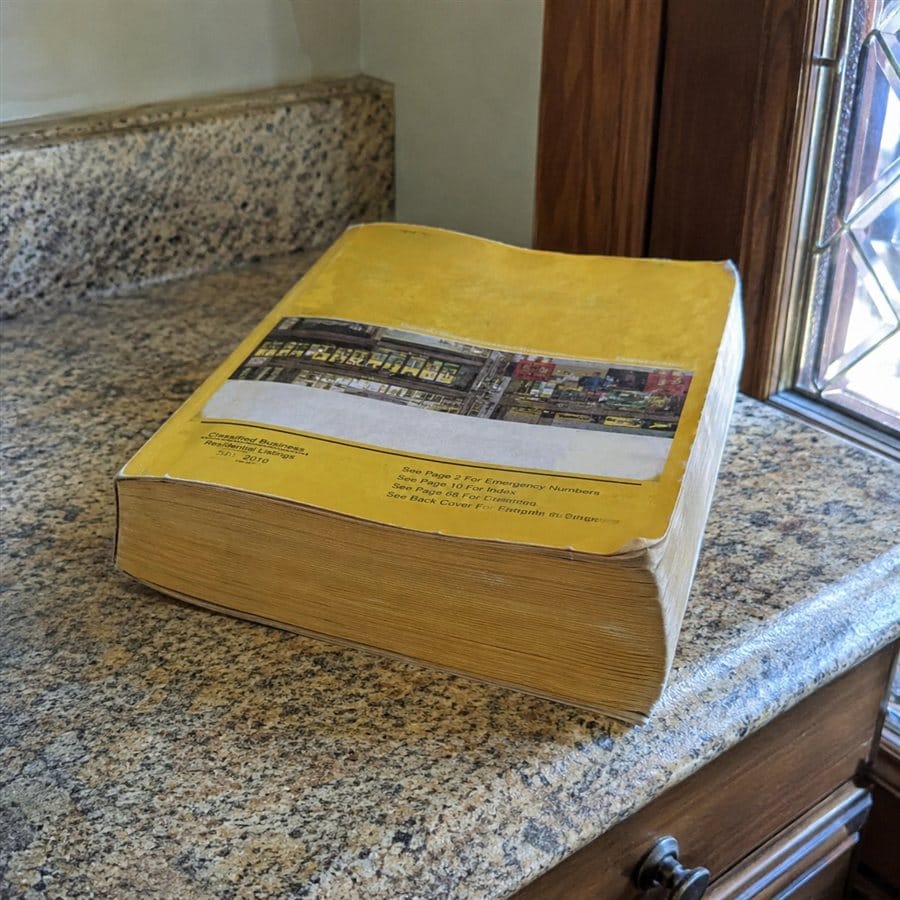
16. The Phone Book
Every year, enormous books containing thousands of names, addresses, and telephone numbers appeared on doorsteps. The Yellow Pages could also tell you where to find practically any local business.
Today, searching millions of businesses takes seconds.
What replaced it: Search engines, online directories, and smartphones.
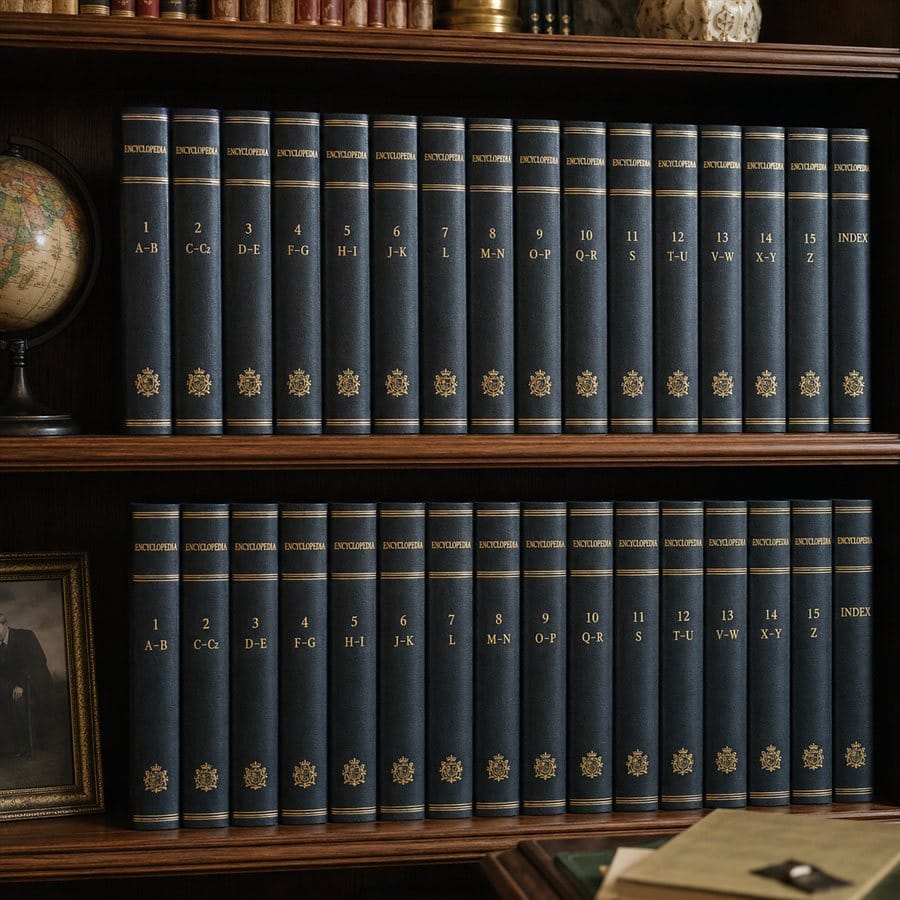
17. The Encyclopedia Set
A full encyclopedia collection was once a serious household investment. Students researching school projects might spend hours moving between volumes looking for information.
Today, those same students can access vastly more information almost instantly.
What replaced it: The internet, Wikipedia, and online reference databases.
18. The Typewriter
Typewriters survived for more than a century because they did one important thing extremely well. Even after personal computers appeared, typewriters remained common in homes and offices for years.
Eventually, word processors made editing, formatting, saving, copying, and printing dramatically easier.
What replaced it: Personal computers and word-processing software.

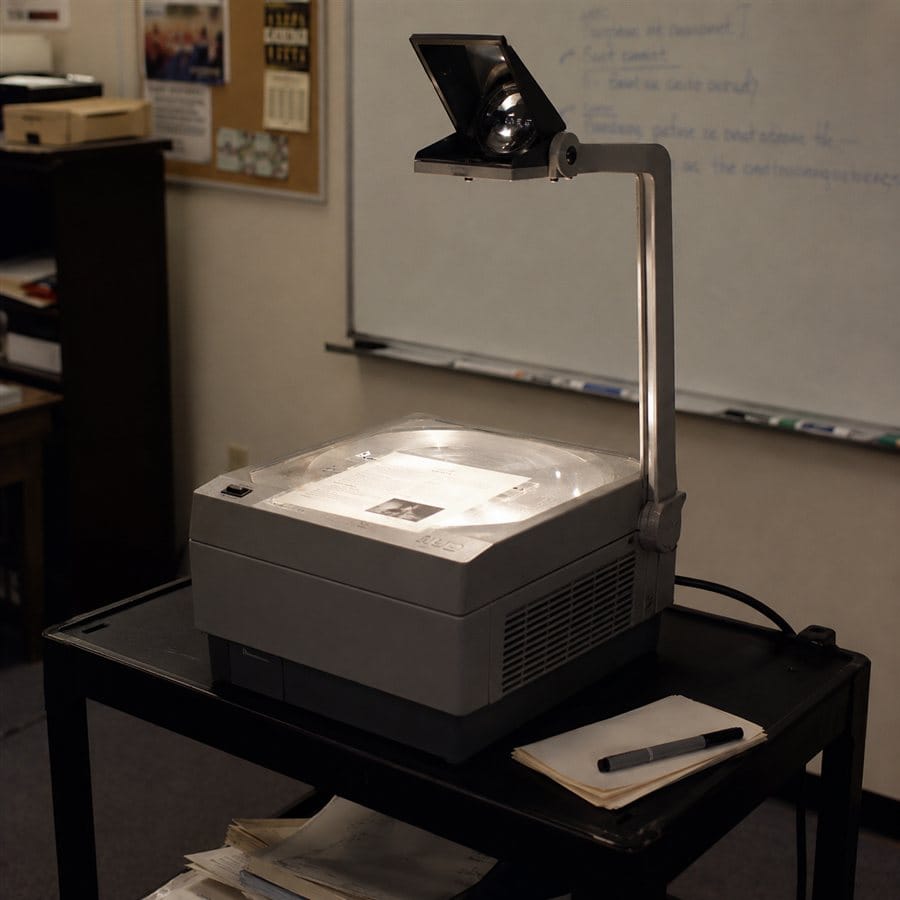
19. The Overhead Projector
For decades, classrooms and conference rooms relied on transparent plastic sheets placed on glowing overhead projectors. Teachers could even write directly onto transparencies while presenting.
Modern students may never experience the excitement of watching their teacher accidentally place the transparency upside down.
What replaced it: Digital projectors, interactive whiteboards, and large displays.
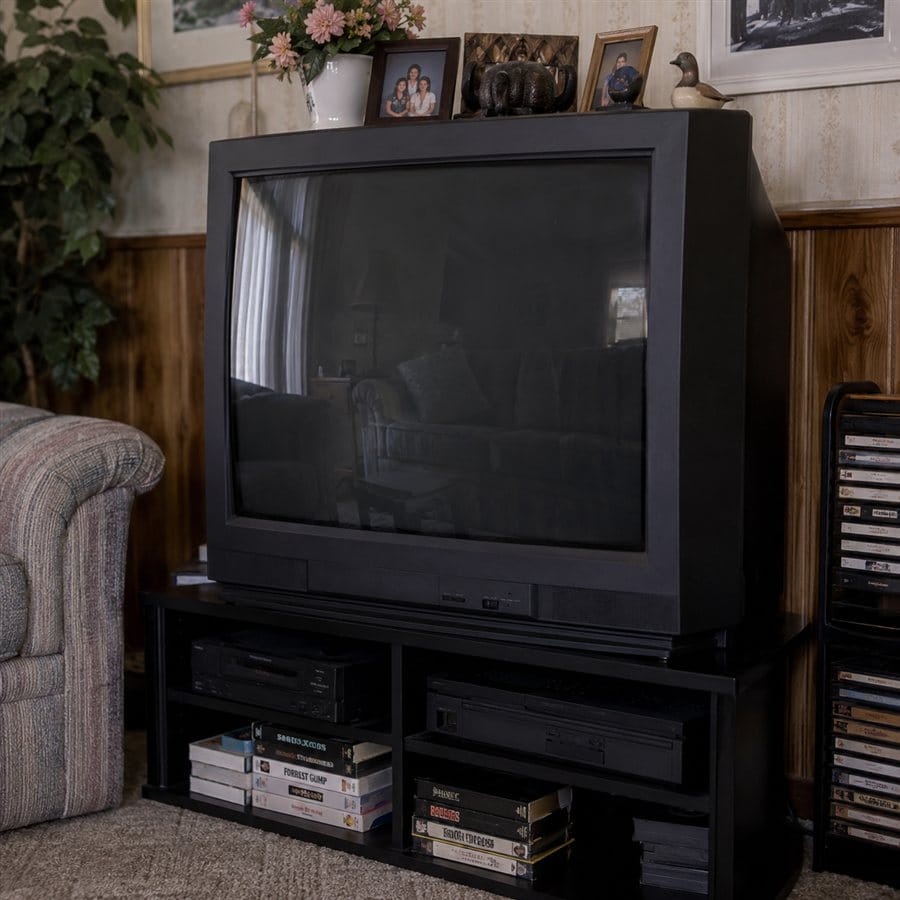
20. The CRT Television
For most of television history, TVs were enormous pieces of furniture. A 32-inch television could weigh more than many adults, and moving one upstairs was practically a team-building exercise.
Flat-panel displays rapidly changed television design during the 2000s.
What replaced it: LCD, LED, OLED, and other flat-panel TVs.
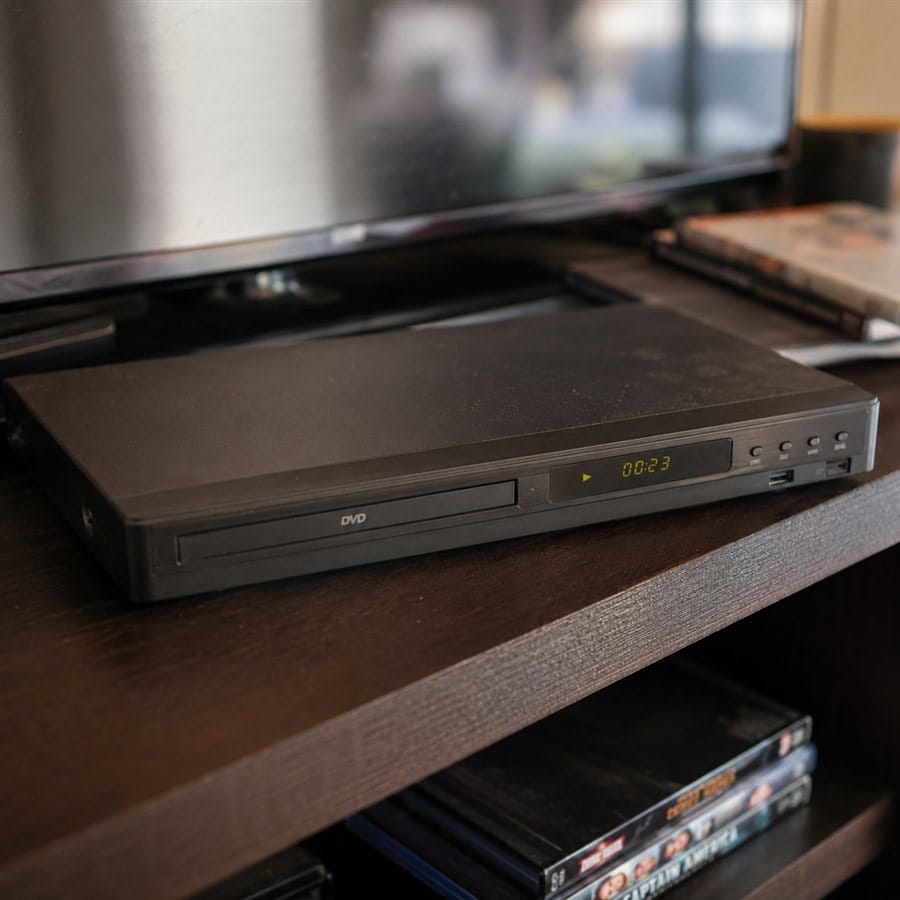
21. The DVD Player
DVD seemed nearly unstoppable. The discs were smaller than VHS tapes, picture quality was better, rewinding disappeared, and bonus features gave people another reason to collect movies.
Then broadband internet turned video itself into something that no longer needed a physical container.
What replaced it: Streaming.
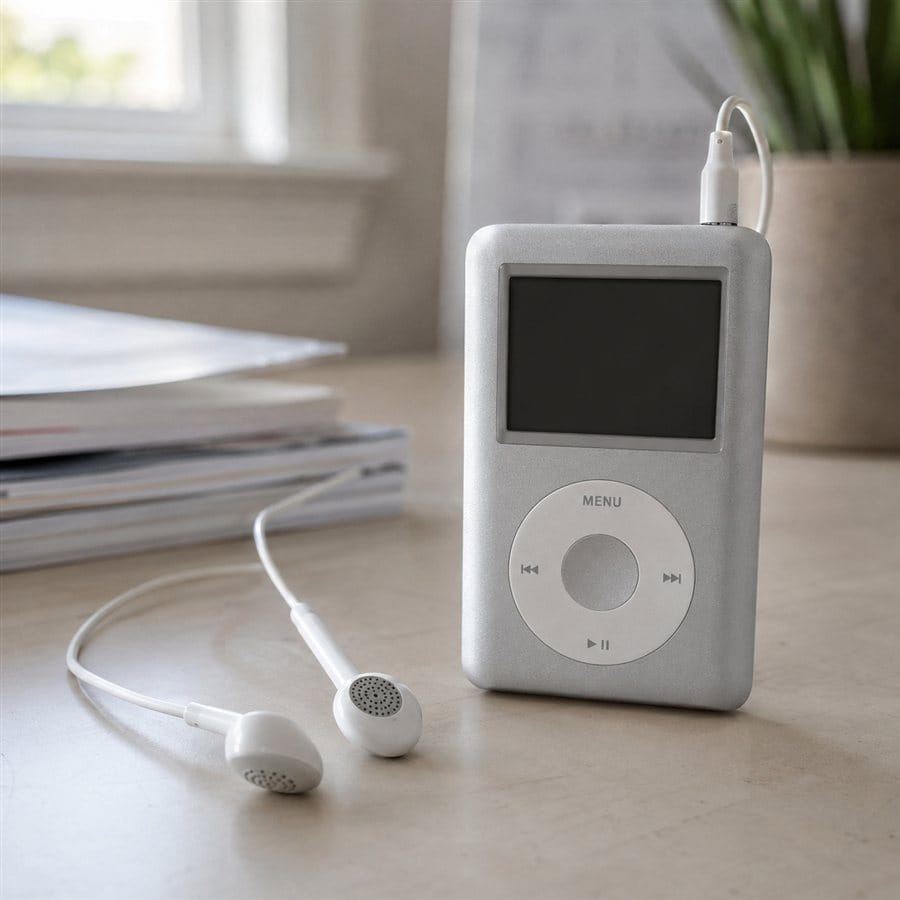
22. The MP3 Player
For a short but remarkable period, devices like the iPod changed how people listened to music. Instead of carrying a handful of albums, you could carry thousands of songs.
Then smartphones absorbed the MP3 player's entire purpose.
What replaced it: Smartphones and streaming music.
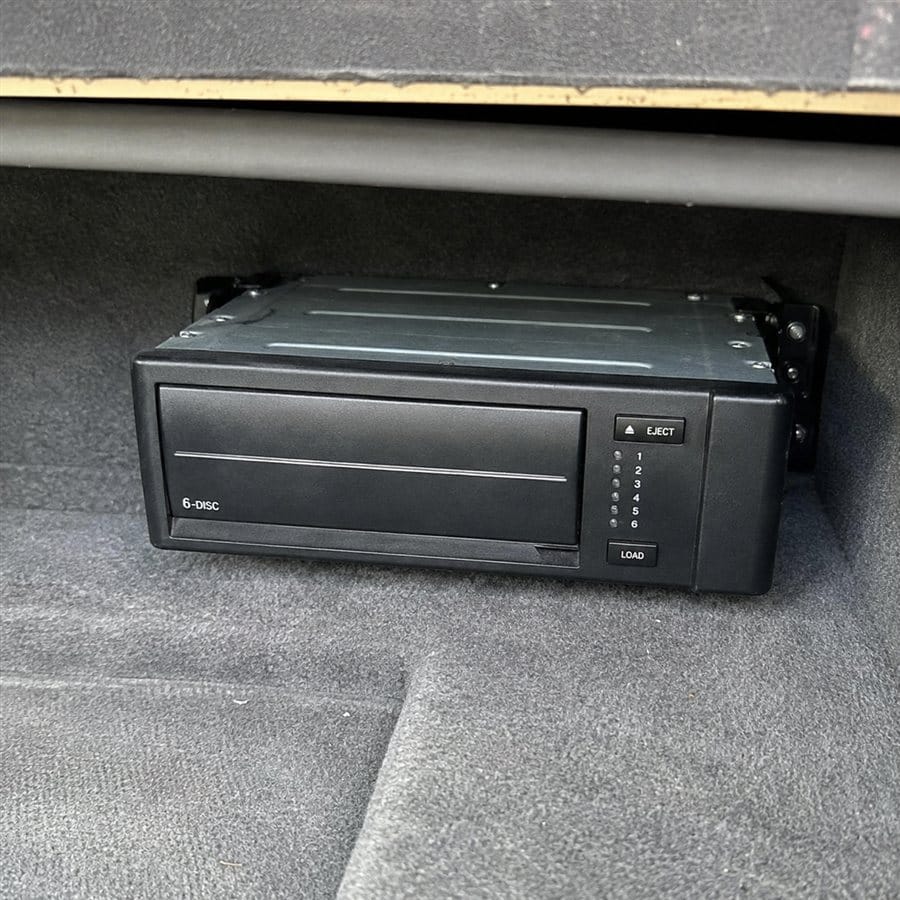
23. The Car CD Changer
A six-disc CD changer once represented premium automotive entertainment. Drivers carefully selected which albums deserved one of those precious slots before a road trip.
Today, millions of songs are available without inserting anything at all.
What replaced it: Bluetooth, smartphones, satellite radio, and streaming music.
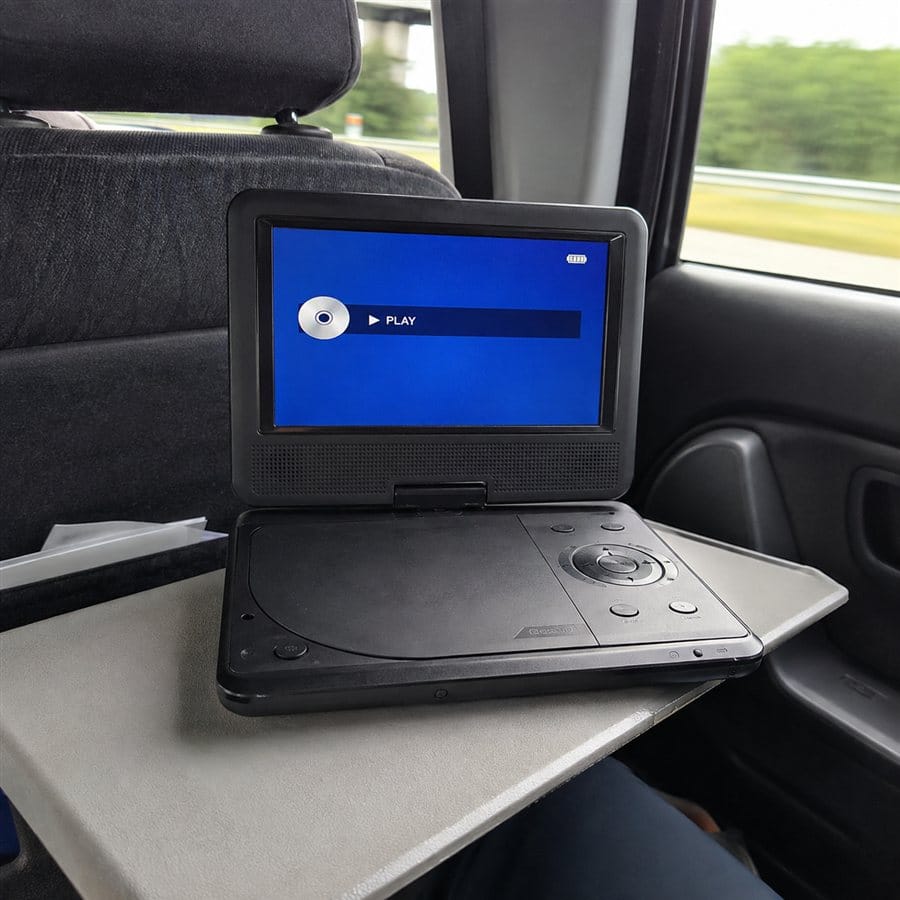
24. The Portable DVD Player
Parents once considered these folding-screen machines essential road-trip equipment. A few DVDs and a portable player could keep children entertained for hours in the back seat.
Tablets made the entire category disappear surprisingly quickly.
What replaced it: Tablets and smartphones.
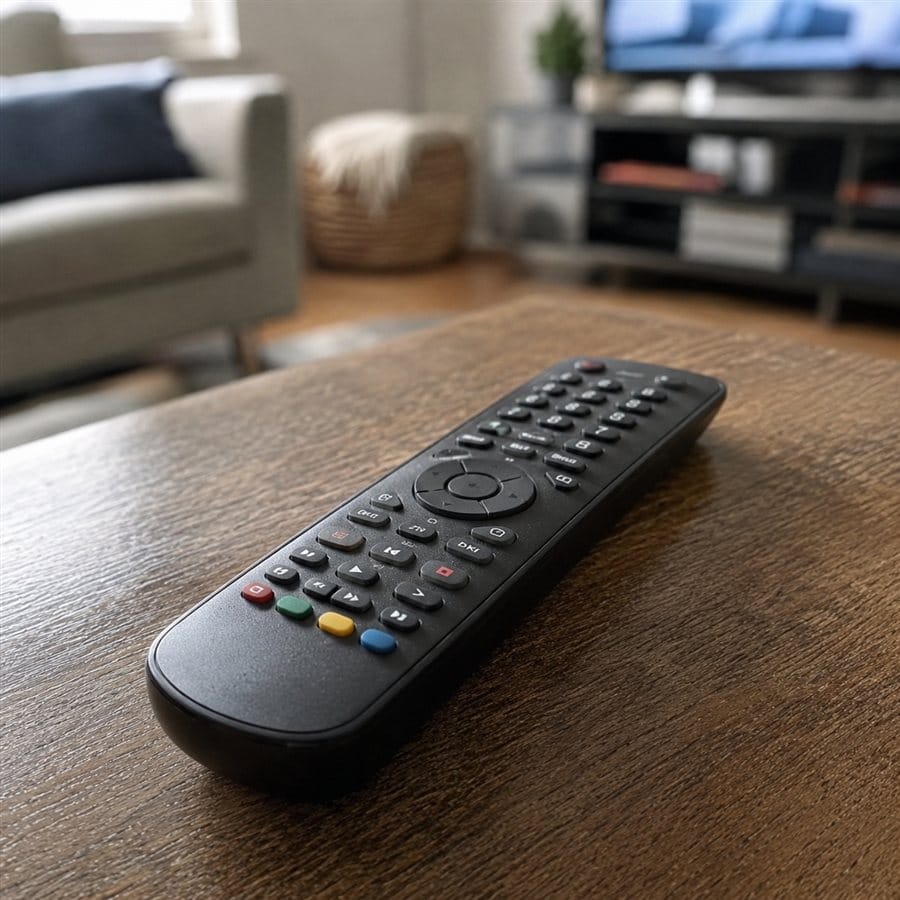
25. The Universal Remote
At one point, the average entertainment center required an absurd collection of remotes: television, cable box, VCR, DVD player, stereo receiver, and more.
The universal remote promised to control everything. Ironically, it wasn't a better remote that ultimately solved the problem. We simply started needing fewer separate devices.
What replaced it: Smart TVs, streaming devices, HDMI-CEC, voice assistants, and smartphone apps.
The Gadget That Replaced Almost Everything
Look back through the list and one device appears again and again: the smartphone.
A modern phone can function as a camera, camcorder, GPS, music player, alarm clock, telephone, calculator, flashlight, scanner, calendar, address book, encyclopedia, television, radio, voice recorder, and much more.
Twenty-five years ago, performing all those jobs might have required an entire cabinet full of electronics. Today, most of them fit into a device sitting in your pocket and that raises an interesting question.
Which supposedly indispensable gadget sitting in our homes today will be the next one to enter the technology graveyard?
Recommended
What Would Your Wizarding Career Be?
Answer 25 personality questions and discover whether you're destined to be an Auror, Healer, Professor, Curse-Breaker, Wandmaker or another wizarding professional.
10 of the Most Recognizable Careers in the Harry Potter Wizarding World
From Aurors and Healers to Hogwarts professors and Quidditch players, explore 10 of the most recognizable jobs in the Harry Potter Wizarding World.
Exosquad at 33: The ’90s Cartoon That Treated Space War Like It Mattered
Thirty-three years after its premiere, Exosquad remains a remarkably ambitious animated war epic built on serialized storytelling, political consequence and unforgettable E-frames.