The Biggest Tech Launches of the 2000s, Year by Year
From the PS2 and iPod to the iPhone, Facebook and Bitcoin, explore the biggest tech launches of the 2000s, year by year.
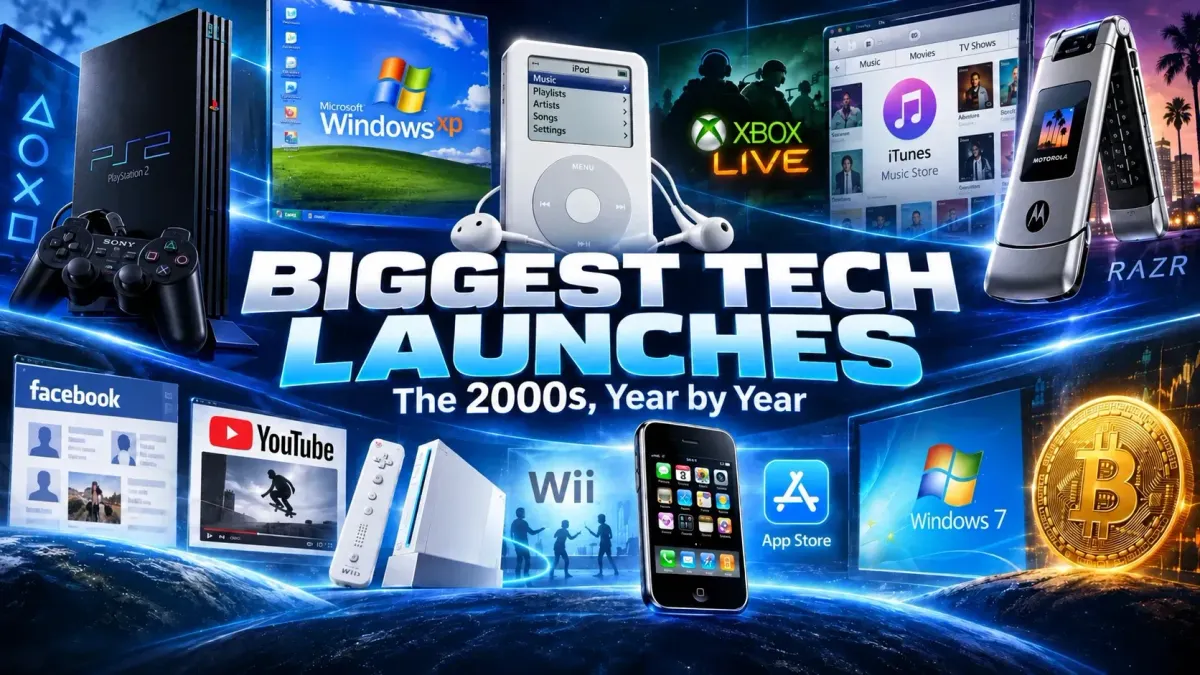
The 2000s began with dial-up internet, flip phones, and bulky desktop computers, but ended with much of the modern digital world already taking shape. Over those ten years, people moved from buying music on CDs to downloading individual songs, from basic cell phones to touchscreen smartphones, and from visiting websites to spending a growing part of their lives on social networks.
Some of the decade’s defining launches were immediate commercial successes; others attracted relatively small audiences before their influence became clear. Looking at sales, early adoption, cultural impact, and the changes that followed, these are our picks for the biggest technology launches of each year from 2000 through 2009. In a few years, two launches deserve a place because they tell different parts of the story.
2000: PlayStation 2
Sony entered the new millennium with a console that would become one of the most successful consumer electronics products ever made. The PlayStation 2 launched in Japan in March 2000 and reached North America that October, offering a major graphical upgrade over the original PlayStation and a feature that helped it appeal well beyond the usual gaming audience: DVD playback.
At the time, DVDs were replacing VHS, and standalone players could still be expensive. The PS2 gave buyers a new game console and a DVD player in one machine, making it attractive to households that might not otherwise have been shopping for another gaming system.
Over the following years, titles such as Grand Theft Auto III, Gran Turismo 3, Metal Gear Solid 2, Final Fantasy X, Kingdom Hearts, and God of War helped make the PS2 the dominant console of its generation. Sony says more than 160 million units were ultimately sold worldwide, giving the decade an opening launch whose commercial success would be difficult to match.
2001: Windows XP and the Apple iPod
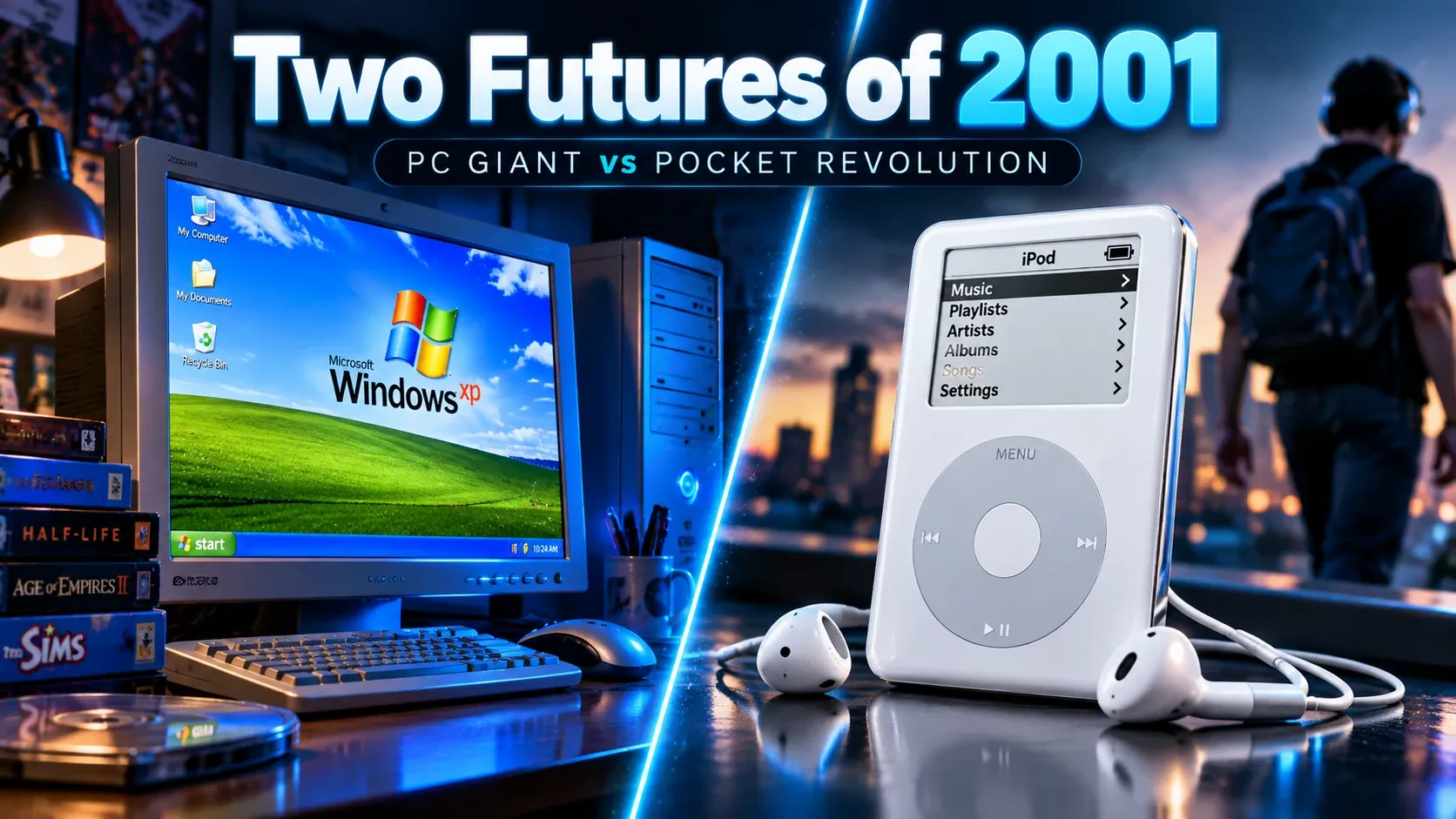
The two defining launches of 2001 represented different stages of the technology world. Windows XP served the enormous audience already using personal computers, while the iPod suggested how digital technology could become a more personal, portable part of everyday life.
Windows XP
Windows XP launched worldwide in October 2001, bringing Microsoft’s consumer and business Windows lines together in a more approachable package. Its green hill wallpaper, redesigned Start menu, and colorful interface became familiar sights at a time when the home PC was becoming essential for work, school, communication, and entertainment.
The response was substantial: Microsoft reported selling more than 17 million Windows XP licenses in a little over two months. Its influence lasted much longer than that initial rush. XP became deeply embedded in homes, businesses, schools, and government systems, and Microsoft spent years encouraging some of those users to move on to newer versions.
Apple iPod
Apple announced the original iPod on October 23, 2001, two days before Windows XP’s launch. The white music player had a mechanical scroll wheel and 5GB of storage; it went on sale on November 10 for $399. Its capacity of roughly 1,000 songs offered an alternative to carrying a stack of CDs.
The iPod’s importance emerged as the product and its audience grew. It changed how people carried music and, together with Apple’s later music store, helped reshape how they bought it. The device also played a central role in Apple’s expansion from computers into consumer electronics. Windows XP was the larger launch at the time, but the iPod offered a glimpse of the portable digital world that was coming.
2002: Xbox Live
Online gaming existed before Xbox Live, but Microsoft’s service helped make it a more consistent part of the console experience. Launched in the United States and Canada on November 15, 2002 for the original Xbox, it brought player identities, friends lists, matchmaking, downloadable content, and voice communication into a unified system. Players could carry a recognizable identity from one game to another rather than treating every title as a separate online destination.
That continuity became increasingly important as console multiplayer grew. Games such as MechAssault introduced players to the service, while Halo 2, released two years later, showed how compelling a connected console community could be. Playing with friends became something people expected their console to support as part of its everyday use.
Xbox Live helped normalize the persistent accounts, social features, and subscription-based multiplayer services that later became familiar across the gaming industry.
2003: iTunes Music Store
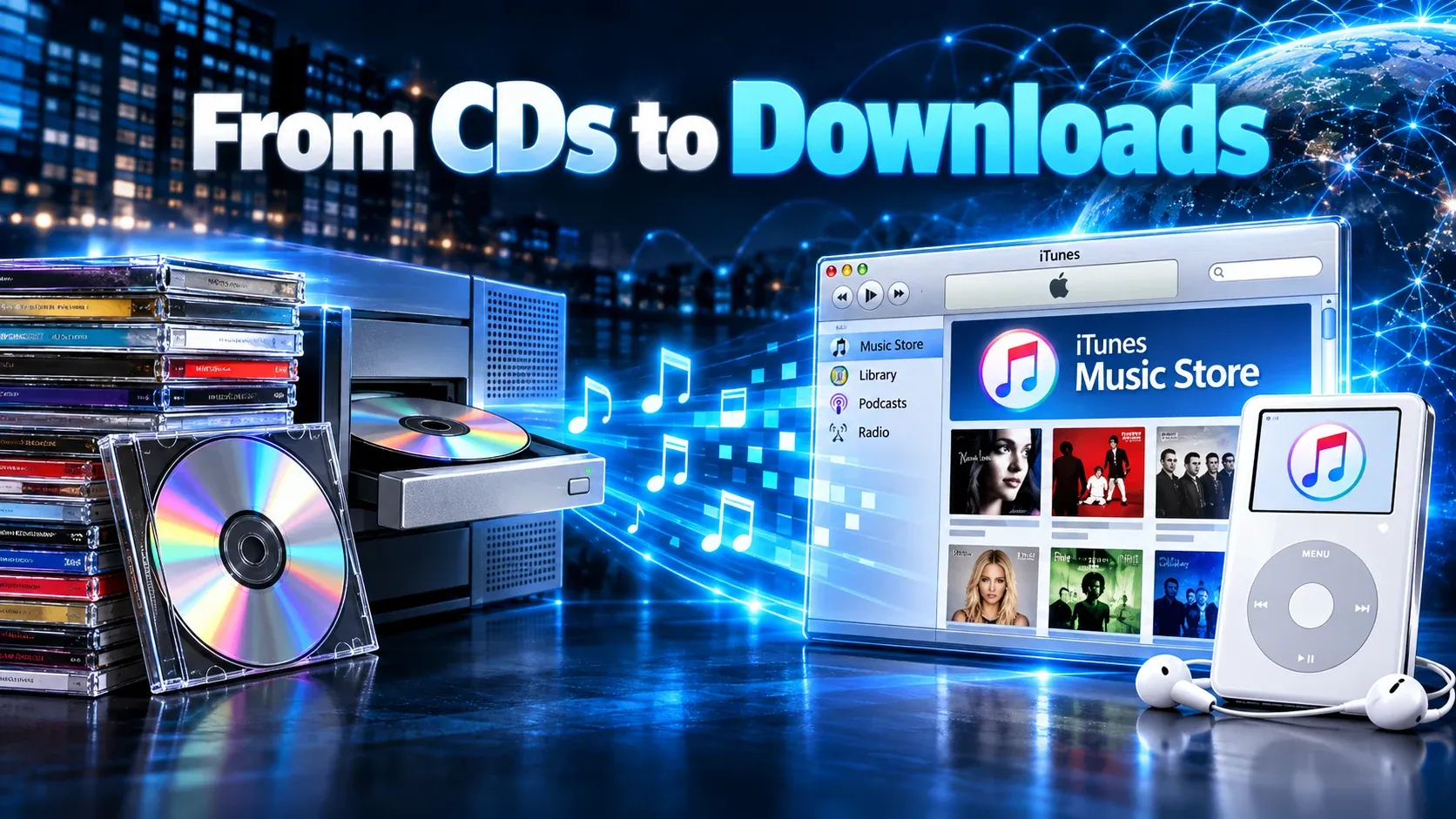
By 2003, the demand for digital music was obvious, but buying it legally could still be awkward. File-sharing services such as Napster had shown how much people wanted access to individual tracks, even as record labels fought widespread piracy. Apple’s iTunes Music Store offered a straightforward way to turn that demand into purchases.
The store launched in April 2003 with individual songs generally priced at 99 cents. Consumers could buy the tracks they wanted, download them immediately, and transfer them to an iPod without purchasing an entire CD. That combination of convenience, clear pricing, and integration with a popular music player gave legal downloads a much stronger proposition.
Apple announced more than one million song purchases during the store’s first week, followed by more than five million within eight weeks and over 25 million by December. Those numbers showed a market for paid music downloads. Streaming would eventually overtake paid downloads, but iTunes provided an important bridge between the CD era and the way music is consumed today.
2004: Motorola RAZR V3 and Facebook
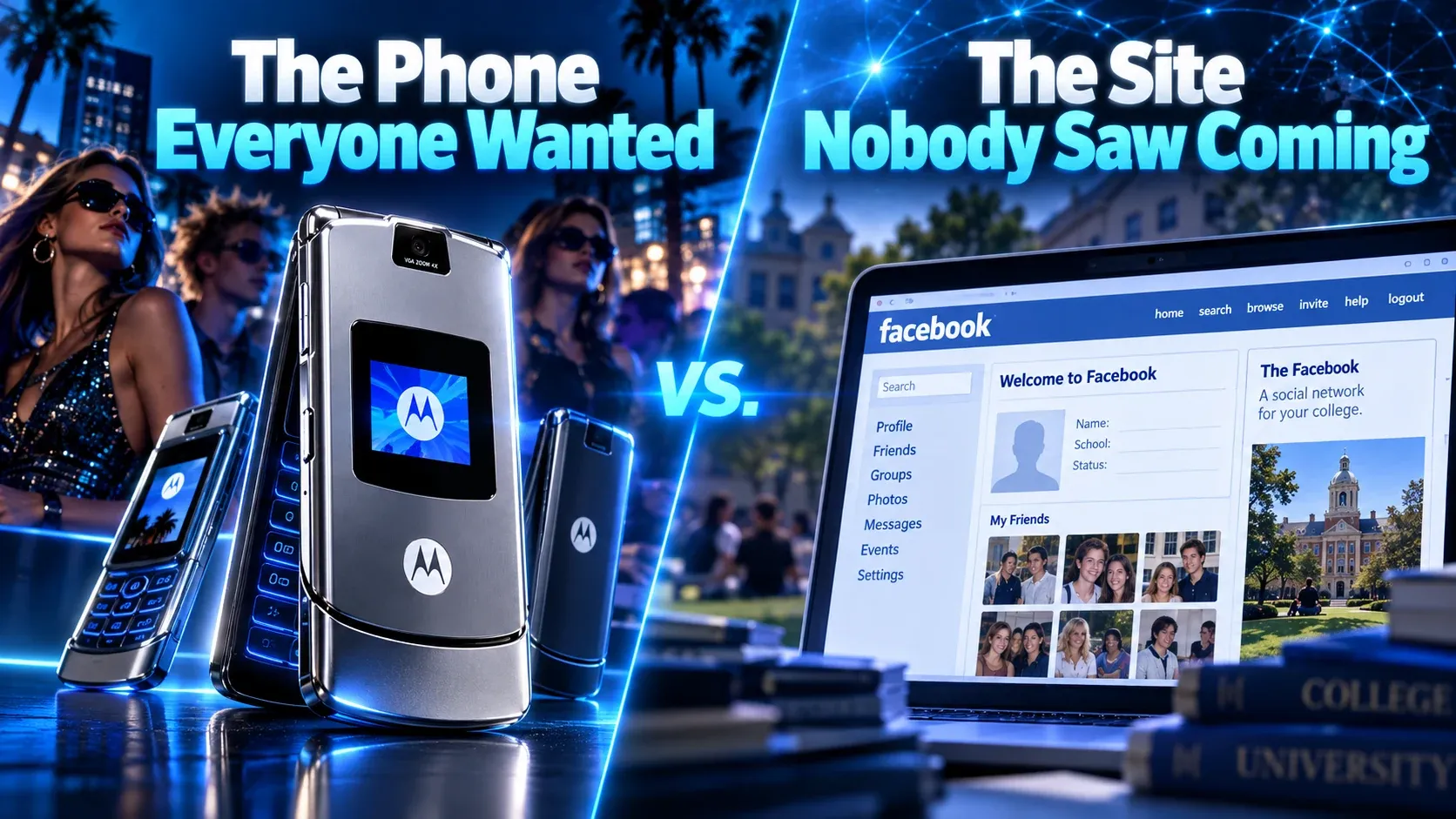
The technology changes of 2004 can be seen in two very different launches: a strikingly thin flip phone and a social-networking website built for college students. The Motorola RAZR V3 captured the consumer tastes of the moment, while Facebook began developing habits that would outlast the phones people used to access it.
Motorola RAZR V3
Before smartphones settled into a familiar touchscreen shape, a cell phone’s design could be a major fashion statement. The RAZR V3 stood out with its thin aluminum body, flat keypad, color screens, and camera, giving it a distinctive appearance beside the chunkier devices around it.
Its original price placed it in premium territory, but falling prices and strong carrier promotion eventually brought it to a much wider audience. Motorola announced shipment of its 50 millionth RAZR V3 in July 2006, and the design became one of the decade’s most recognizable. For many buyers, choosing a RAZR was as much about its appearance and status as the calls it could make.
Facebook launched at Harvard in February 2004 and reached roughly one million monthly active users by the end of that year. That was an impressive start for a campus social network, although it gave little indication of the global platform Facebook would eventually become.
Its early appeal centered on connecting people within a recognizable community. As Facebook expanded, that idea grew into a much larger part of everyday communication and social life. The RAZR remains a vivid symbol of what people wanted to carry in 2004; Facebook’s significance lies in how it helped change what people did online in the years that followed.
2005: YouTube
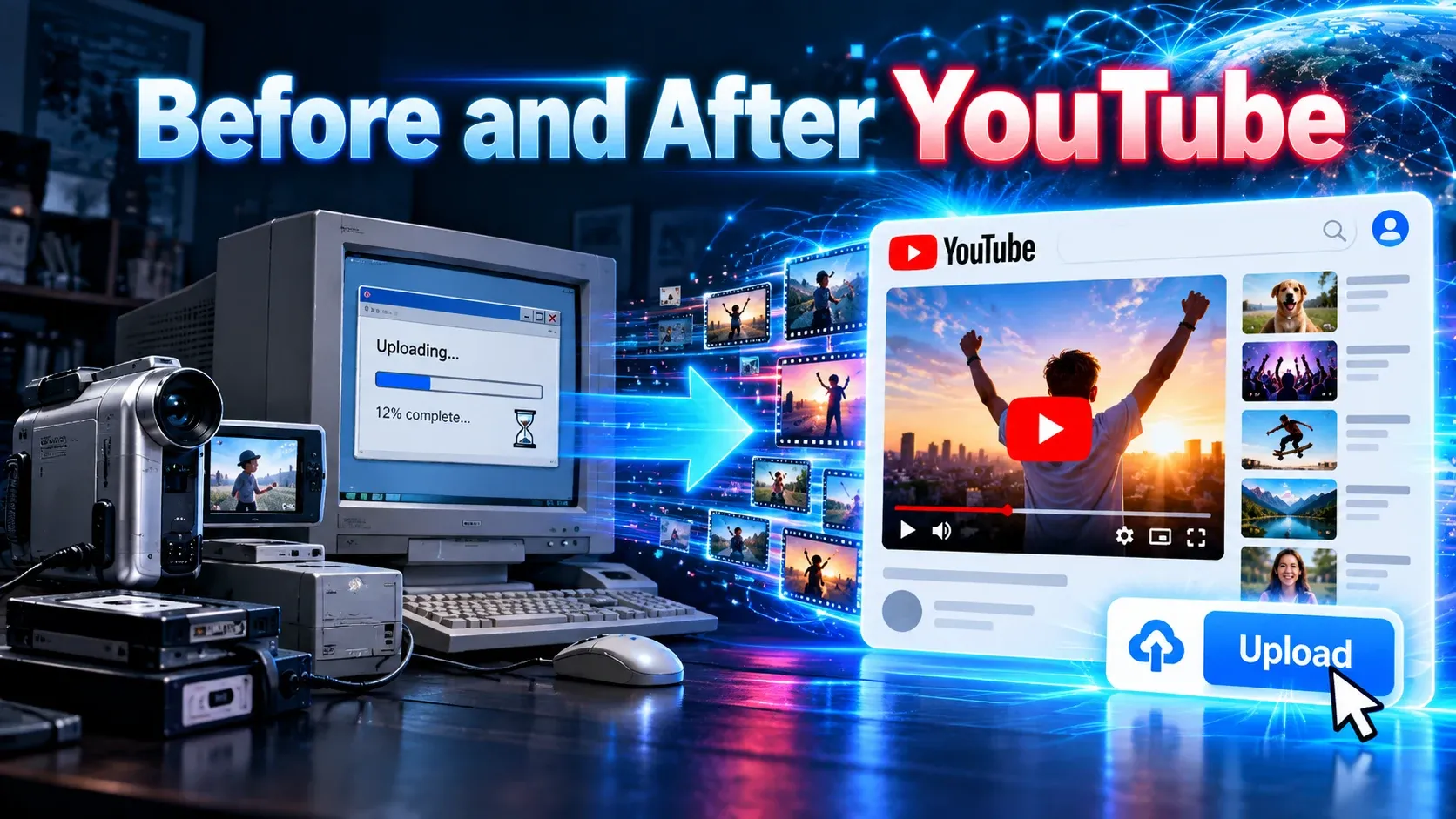
Sharing video online was once a demanding process. Large files, slower internet connections, inconsistent playback formats, and the cost of hosting made it difficult for ordinary users to publish something that other people could easily watch. YouTube helped remove much of that friction by giving people a common destination for uploading and viewing video.
The first video, Me at the zoo, was uploaded in April 2005. As the service expanded through the year, it showed that people would create and watch enormous amounts of online video when the process was simple enough.
Google announced an agreement to acquire YouTube for $1.65 billion in stock in October 2006. The platform went on to change entertainment, music, education, advertising, and journalism, while giving people a way to build an audience without first finding a television network or other traditional distributor. Its launch helped establish the conditions for the creator economy that followed.
2006: Nintendo Wii
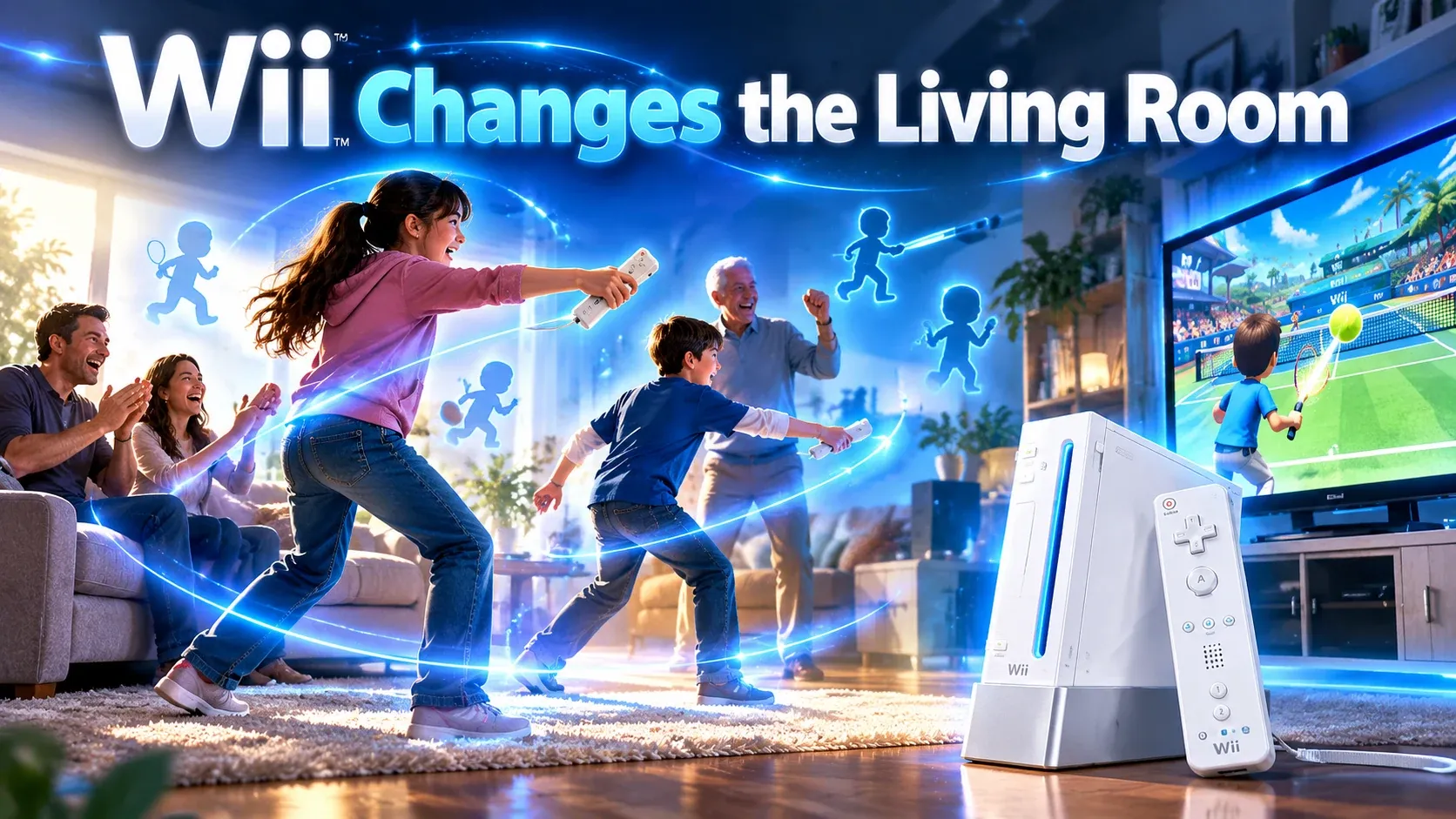
In 2006, much of the gaming industry was focused on better graphics, faster processors, and more realistic games. Nintendo took a different approach with the Wii, using motion controls and accessible games to reach people who might have little interest in a conventional controller. Swinging a remote like a tennis racket was an invitation that children, parents, and grandparents could understand almost immediately.
The Wii launched in North America in November 2006 and quickly became difficult to find. Rather than matching the PlayStation 3 and Xbox 360 on computing power, Nintendo made the way people interacted with games its main attraction. Wii Sports, included with the console in North America, demonstrated that approach especially well: people could grasp the basic idea within seconds and start playing together.
Nintendo reported that roughly 600,000 Wii consoles sold at retail in the United States, Canada and Latin America during the system’s first eight days, and demand remained intense well beyond launch. The Wii eventually sold more than 100 million units worldwide, showing that a new approach to interaction could expand gaming’s audience as effectively as a more powerful machine.
2007: Apple iPhone
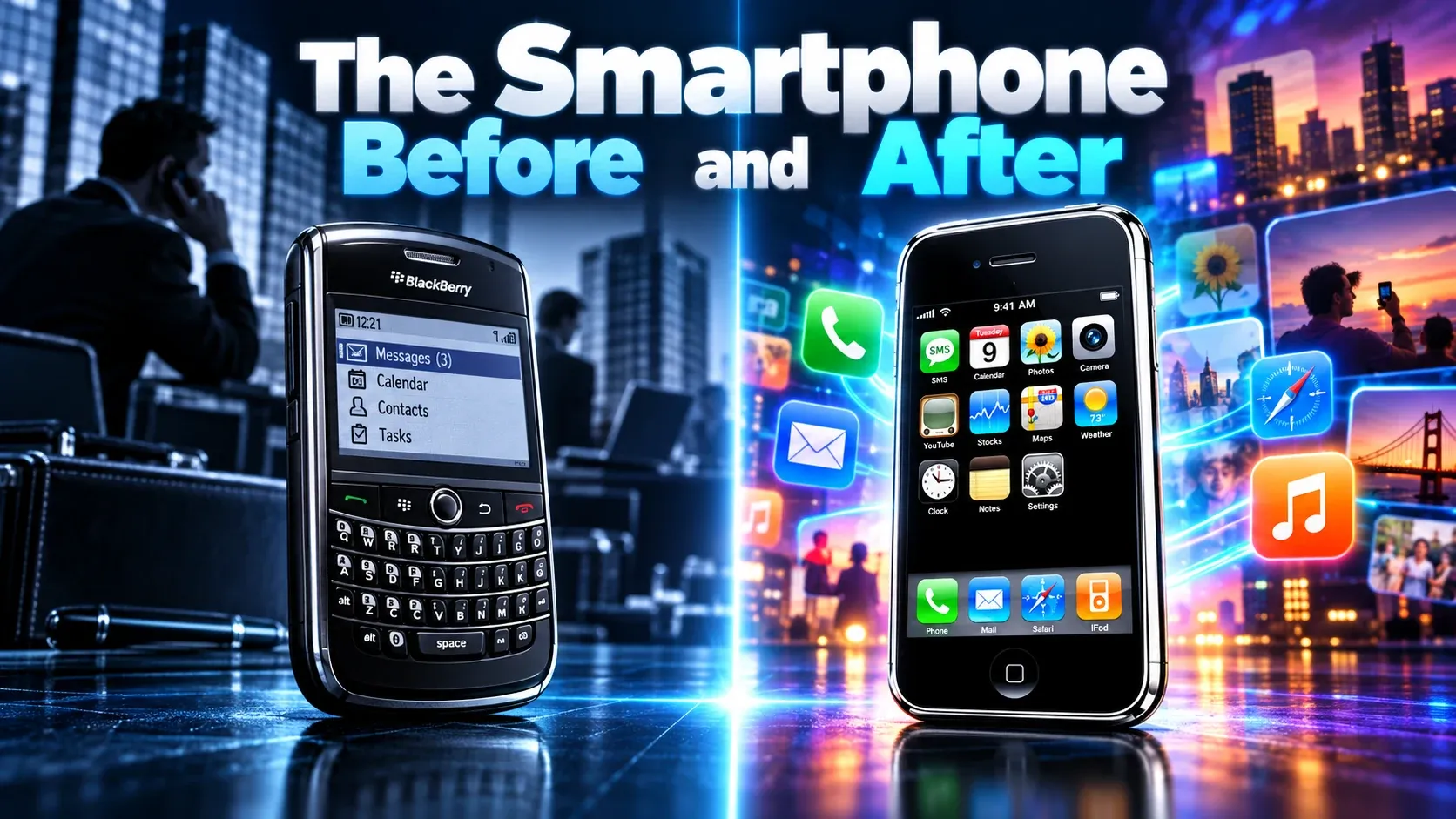
When the iPhone went on sale in the United States on June 29, 2007, smartphones were already an established category. BlackBerry was popular in business, Palm had developed sophisticated handheld devices, and Windows Mobile phones offered email, apps, and web access. Apple brought many of those ideas together around a large multitouch display that made using a phone feel substantially different.
The physical keyboard gave way to an interface people could control directly with their fingers. Browsing websites, scrolling through music, and watching video became part of a more coherent experience, with familiar gestures replacing many of the buttons and menus that had defined earlier devices.
The original iPhone still had significant limitations: there was no App Store, no 3G, and no copy and paste, while its camera was basic and its starting price was high. Even so, Apple sold its millionth iPhone just 74 days after launch. Within a few years, the touchscreen-centered design it popularized had become the model for much of the smartphone industry, bringing the idea of a computer in your pocket to a much wider audience.
2008: Apple App Store
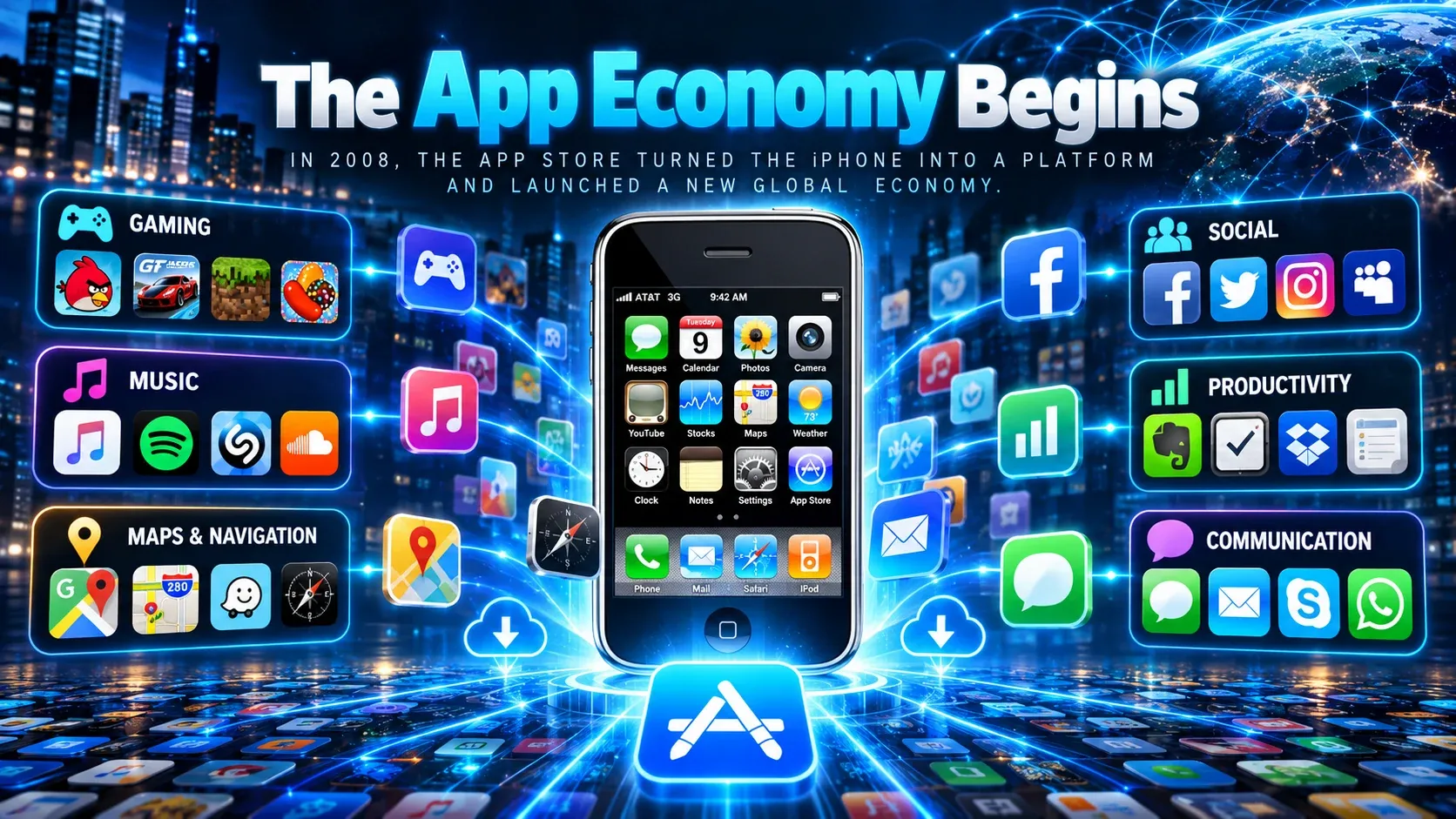
The iPhone’s hardware changed expectations for a smartphone, but the App Store expanded what people could do with one. Apple opened the store on July 10, 2008, providing a centralized place to browse, purchase, and install third-party applications. Users could add new capabilities to their phones, while developers gained a direct route to a growing customer base.
The store opened with 500 apps. By July 14, Apple reported more than 800 apps and over 10 million downloads during its first weekend. Games, photo editors, social networks, navigation tools, banking services, and productivity software made the phone useful in situations its original software could never have covered on its own.
Google’s Android platform also reached consumers in 2008 with the T-Mobile G1, beginning the smartphone rivalry that would shape the following decade. The App Store’s immediate success, however, made the opportunity for mobile software especially clear. A smartphone was becoming a platform that could keep gaining new uses long after someone bought it, and the mobile-app economy grew around that possibility.
2009: Windows 7 and Bitcoin
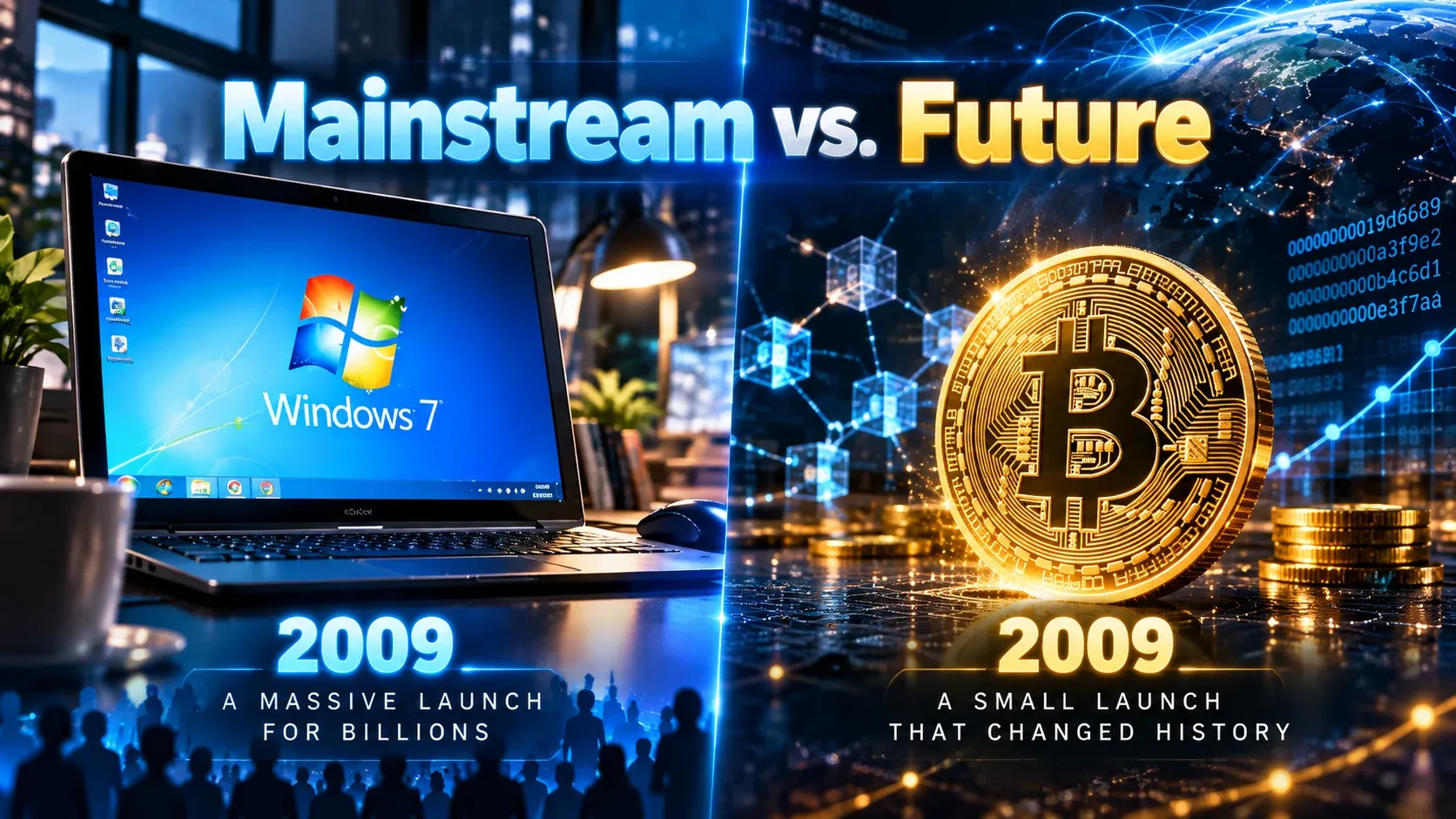
The closing year of the decade again produced two launches whose significance appeared on very different timescales. Windows 7 was a major consumer technology release from the outset, while Bitcoin began as a small experiment whose wider consequences would take years to emerge.
Windows 7
Microsoft entered 2009 needing to improve the experience and reputation of Windows. Vista had frustrated many users with compatibility problems, hardware demands, performance complaints, and intrusive security prompts. Windows 7 arrived in October with a more polished and generally better-received operating system, giving consumers and businesses a stronger reason to upgrade.
Microsoft reported selling more than 60 million Windows 7 licenses by December 31, 2009. The operating system remained familiar in homes and workplaces well into the following decade.
Bitcoin
Bitcoin’s beginnings were far quieter. The first block of its blockchain was created on January 3, 2009, launching an experiment in decentralized digital currency that could operate without a central bank or traditional payment intermediary. Its audience was initially a small group of cryptography and computing enthusiasts, with little mainstream attention and no established market resembling the cryptocurrency industry of today.
The ideas behind that experiment eventually helped create a substantial new industry and prompted debates about money, speculation, regulation, decentralization, and energy consumption. Windows 7 was the far larger launch for ordinary consumers in 2009, but Bitcoin earns its place alongside it because of the influence that became visible later.
A Decade That Built the Modern Digital World
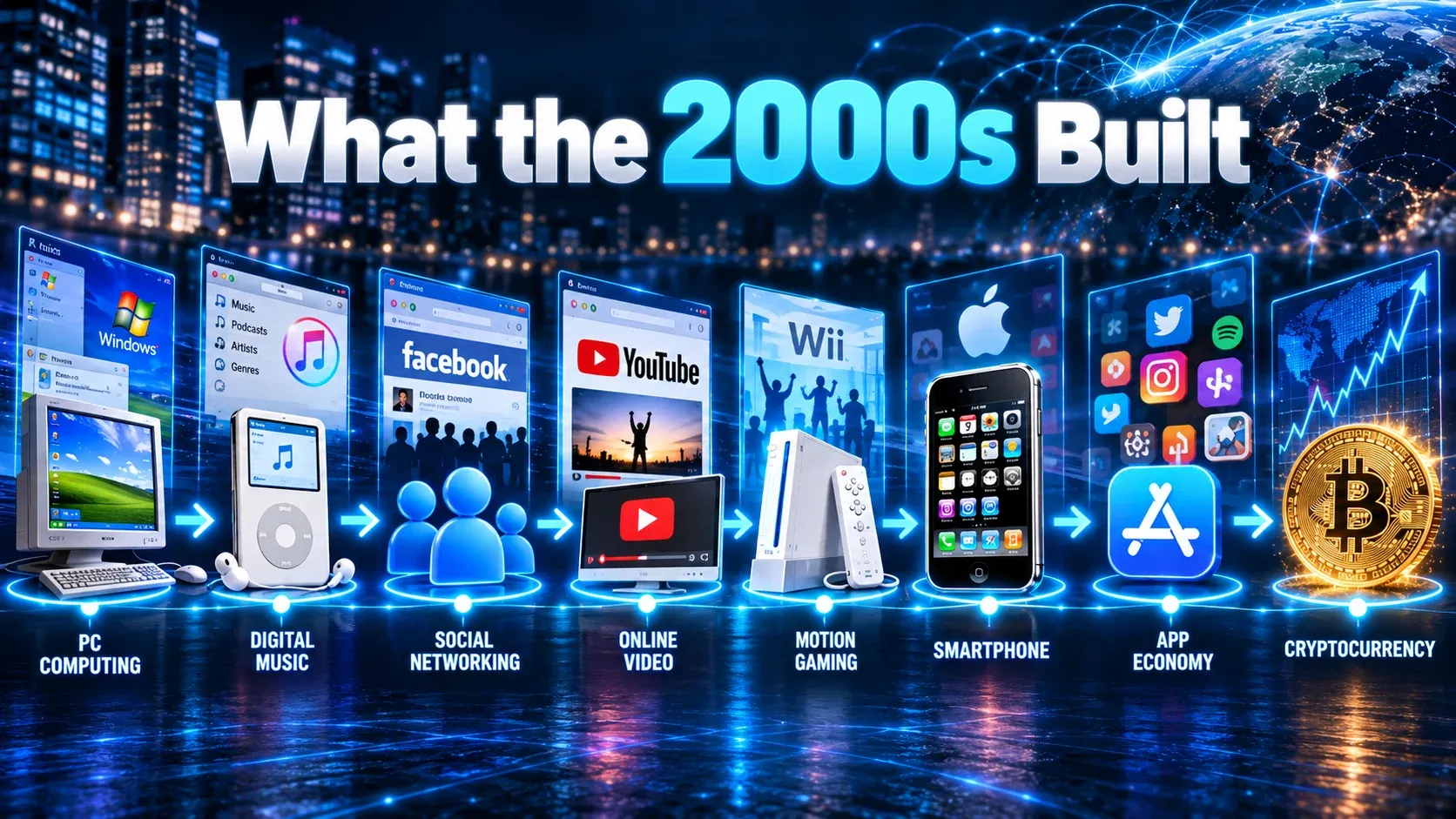
For many people, the decade’s changes arrived one routine at a time: carrying a music library in a pocket, playing online with friends, or uploading a video for others to watch. The launches mattered not only as new products, but because they changed what people expected technology to let them do.
Illustrations are conceptual recreations, not archival photographs or screenshots.
Recommended